THE ADVENTURE COLLECTIVE® · Independent discovery and booking for outdoor travel

A challenging full-day hike through Blanchisseuse Forest that ends at Paria Bay and Paria Waterfall. Expect 8 miles of coastal rainforest, steep sections, and dramatic sea cliffs—perfect for fit hikers who want a mix of beach, rock features, and forest.
A challenging full-day hike through Blanchisseuse Forest that ends at Paria Bay and Paria Waterfall. Expect 8 miles of coastal rainforest, steep sections, and dramatic sea cliffs—perfect for fit hikers who want a mix of beach, rock features, and forest.
The trail opens with the roar of surf and the smell of wet earth as hikers step off the coastal road into Blanchisseuse Forest. Sunlight slices through tall emergent trees while a narrow path threads toward Paria Bay; the forest and sea trade places in the view, and the air feels alive with birdsong.
Verified experiences and guided adventures in the surrounding area.
Operated by @losexploradorestt · Blanchisseuse, Trinidad
The trail opens with the roar of surf and the smell of wet earth as hikers step off the coastal road into Blanchisseuse Forest. Sunlight slices through tall emergent trees while a narrow path threads toward Paria Bay; the forest and sea trade places in the view, and the air feels alive with birdsong.
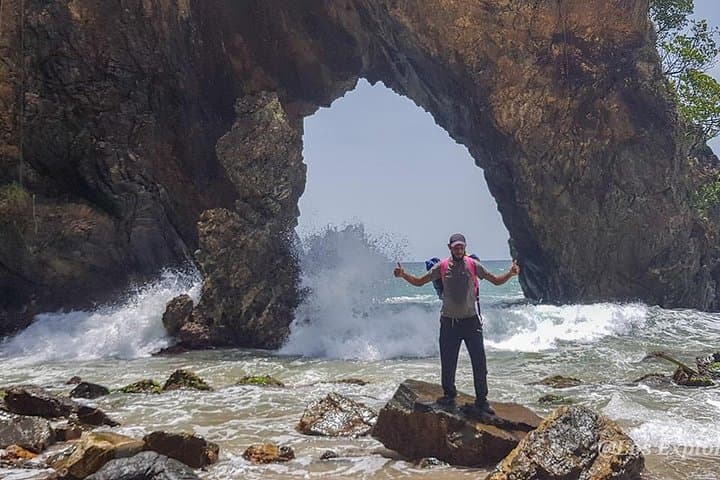
This route follows a longstanding coastal corridor used by Indigenous people and later by colonial fishermen; the cliffs and coves here are products of Trinidad’s uplifted northern range, where sandstone and volcanic outcrops erode into dramatic bays and narrow waterfalls. Cultural markers—rustic fishing huts and stone outcrops named by locals—dot the approach, and Turtle Head Rock and the Cathedral at Paria Bay are the hike’s signature features.
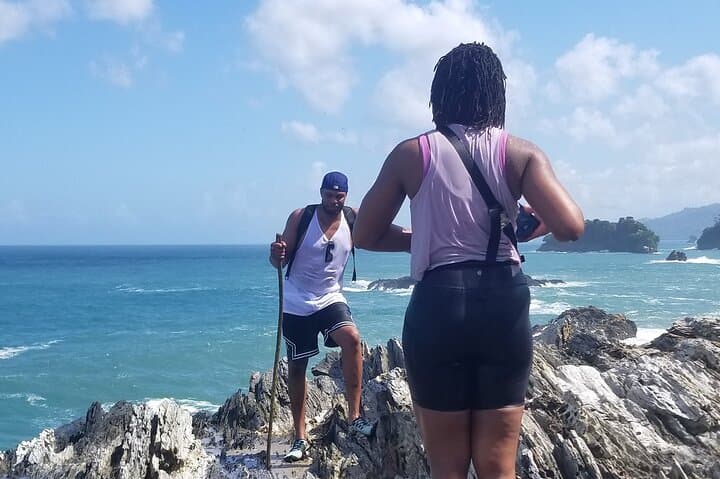
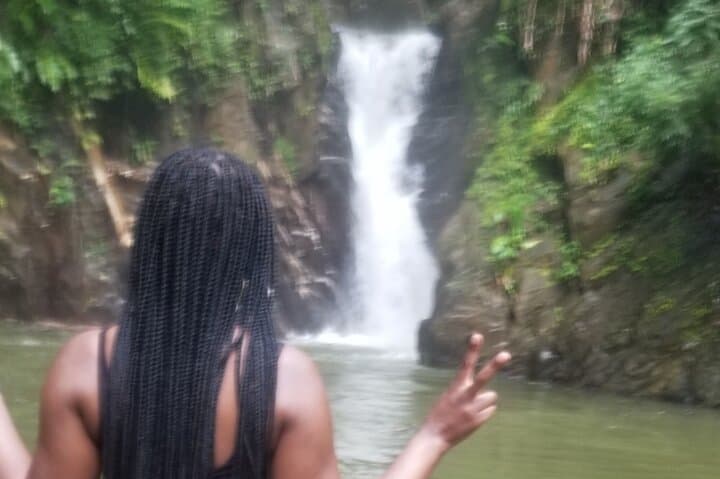
Expect a full-day effort: roughly 8 miles (13 km) through uneven rainforest track with short, steep sections and a cumulative ascent of about 400 m (1,300 ft). Terrain varies from packed dirt to muddy roots, with rock scrambling near shoreline viewpoints and a 5–10 m rock feature at Turtle Head Rock ideal for photos. Waterfall access requires care on slippery rock.
Practicalities: start early to avoid midday heat, wear grippy boots, bring 2–3 liters of water and a waterproof layer for sudden showers. This is a physically demanding but straightforward route—no technical climbing gear required. Respect local conservation rules: stay on trail, pack out waste, and give wildlife space. The trail rewards commitment with dramatic coastal views, sequestered beach coves, and a sense of being on the edge where rainforest meets ocean.
challenging.
8–9 hours.
Good to excellent cardiovascular fitness and steady hiking experience; comfortable with sustained uphill and uneven terrain
The route is about 8 miles (13 km) and takes roughly 8–9 hours, with short steep sections and uneven terrain—suitable for fit hikers.
Guides are commonly provided by local operators and enhance safety and local knowledge; check with providers for any permit or private access requirements.
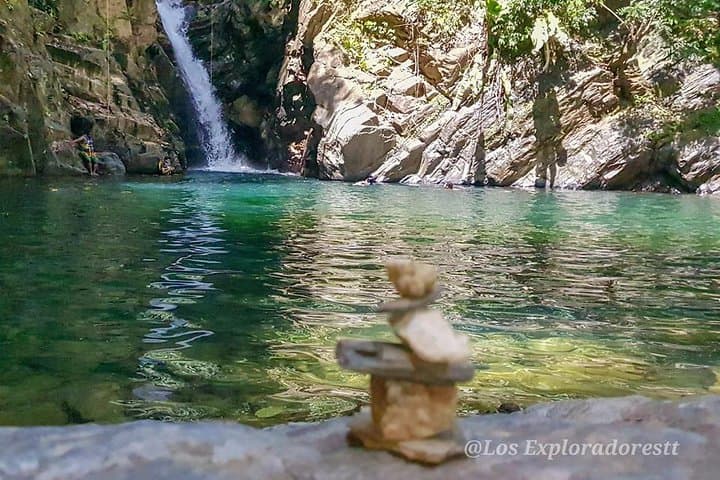
Pools at the base can be cold and may have slick rocks—exercise caution; avoid swimming after heavy rain when currents and sediment increase.
Bring binoculars and a camera with a zoom; mornings and late afternoons are best for spotting birds and monkeys.
The Paria Bay corridor was used by Indigenous communities and later by coastal fishermen; nautical charts and local names reflect colonial-era navigation and fishing traditions.
The coastal rainforest is fragile—stick to established paths, avoid trampling vegetation, and pack out all waste to protect seabird nesting areas and freshwater seeps.
@losexploradorestt operates guided outdoor trips and adventures with an emphasis on safety, stewardship, and memorable experiences.
The trail opens with the roar of surf and the smell of wet earth as hikers step off the coastal road into Blanchisseuse Forest. Sunlight slices through tall emergent trees while a narrow path threads toward Paria Bay; the forest and sea trade places in the view, and the air feels alive with birdsong.
The trail opens with the roar of surf and the smell of wet earth as hikers step off the coastal road into Blanchisseuse Forest. Sunlight slices through tall emergent trees while a narrow path threads toward Paria Bay; the forest and sea trade places in the view, and the air feels alive with birdsong.
This route follows a longstanding coastal corridor used by Indigenous people and later by colonial fishermen; the cliffs and coves here are products of Trinidad’s uplifted northern range, where sandstone and volcanic outcrops erode into dramatic bays and narrow waterfalls. Cultural markers—rustic fishing huts and stone outcrops named by locals—dot the approach, and Turtle Head Rock and the Cathedral at Paria Bay are the hike’s signature features.
Expect a full-day effort: roughly 8 miles (13 km) through uneven rainforest track with short, steep sections and a cumulative ascent of about 400 m (1,300 ft). Terrain varies from packed dirt to muddy roots, with rock scrambling near shoreline viewpoints and a 5–10 m rock feature at Turtle Head Rock ideal for photos. Waterfall access requires care on slippery rock.
Practicalities: start early to avoid midday heat, wear grippy boots, bring 2–3 liters of water and a waterproof layer for sudden showers. This is a physically demanding but straightforward route—no technical climbing gear required. Respect local conservation rules: stay on trail, pack out waste, and give wildlife space. The trail rewards commitment with dramatic coastal views, sequestered beach coves, and a sense of being on the edge where rainforest meets ocean.