THE ADVENTURE COLLECTIVE® · Independent discovery and booking for outdoor travel

Board a dayboat in Corfu and cross the Ionian to Paxos and Parga: limestone cliffs, clear swim stops, and a Venetian harbor town. This 10‑hour coastal cruise blends swimming, short walks, and scenic cruising—ideal for daytrippers who want sun, salt, and history.
Board a dayboat in Corfu and cross the Ionian to Paxos and Parga: limestone cliffs, clear swim stops, and a Venetian harbor town. This 10‑hour coastal cruise blends swimming, short walks, and scenic cruising—ideal for daytrippers who want sun, salt, and history.
You step onto the dayboat with Corfu’s quay receding behind you—whitewashed houses, the old fortress aiming skyward—and the Ionian opens up ahead. The morning sea is a hard, clean blue; gulls cut across the wake as the captain sets a course for Paxos and the mainland town of Parga. Salt and lemon on the air, the deck hums with conversation and the occasional clink of camera gear.
Verified experiences and guided adventures in the surrounding area.
You step onto the dayboat with Corfu’s quay receding behind you—whitewashed houses, the old fortress aiming skyward—and the Ionian opens up ahead. The morning sea is a hard, clean blue; gulls cut across the wake as the captain sets a course for Paxos and the mainland town of Parga. Salt and lemon on the air, the deck hums with conversation and the occasional clink of camera gear.
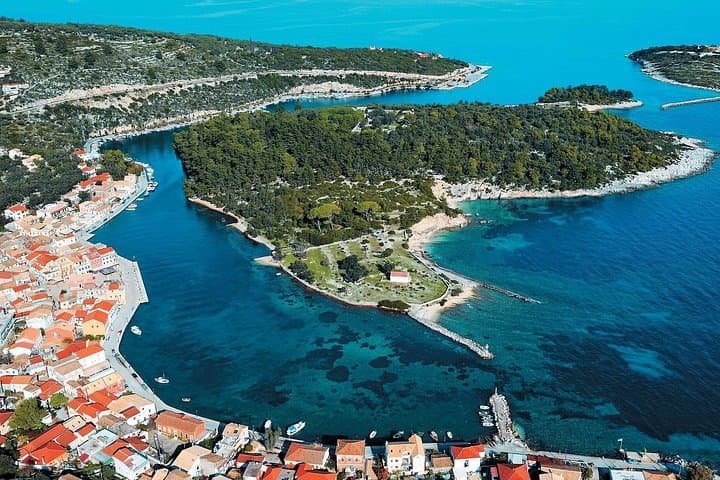
Paxos is limestone and scrub, its cliffs cut by small caves and dotted with olive groves that remember Venetian rule and seafaring trade. Parga sits on a sheltered cove with a compact harbor, color-streaked buildings, and a 16th-century Venetian castle that watches the coastline. Geologically the route crosses shallow continental-shelf waters with sheltered bays that make for warm, clear swimming—Antipaxos’s sand bays are famous for a reason.
Practical guidance: the full tour runs about 10 hours and includes multiple anchor stops for swimming, short walks, and sightseeing. Expect several boardings via small ladders; bring reef-safe sunscreen, a reusable water bottle, and waterproof footwear for pebble beaches. If you plan to explore Parga’s waterfront or the castle, allow 45–90 minutes ashore.
Timing matters—mornings are calmer for crossing; afternoons can build wind that affects small-boat comfort. Cash is useful on smaller islands where card machines can be patchy. Respect marine life and follow crew instructions during snorkeling and swimming stops: currents can shift quickly near caves and narrow channels.
moderate.
10 hours.
Moderate fitness—able to stand and move on a boat for several hours, board small ladders, and walk short uneven stretches ashore.
Most departures are from Corfu Town’s main harbor near the old fortress; check your voucher for the exact quay and boarding time.
Yes—the itinerary typically includes multiple swim stops; snorkeling equipment may be available to rent but bring your own mask for the best fit.
Some operators include a light lunch or snacks, but offerings vary—confirm before booking and consider bringing extra snacks for children or picky eaters.
Generally yes if participants can board via a ladder and tolerate a full day on the water; inform the operator of mobility needs ahead of time.
Parga and Paxos show clear Venetian and Ottoman period influences—harbors, fortifications, and old trade routes shaped local architecture and agriculture.
The Ionian is home to sensitive marine habitats; opt for operators that follow no‑anchor policies in seagrass beds and encourage no single‑use plastics.
You step onto the dayboat with Corfu’s quay receding behind you—whitewashed houses, the old fortress aiming skyward—and the Ionian opens up ahead. The morning sea is a hard, clean blue; gulls cut across the wake as the captain sets a course for Paxos and the mainland town of Parga. Salt and lemon on the air, the deck hums with conversation and the occasional clink of camera gear.
You step onto the dayboat with Corfu’s quay receding behind you—whitewashed houses, the old fortress aiming skyward—and the Ionian opens up ahead. The morning sea is a hard, clean blue; gulls cut across the wake as the captain sets a course for Paxos and the mainland town of Parga. Salt and lemon on the air, the deck hums with conversation and the occasional clink of camera gear.
Paxos is limestone and scrub, its cliffs cut by small caves and dotted with olive groves that remember Venetian rule and seafaring trade. Parga sits on a sheltered cove with a compact harbor, color-streaked buildings, and a 16th-century Venetian castle that watches the coastline. Geologically the route crosses shallow continental-shelf waters with sheltered bays that make for warm, clear swimming—Antipaxos’s sand bays are famous for a reason.
Practical guidance: the full tour runs about 10 hours and includes multiple anchor stops for swimming, short walks, and sightseeing. Expect several boardings via small ladders; bring reef-safe sunscreen, a reusable water bottle, and waterproof footwear for pebble beaches. If you plan to explore Parga’s waterfront or the castle, allow 45–90 minutes ashore.
Timing matters—mornings are calmer for crossing; afternoons can build wind that affects small-boat comfort. Cash is useful on smaller islands where card machines can be patchy. Respect marine life and follow crew instructions during snorkeling and swimming stops: currents can shift quickly near caves and narrow channels.