THE ADVENTURE COLLECTIVE® · Independent discovery and booking for outdoor travel

Soar above Punta Cana’s turquoise shallows on an 8–10 minute parasailing flight that delivers panoramic coastline views and a quick hit of adrenaline. Read on for what to expect, safety notes, and packing tips before you go.
Soar above Punta Cana’s turquoise shallows on an 8–10 minute parasailing flight that delivers panoramic coastline views and a quick hit of adrenaline. Read on for what to expect, safety notes, and packing tips before you go.
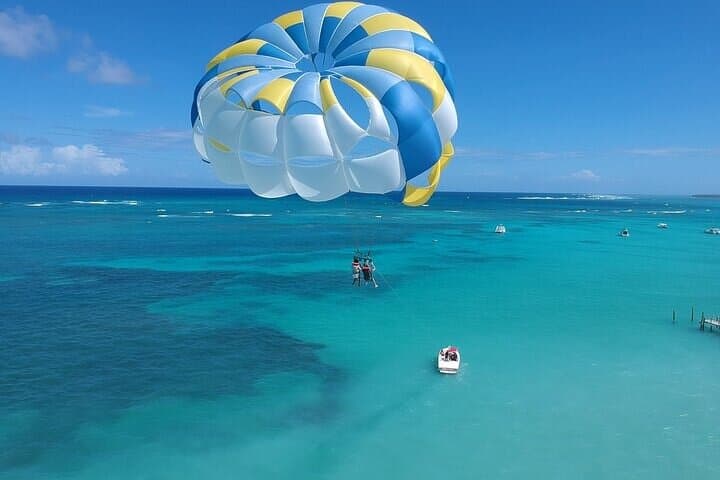
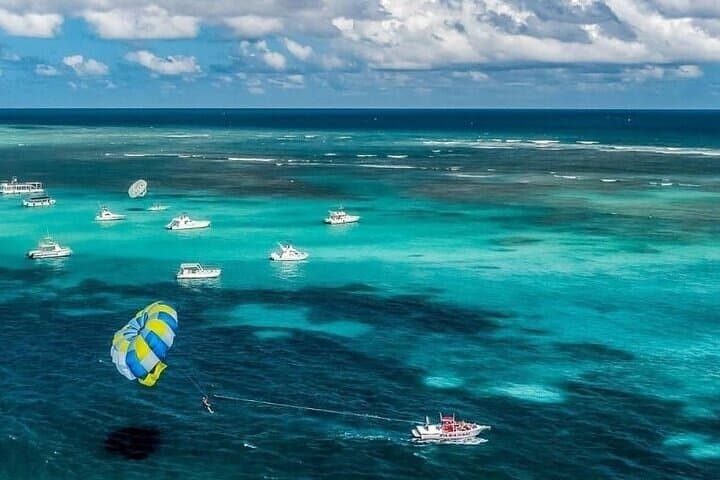
The boat eases away from the shore, engines ticking like a nervous heartbeat, and the harness clicks into place. Minutes later you’re rising—carried by a kite and a steady offshore breeze—while the Caribbean stretches below in bands of turquoise and cobalt. From up here the shoreline simplifies to color and curve: white sand, reef shoulders, and mangrove fingers reaching for the sea.
Verified experiences and guided adventures in the surrounding area.
Operated by SeaPro Divers · Punta Cana, La Altagracia
The boat eases away from the shore, engines ticking like a nervous heartbeat, and the harness clicks into place. Minutes later you’re rising—carried by a kite and a steady offshore breeze—while the Caribbean stretches below in bands of turquoise and cobalt. From up here the shoreline simplifies to color and curve: white sand, reef shoulders, and mangrove fingers reaching for the sea.
Punta Cana sits on the eastern tip of Hispaniola, a coastline shaped by coral growth and longshore currents that have built broad beaches used by fishermen and resorts for generations. Parasailing operators here evolved with tourism in the late 20th century; the activity offers a brief, high vantage on coastal ecology and human development in one sweep.
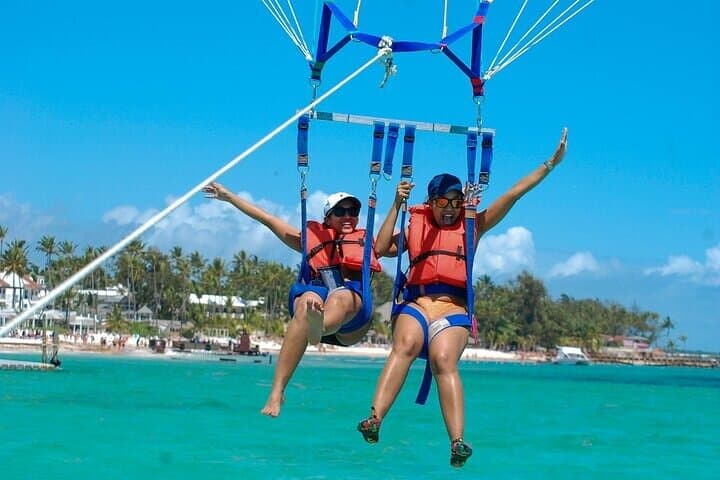
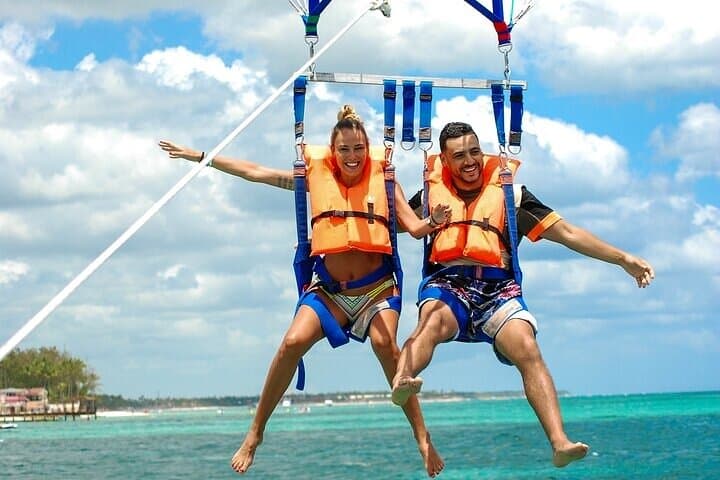
Expect a concise sequence: safety briefing, life jacket and harness, a short tow behind a motorboat, and an 8–10 minute flight window—long enough for photos and to watch turtles or rays trace the shallows. The launch is straightforward: you lift from the stern as the boat accelerates, and you land feet-first or are gently lowered back onto the platform.
Practicalities: wear reef-safe sunscreen, a swim suit under quick-dry layers, and shoes that slip on and off. Cameras on secure straps work best; many operators allow a water dip on return. Pregnant travelers and those with recent surgeries should avoid parasailing; operators require age and weight info during booking. Timing your flight for mid-morning or late afternoon reduces glare and often coincides with calmer seas.
This is a short, high-impact sea adventure—minimal skill required, maximum perspective gained. It’s ideal as a standalone adrenaline burst or paired with snorkeling to compare the view above with the world below.
easy.
30–60 minutes (including briefing and transport).
Suitable for people in average health; requires ability to board a small boat and sit upright in a harness.
Typical airtime is about 8–10 minutes; total activity including briefing and boat ride is usually 30–60 minutes.
Yes—operators provide a safety briefing and staff handle takeoff and landing; it’s suitable for first-timers unless medical restrictions apply.
Yes, but secure devices with straps or tethers; many opt for a small action camera rather than a free phone to prevent loss.
Most flights are dry-launch and dry-landing, but some operators allow a foot-dip; expect an occasional splash on windy days.
The Punta Cana coast transformed from small fishing communities into a major tourist destination in the 1970s and 1980s; water sports followed as infrastructure expanded.
Choose operators that follow marine-protection practices—no anchoring on reefs and use reef-safe products—to limit impact on coral and nearshore ecosystems.
SeaPro Divers operates guided outdoor trips and adventures with an emphasis on safety, stewardship, and memorable experiences.
The boat eases away from the shore, engines ticking like a nervous heartbeat, and the harness clicks into place. Minutes later you’re rising—carried by a kite and a steady offshore breeze—while the Caribbean stretches below in bands of turquoise and cobalt. From up here the shoreline simplifies to color and curve: white sand, reef shoulders, and mangrove fingers reaching for the sea.
The boat eases away from the shore, engines ticking like a nervous heartbeat, and the harness clicks into place. Minutes later you’re rising—carried by a kite and a steady offshore breeze—while the Caribbean stretches below in bands of turquoise and cobalt. From up here the shoreline simplifies to color and curve: white sand, reef shoulders, and mangrove fingers reaching for the sea.
Punta Cana sits on the eastern tip of Hispaniola, a coastline shaped by coral growth and longshore currents that have built broad beaches used by fishermen and resorts for generations. Parasailing operators here evolved with tourism in the late 20th century; the activity offers a brief, high vantage on coastal ecology and human development in one sweep.
Expect a concise sequence: safety briefing, life jacket and harness, a short tow behind a motorboat, and an 8–10 minute flight window—long enough for photos and to watch turtles or rays trace the shallows. The launch is straightforward: you lift from the stern as the boat accelerates, and you land feet-first or are gently lowered back onto the platform.
Practicalities: wear reef-safe sunscreen, a swim suit under quick-dry layers, and shoes that slip on and off. Cameras on secure straps work best; many operators allow a water dip on return. Pregnant travelers and those with recent surgeries should avoid parasailing; operators require age and weight info during booking. Timing your flight for mid-morning or late afternoon reduces glare and often coincides with calmer seas.
This is a short, high-impact sea adventure—minimal skill required, maximum perspective gained. It’s ideal as a standalone adrenaline burst or paired with snorkeling to compare the view above with the world below.