THE ADVENTURE COLLECTIVE® · Independent discovery and booking for outdoor travel

Rise above West Bay Beach and look down on the Mesoamerican Reef — parasailing here delivers 600–800 feet of panoramic Caribbean views, 12–15 minutes of airtime, and an optional dip beyond the outer reef. Read on for what to expect and how to prepare.
Rise above West Bay Beach and look down on the Mesoamerican Reef — parasailing here delivers 600–800 feet of panoramic Caribbean views, 12–15 minutes of airtime, and an optional dip beyond the outer reef. Read on for what to expect and how to prepare.
The boat revs and the shoreline falls away: white sand narrows into a ribbon, the reef steps out in bands of blue, and the harness becomes the only thing between you and a widening horizon. At 600–800 feet above West Bay Beach you’ll see the Caribbean unspool — coral plateaus, shadowed channels, and jungle-topped ridgelines that meet the coast.
Verified experiences and guided adventures in the surrounding area.
Operated by Jamie and Jason · West Bay, Bay Islands
The boat revs and the shoreline falls away: white sand narrows into a ribbon, the reef steps out in bands of blue, and the harness becomes the only thing between you and a widening horizon. At 600–800 feet above West Bay Beach you’ll see the Caribbean unspool — coral plateaus, shadowed channels, and jungle-topped ridgelines that meet the coast.
The Bay Islands have a layered history of Garifuna, Miskito and European contacts; West Bay grew from a fishing and small-harbor economy into one of the island’s premier beach stretches. Geologically the reef is part of the Mesoamerican Barrier Reef system — living coral on a limestone shelf that drops into deep, clear water, which gives parasailers an almost map-like view of marine terraces.
Locally, the beach combines tourist services with small vendors and kitchens serving fresh ceviche and fried fish; boating, snorkeling and dive operators share the same shallow approach channels. Conservation measures here focus on reef protection and responsible tourism — pilots and boat operators commonly brief guests on avoiding contact with coral when dipping.
Practical guidance: flights give about 12–15 minutes of airtime within a ~30-minute activity window; you can fly solo or tandem and often finish with an optional swim beyond the outer reef. Pickup is not included in base pricing, though operators may offer paid transfers; infants must sit on laps and the activity is suitable for most fitness levels. Bring reef-safe sunscreen, a dry bag for phones, and wear swimwear under quick-dry clothing. Weather can cancel flights, so plan this early in your Roatán itinerary to allow flexibility.
easy.
30 minutes.
Minimal fitness required; able to climb a short ladder onto a boat and sit upright in a harness.
Expect about 12–15 minutes of airtime within a roughly 30-minute activity window; total tour time may be longer with check-in and transport.
Infants must sit on an adult’s lap per operator policy; many operators allow family participation but check age and weight rules ahead of booking.
Operators typically cancel for high winds or storms; the tour’s cancellation policy allows full refunds if you cancel at least 24 hours prior or if the operator cancels for weather.
Base price does not include pickup; many providers offer paid transfers (often a flat rate from cruise terminals)—confirm pickup details during booking.
Roatán and the Bay Islands have Garifuna and Afro-Caribbean cultural roots and a long history as fishing communities shaped by colonial-era trade and settlement.
The reef is part of the Mesoamerican Barrier Reef and faces pressure from tourism and runoff; choose operators that brief guests on no-contact guidelines and use reef-safe products.
Jamie and Jason operates guided outdoor trips and adventures with an emphasis on safety, stewardship, and memorable experiences.
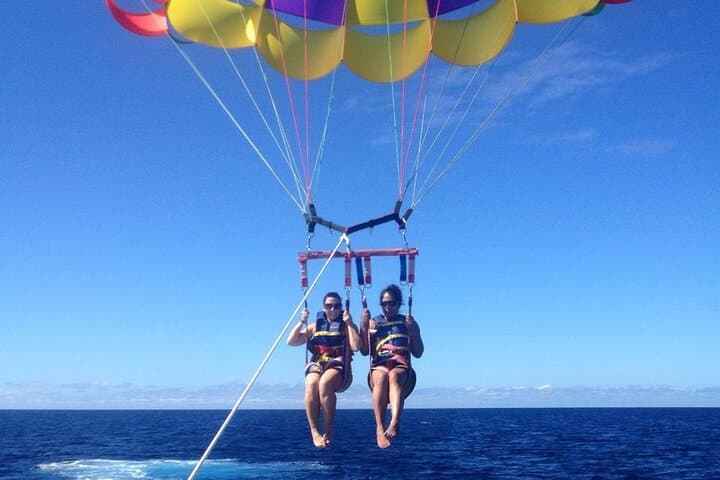
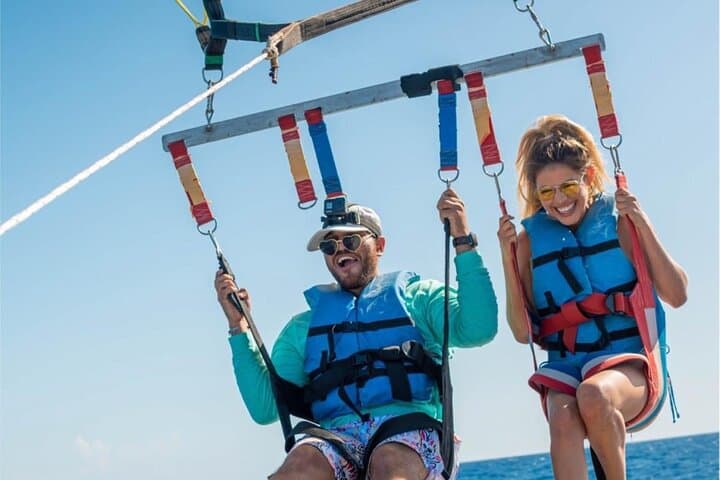
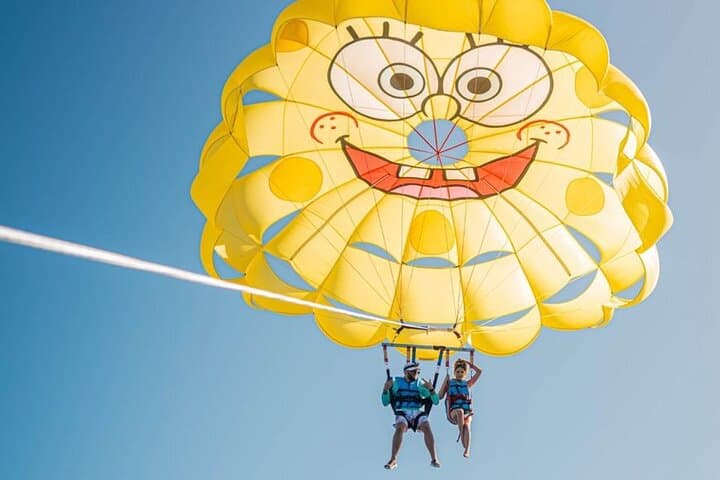
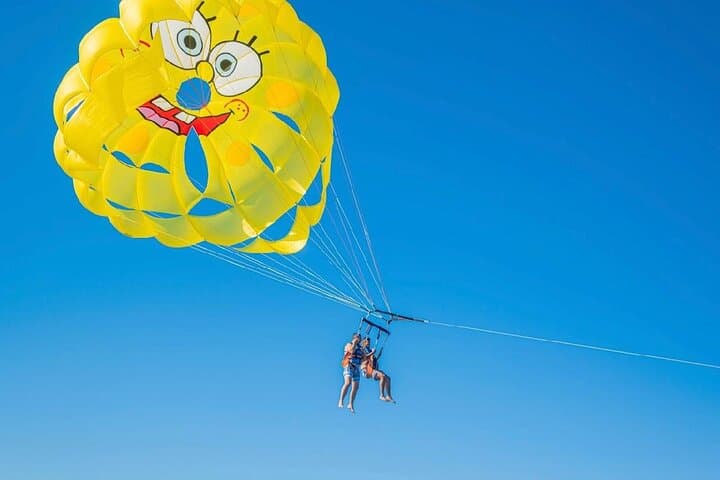
The boat revs and the shoreline falls away: white sand narrows into a ribbon, the reef steps out in bands of blue, and the harness becomes the only thing between you and a widening horizon. At 600–800 feet above West Bay Beach you’ll see the Caribbean unspool — coral plateaus, shadowed channels, and jungle-topped ridgelines that meet the coast.
The boat revs and the shoreline falls away: white sand narrows into a ribbon, the reef steps out in bands of blue, and the harness becomes the only thing between you and a widening horizon. At 600–800 feet above West Bay Beach you’ll see the Caribbean unspool — coral plateaus, shadowed channels, and jungle-topped ridgelines that meet the coast.
The Bay Islands have a layered history of Garifuna, Miskito and European contacts; West Bay grew from a fishing and small-harbor economy into one of the island’s premier beach stretches. Geologically the reef is part of the Mesoamerican Barrier Reef system — living coral on a limestone shelf that drops into deep, clear water, which gives parasailers an almost map-like view of marine terraces.
Locally, the beach combines tourist services with small vendors and kitchens serving fresh ceviche and fried fish; boating, snorkeling and dive operators share the same shallow approach channels. Conservation measures here focus on reef protection and responsible tourism — pilots and boat operators commonly brief guests on avoiding contact with coral when dipping.
Practical guidance: flights give about 12–15 minutes of airtime within a ~30-minute activity window; you can fly solo or tandem and often finish with an optional swim beyond the outer reef. Pickup is not included in base pricing, though operators may offer paid transfers; infants must sit on laps and the activity is suitable for most fitness levels. Bring reef-safe sunscreen, a dry bag for phones, and wear swimwear under quick-dry clothing. Weather can cancel flights, so plan this early in your Roatán itinerary to allow flexibility.