THE ADVENTURE COLLECTIVE® · Independent discovery and booking for outdoor travel

Launch above Bavaro Beach for a quick, high-altitude view of Punta Cana's turquoise coast. This 15-minute parasail flight pairs adrenaline with accessible logistics—ideal for travelers seeking a compact, scenic thrill.
Launch above Bavaro Beach for a quick, high-altitude view of Punta Cana's turquoise coast. This 15-minute parasail flight pairs adrenaline with accessible logistics—ideal for travelers seeking a compact, scenic thrill.
A speedboat burrows a white line through turquoise water and, in the span of minutes, pulls you aloft. At 500 feet (about 150 meters) over the coast of Punta Cana, the beach falls away into a patchwork of coral flats and swaying palms; the wind tugs at the harness, and the island opens in a clean, horizontal sweep.
Verified experiences and guided adventures in the surrounding area.
Operated by Oasis Humpack RD · Punta Cana, La Altagracia
A speedboat burrows a white line through turquoise water and, in the span of minutes, pulls you aloft. At 500 feet (about 150 meters) over the coast of Punta Cana, the beach falls away into a patchwork of coral flats and swaying palms; the wind tugs at the harness, and the island opens in a clean, horizontal sweep.
The east coast of the Dominican Republic is young geology—limestone platforms and offshore reefs built from coral growth over millennia, cut by currents that shape the shallow bays. European colonization and 20th-century tourism reshaped the shoreline into the resort landscapes now seen from above; fragments of Taíno history remain in place names and coastal lore. Local guides often point out fishing boats, offshore sandbars, and the long curve of Bavaro Beach as cultural markers of a community that lives by sea and service.
Practically, this is a short, high-adrenaline ocean activity tied to sea state and weather. Operators secure riders in a harness attached to a parasail wing that is towed by a speedboat; flights last about 15 minutes, but expect check-in, safety briefing, and transport to add 30–90 minutes. Wear reef-safe sunscreen, glasses with a strap, and shoes that can get wet. If you’re prone to motion sickness or have recent injuries, consult the operator first.
Flights are best in calm conditions—clear visibility makes the difference. Respect crew instructions, protect coral by avoiding unsanctioned swimming below, and you’ll come down with a sharp view of why Punta Cana’s shoreline draws people from around the world.
easy.
15 minutes (flight); total 1–2 hours.
Suitable for most fitness levels; must be able to board a boat and follow safety briefings
The airborne portion is about 15 minutes; factor in time for check-in, briefing, and boat transfer, which can bring the total to 1–2 hours.
Limits vary by operator—confirm at booking. Many companies set minimum age/height standards and apply maximum combined weights for tandem flights.
Operators cancel flights in unsafe wind or sea conditions and typically offer refunds or rescheduling; check the provider's cancellation policy.
No experience is necessary. Trained crew handle harnessing and operations, and safety briefings cover what you need to know.
The Punta Cana coast sits in La Altagracia, an area shaped by Taíno presence and later Spanish colonization; modern resort development accelerated from the 1970s onward.
Keep distance from corals and avoid swimming at unsanctioned reef spots; choose operators that follow local marine protection guidelines.
Oasis Humpack RD operates guided outdoor trips and adventures with an emphasis on safety, stewardship, and memorable experiences.
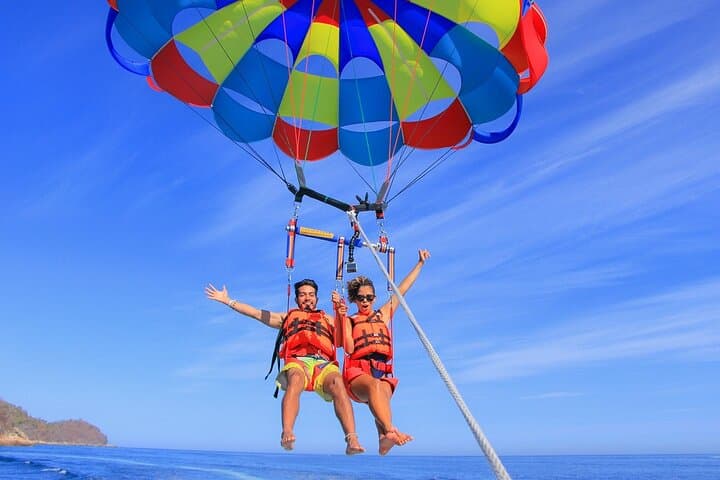
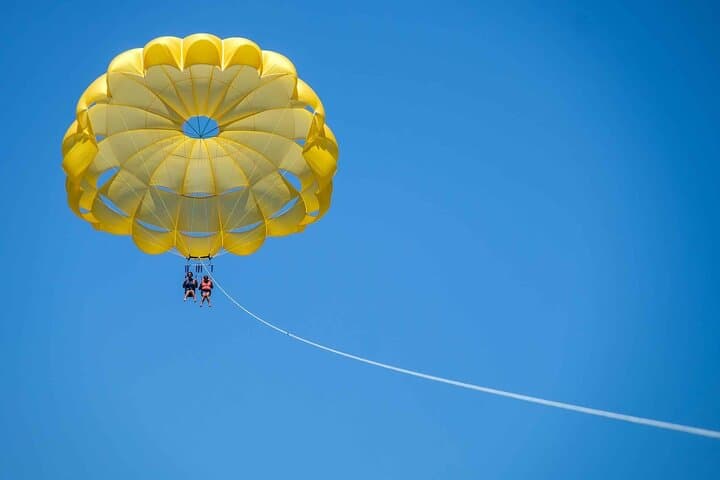
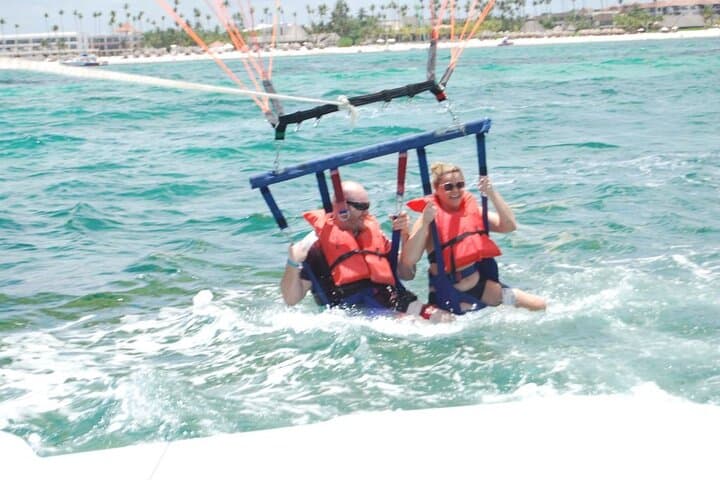
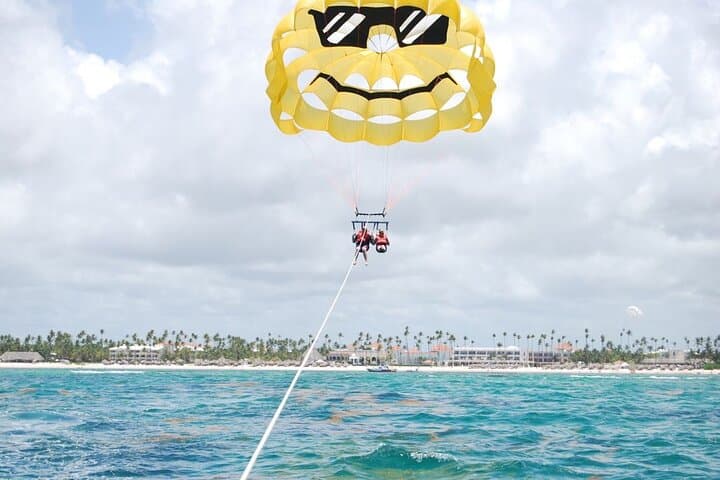
A speedboat burrows a white line through turquoise water and, in the span of minutes, pulls you aloft. At 500 feet (about 150 meters) over the coast of Punta Cana, the beach falls away into a patchwork of coral flats and swaying palms; the wind tugs at the harness, and the island opens in a clean, horizontal sweep.
A speedboat burrows a white line through turquoise water and, in the span of minutes, pulls you aloft. At 500 feet (about 150 meters) over the coast of Punta Cana, the beach falls away into a patchwork of coral flats and swaying palms; the wind tugs at the harness, and the island opens in a clean, horizontal sweep.
The east coast of the Dominican Republic is young geology—limestone platforms and offshore reefs built from coral growth over millennia, cut by currents that shape the shallow bays. European colonization and 20th-century tourism reshaped the shoreline into the resort landscapes now seen from above; fragments of Taíno history remain in place names and coastal lore. Local guides often point out fishing boats, offshore sandbars, and the long curve of Bavaro Beach as cultural markers of a community that lives by sea and service.
Practically, this is a short, high-adrenaline ocean activity tied to sea state and weather. Operators secure riders in a harness attached to a parasail wing that is towed by a speedboat; flights last about 15 minutes, but expect check-in, safety briefing, and transport to add 30–90 minutes. Wear reef-safe sunscreen, glasses with a strap, and shoes that can get wet. If you’re prone to motion sickness or have recent injuries, consult the operator first.
Flights are best in calm conditions—clear visibility makes the difference. Respect crew instructions, protect coral by avoiding unsanctioned swimming below, and you’ll come down with a sharp view of why Punta Cana’s shoreline draws people from around the world.