THE ADVENTURE COLLECTIVE® · Independent discovery and booking for outdoor travel

Launch from a speedboat and drift above Bávaro’s turquoise coast on a 15-minute parasailing flight. Expect quick onboarding, sweeping reef and hotel views, and calm morning conditions for the clearest panoramas.
Launch from a speedboat and drift above Bávaro’s turquoise coast on a 15-minute parasailing flight. Expect quick onboarding, sweeping reef and hotel views, and calm morning conditions for the clearest panoramas.
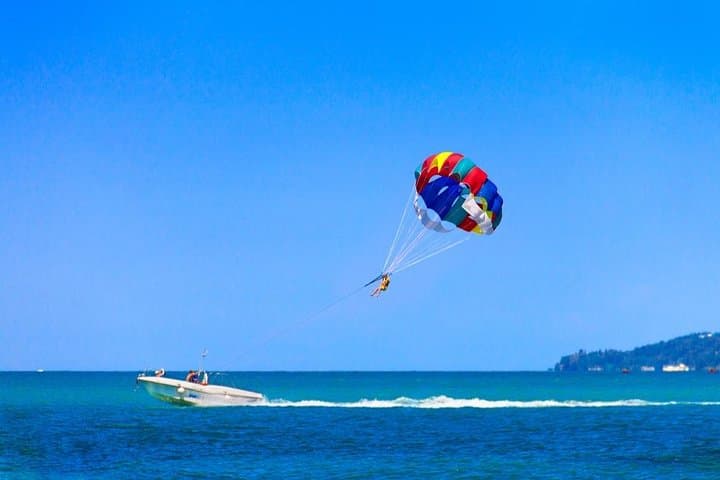
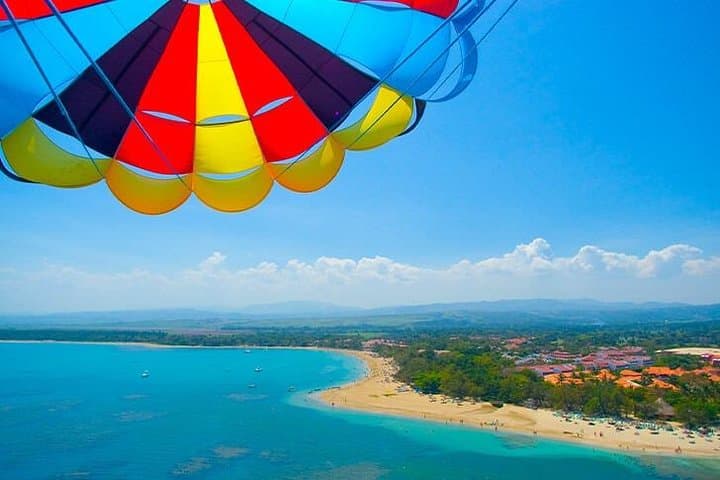
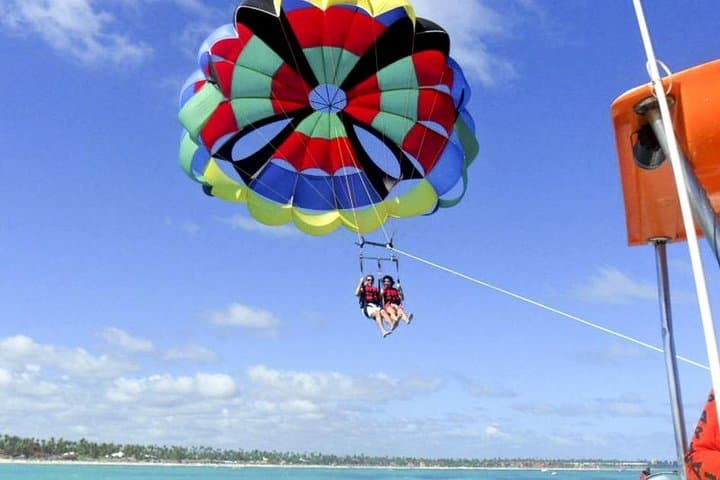
The speedboat slips away from the shoreline and the coastline of Bávaro unfolds beneath you—bands of turquoise, a fringe of coral, and a row of resort roofs shrinking into a postcard. Within moments the parachute fills and you climb: the motor's steady pull, the harness snug, and the ocean opening like a map beneath your feet. The wind gives the scene motion; the beach seems to breathe.
Verified experiences and guided adventures in the surrounding area.
Operated by Shelting Tours · Punta Cana, La Altagracia
The speedboat slips away from the shoreline and the coastline of Bávaro unfolds beneath you—bands of turquoise, a fringe of coral, and a row of resort roofs shrinking into a postcard. Within moments the parachute fills and you climb: the motor's steady pull, the harness snug, and the ocean opening like a map beneath your feet. The wind gives the scene motion; the beach seems to breathe.
This stretch of eastern Hispaniola sits on young carbonate platforms carved by waves and currents, where coral reefs built over millennia color the shallows. Punta Cana’s rapid transformation from pastoral coastline to international resort since the 1970s means modern marinas and preserved fishing enclaves coexist; local guides often point out fishing boats, coconut groves, and reef outcrops important to the fishing communities that predate tourism.
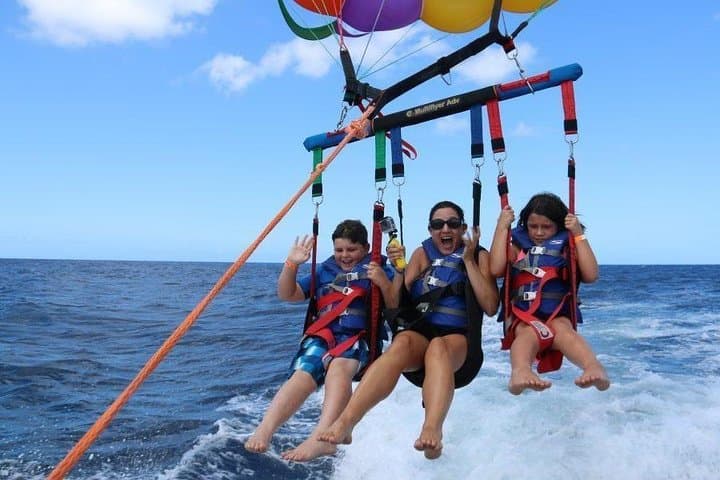
Practically, expect a short onboarding on the boat, life jacket fitting, and clear hand signals before the 10–15 minute airborne phase. Operators launch from a speedboat rather than a fixed dock, so boarding can be wet and the deck moves—wear secure footwear and a swimsuit. Morning flights offer calmer seas and clearer visibility; late afternoon gives softer light but can bring thermals.
Safety: parasailing relies on the crew and weather—strong winds or storms shut operations down. Conservation: the reefs below are fragile; choose operators who avoid low-altitude reef overflights and encourage reef-safe sunscreen. Bring a waterproof phone case or opt for operator photos rather than clipping your own device to the harness. In short: brief, high-up, spectacular—an accessible way to see Punta Cana from a fresh angle.
easy.
30–90 minutes (15-minute flight plus transit).
Minimal fitness required—participants should be able to transfer on/off a small boat and follow crew instructions
The airborne part is typically 10–15 minutes; allow extra time for transfer, briefing, and photo options, bringing the total to roughly 30–90 minutes.
Limits vary by operator; commonly single-person maxes are ~240–300 lb and tandem combined limits ~400–450 lb, with minimum ages often around 6—confirm at booking.
Operators cancel for high winds and storms for safety; most offer rebooking or a full refund if the operator cancels due to weather (check the specific cancellation policy).
Many Punta Cana tours include round-trip transfers from major resort areas and hotels in Bávaro; verify pickup details at booking.
Punta Cana’s coastline lies on reef-studded carbonate platforms; the area shifted from small fishing communities to international resorts in the late 20th century, blending local culture with tourism infrastructure.
Coral reefs here are sensitive to anchoring and sunscreen; choose operators that minimize reef disturbance, use mooring-friendly techniques, and promote reef-safe sunscreen.
Shelting Tours operates guided outdoor trips and adventures with an emphasis on safety, stewardship, and memorable experiences.
The speedboat slips away from the shoreline and the coastline of Bávaro unfolds beneath you—bands of turquoise, a fringe of coral, and a row of resort roofs shrinking into a postcard. Within moments the parachute fills and you climb: the motor's steady pull, the harness snug, and the ocean opening like a map beneath your feet. The wind gives the scene motion; the beach seems to breathe.
The speedboat slips away from the shoreline and the coastline of Bávaro unfolds beneath you—bands of turquoise, a fringe of coral, and a row of resort roofs shrinking into a postcard. Within moments the parachute fills and you climb: the motor's steady pull, the harness snug, and the ocean opening like a map beneath your feet. The wind gives the scene motion; the beach seems to breathe.
This stretch of eastern Hispaniola sits on young carbonate platforms carved by waves and currents, where coral reefs built over millennia color the shallows. Punta Cana’s rapid transformation from pastoral coastline to international resort since the 1970s means modern marinas and preserved fishing enclaves coexist; local guides often point out fishing boats, coconut groves, and reef outcrops important to the fishing communities that predate tourism.
Practically, expect a short onboarding on the boat, life jacket fitting, and clear hand signals before the 10–15 minute airborne phase. Operators launch from a speedboat rather than a fixed dock, so boarding can be wet and the deck moves—wear secure footwear and a swimsuit. Morning flights offer calmer seas and clearer visibility; late afternoon gives softer light but can bring thermals.
Safety: parasailing relies on the crew and weather—strong winds or storms shut operations down. Conservation: the reefs below are fragile; choose operators who avoid low-altitude reef overflights and encourage reef-safe sunscreen. Bring a waterproof phone case or opt for operator photos rather than clipping your own device to the harness. In short: brief, high-up, spectacular—an accessible way to see Punta Cana from a fresh angle.