THE ADVENTURE COLLECTIVE® · Independent discovery and booking for outdoor travel

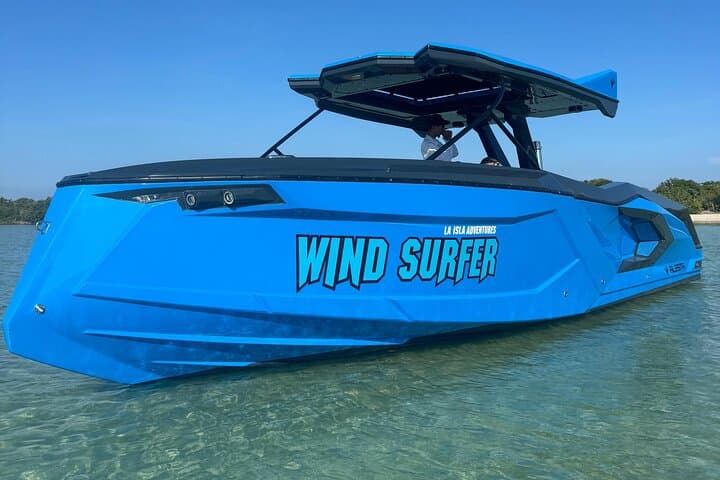
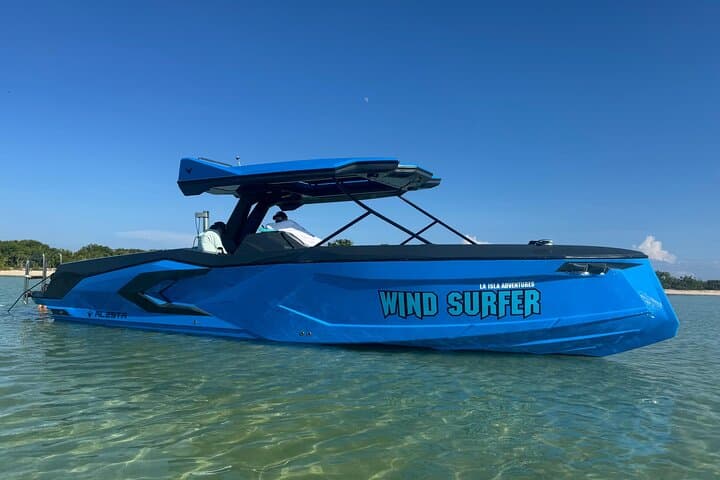
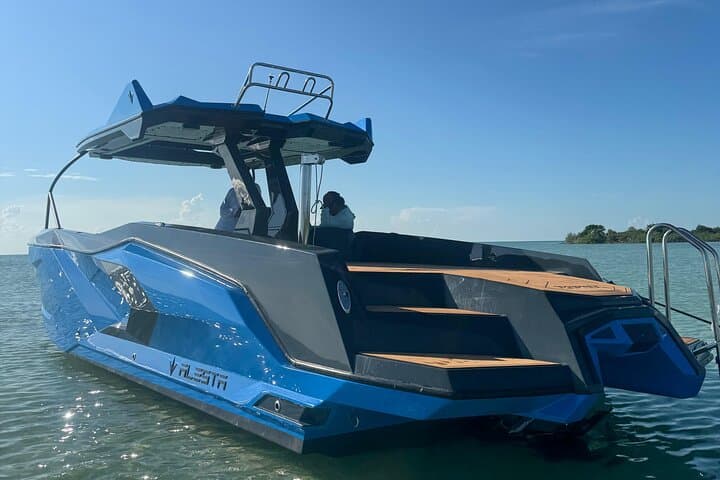
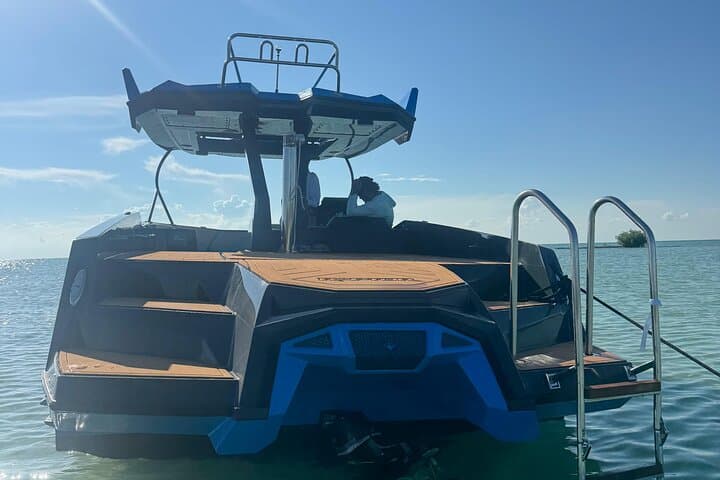
Lift off from San Pedro and fly above the Belize Barrier Reef on a modern parasailing vessel. This short, panoramic flight reveals reefs, sand flats and marine life while crews handle the technical details—ideal for first-time flyers.
Lift off from San Pedro and fly above the Belize Barrier Reef on a modern parasailing vessel. This short, panoramic flight reveals reefs, sand flats and marine life while crews handle the technical details—ideal for first-time flyers.
The boat hums away from San Pedro as the Caribbean opens like a bright, uninterrupted horizon. Salt air cuts sharp; the turquoise below moves with a slow, deliberate current that seems to dare you upward. Moments later the parachute blooms above the water and the island slips into a new geometry — reef lines, sand flats, and tiny motorboats reduced to dots.
Verified experiences and guided adventures in the surrounding area.
Operated by La Isla Adventures · San Pedro, Belize District
The boat hums away from San Pedro as the Caribbean opens like a bright, uninterrupted horizon. Salt air cuts sharp; the turquoise below moves with a slow, deliberate current that seems to dare you upward. Moments later the parachute blooms above the water and the island slips into a new geometry — reef lines, sand flats, and tiny motorboats reduced to dots.
Ambergris Caye sits atop the Belize Barrier Reef, the Western Hemisphere’s largest coral reef system. The region’s shallow lagoons and offshore reef formations are the product of millions of years of coral growth and sea-level change, and San Pedro’s history as a fishing and maritime community gives flights over the water a lived-in, local character.
From the harness, visibility is immediate and practical: you can make out reef patches, sand channels and the pale shapes of foraging fish. Captains running modern parasailing boats here are typically licensed and crewed to international safety standards; many operators also point out Hol Chan Marine Reserve and Shark Ray Alley on the way out.
Practical guidance: expect a 75-minute experience that includes safety briefings and boat transit. Guests should be able to climb a short platform and follow crew directions for takeoff and landing. Weight limits, basic health restrictions, and weather cancellations are standard. Bring reef-safe sunscreen, a secure phone case, and clothing that dries fast. Morning and late-afternoon windows often deliver calmer water and stronger light for photos.
This is an experiential, coastal flight — short, panoramic, and best appreciated with an eye for reef detail and an appetite for a clean, uncomplicated adrenaline hit.
moderate.
1–1.5 hours.
Light to moderate fitness; must be able to climb a small platform and follow crew instructions.
Yes—commercial operators use harnessed flights with trained crew and PFDs; most flights require only the ability to climb a small boarding platform and follow basic instructions.
Policies vary by operator but typically set minimum ages (children seated on laps sometimes allowed) and maximum combined weights; provide ages and weights when booking.
Yes—operators monitor wind, rain, and sea state; cancellations for unsafe weather are common and usually refunded if within policy windows.
Yes—on clear days you can often spot reef structures, schools of fish, rays, and turtles in shallower areas, though visibility depends on sun angle and water clarity.
San Pedro grew from fishing and small-scale commercial roots into a tourism hub; flights here trace fishing channels and reef lines used for generations.
The Belize Barrier Reef is a protected marine area with reserves like Hol Chan; visitors are encouraged to use reef‑safe products and follow crew guidance to minimize disturbance.
La Isla Adventures operates guided outdoor trips and adventures with an emphasis on safety, stewardship, and memorable experiences.
The boat hums away from San Pedro as the Caribbean opens like a bright, uninterrupted horizon. Salt air cuts sharp; the turquoise below moves with a slow, deliberate current that seems to dare you upward. Moments later the parachute blooms above the water and the island slips into a new geometry — reef lines, sand flats, and tiny motorboats reduced to dots.
The boat hums away from San Pedro as the Caribbean opens like a bright, uninterrupted horizon. Salt air cuts sharp; the turquoise below moves with a slow, deliberate current that seems to dare you upward. Moments later the parachute blooms above the water and the island slips into a new geometry — reef lines, sand flats, and tiny motorboats reduced to dots.
Ambergris Caye sits atop the Belize Barrier Reef, the Western Hemisphere’s largest coral reef system. The region’s shallow lagoons and offshore reef formations are the product of millions of years of coral growth and sea-level change, and San Pedro’s history as a fishing and maritime community gives flights over the water a lived-in, local character.
From the harness, visibility is immediate and practical: you can make out reef patches, sand channels and the pale shapes of foraging fish. Captains running modern parasailing boats here are typically licensed and crewed to international safety standards; many operators also point out Hol Chan Marine Reserve and Shark Ray Alley on the way out.
Practical guidance: expect a 75-minute experience that includes safety briefings and boat transit. Guests should be able to climb a short platform and follow crew directions for takeoff and landing. Weight limits, basic health restrictions, and weather cancellations are standard. Bring reef-safe sunscreen, a secure phone case, and clothing that dries fast. Morning and late-afternoon windows often deliver calmer water and stronger light for photos.
This is an experiential, coastal flight — short, panoramic, and best appreciated with an eye for reef detail and an appetite for a clean, uncomplicated adrenaline hit.