THE ADVENTURE COLLECTIVE® · Independent discovery and booking for outdoor travel

Lift above Punta Cana’s turquoise edge and watch reef, beach and palms compress into a single seaside scene. This one-hour parasailing opener delivers bird’s-eye views with minimal exertion—ideal for visitors who want an aerial snapshot of the coast.
Lift above Punta Cana’s turquoise edge and watch reef, beach and palms compress into a single seaside scene. This one-hour parasailing opener delivers bird’s-eye views with minimal exertion—ideal for visitors who want an aerial snapshot of the coast.
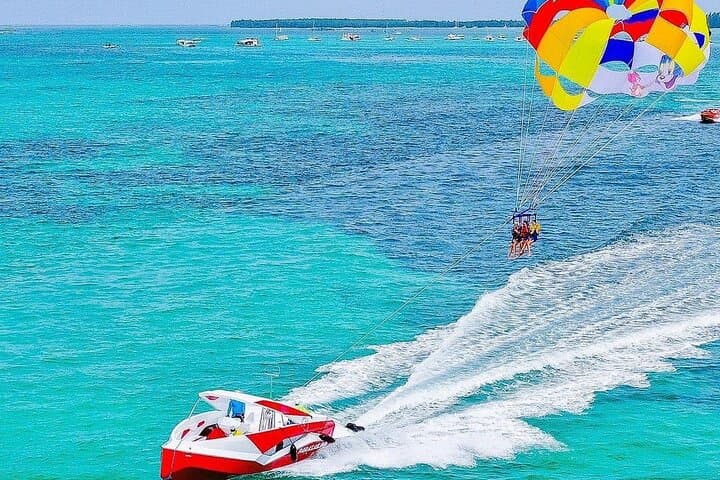
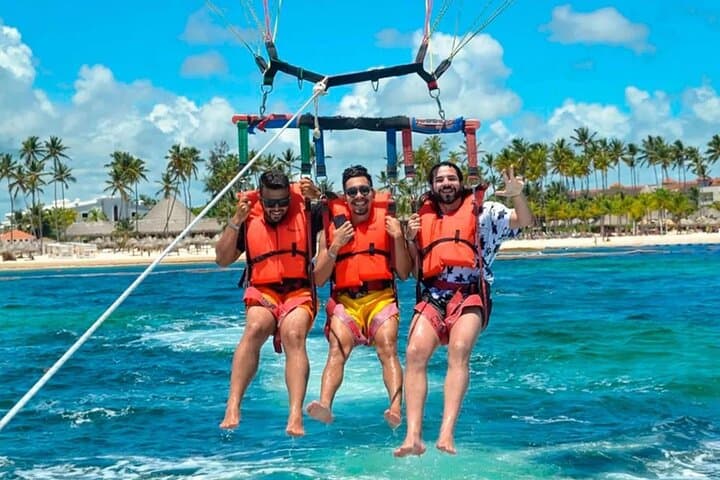
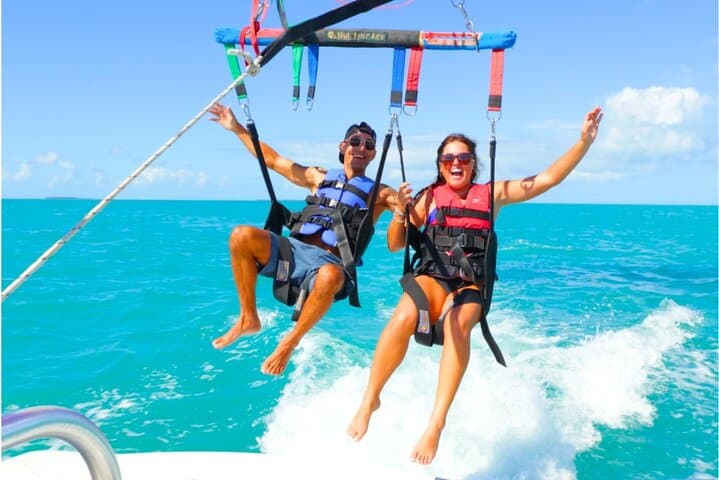
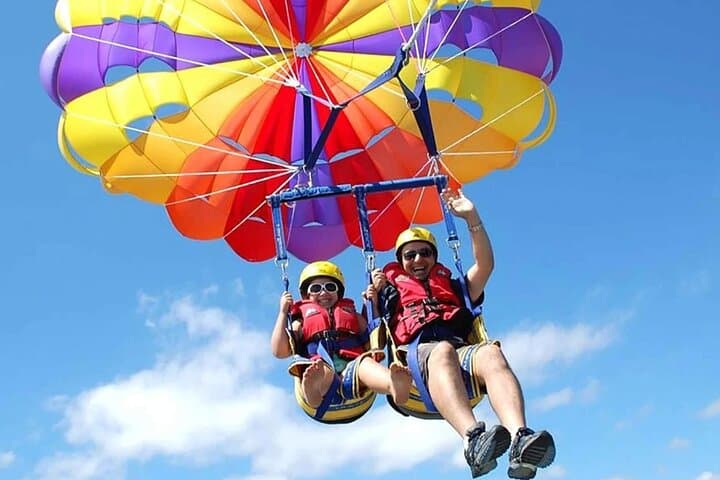
The harness snaps and the boat revs, the shoreline shrinking as wind takes your weight and lifts you skyward. Below, the Atlantic stretches a ribbon of turquoise and the white-sand coast of Punta Cana unfurls like a map—palm forests swaying, resorts punctuating the beach, and the reef line curving where waves break into white.
Verified experiences and guided adventures in the surrounding area.
Operated by Via Punta Cana · Punta Cana, La Altagracia
The harness snaps and the boat revs, the shoreline shrinking as wind takes your weight and lifts you skyward. Below, the Atlantic stretches a ribbon of turquoise and the white-sand coast of Punta Cana unfurls like a map—palm forests swaying, resorts punctuating the beach, and the reef line curving where waves break into white.
This coastline on Hispaniola is geologically young: coral platforms and limestone underlie the beaches, creating the clear, shallow waters that draw both swimmers and pilots. Punta Cana’s modern identity grew from 1970s tourism investment on former sugarcane lands; today local fishing communities still cast nets along quieter stretches. From the air you’ll see both the developed hotel corridor and pockets of protected mangrove and reef that support marine life.
A typical parasailing flight in Punta Cana lifts you roughly 150–300 feet (45–90 m) for 8–12 minutes of free-floating views; most operators include round-trip transport, equipment, and staff briefings in a one-hour experience. The ocean and breeze become active partners—the wind will insist you climb a little higher or drift wider, and the sea will glint and dare you to look down. Crews fit life jackets and harnesses, and vessels follow simple launch-and-retrieve sequences so the ride feels thrilling but controlled.
Book mornings for calmer winds and clearer light, arrive with sunscreen and a waterproof phone case, and heed the safety briefing—parasailing is low-exertion but requires operators to respect weight limits and health restrictions. If weather is rough, operators commonly cancel for safety; plan your slot early in your trip to allow flexibility.
easy.
45–75 minutes (typically 1 hour total).
Minimal physical exertion required; able to climb a short ladder and follow crew instructions.
The airborne portion is typically 8–12 minutes; the full excursion including transport and prep runs about 45–75 minutes, often billed as one hour.
Reputable operators follow safety protocols—life jackets, harness checks and trained crews—however flights are suspended in poor weather for safety.
Yes—bring a waterproof case or small camera; many people also use staff to take photos from the boat during launch and landing.
Yes—operators set minimum ages and weight ranges for safe harnessing; disclose weights when booking and follow crew guidance.
Punta Cana transformed from agricultural and fishing land into a tourism hub starting in the 1970s, shaping today’s resort coastline and marine-use patterns.
Many operators work with local guidelines to avoid reef contact and reduce disturbances; visitors should avoid feeding wildlife and dispose of waste responsibly.
Via Punta Cana operates guided outdoor trips and adventures with an emphasis on safety, stewardship, and memorable experiences.
The harness snaps and the boat revs, the shoreline shrinking as wind takes your weight and lifts you skyward. Below, the Atlantic stretches a ribbon of turquoise and the white-sand coast of Punta Cana unfurls like a map—palm forests swaying, resorts punctuating the beach, and the reef line curving where waves break into white.
The harness snaps and the boat revs, the shoreline shrinking as wind takes your weight and lifts you skyward. Below, the Atlantic stretches a ribbon of turquoise and the white-sand coast of Punta Cana unfurls like a map—palm forests swaying, resorts punctuating the beach, and the reef line curving where waves break into white.
This coastline on Hispaniola is geologically young: coral platforms and limestone underlie the beaches, creating the clear, shallow waters that draw both swimmers and pilots. Punta Cana’s modern identity grew from 1970s tourism investment on former sugarcane lands; today local fishing communities still cast nets along quieter stretches. From the air you’ll see both the developed hotel corridor and pockets of protected mangrove and reef that support marine life.
A typical parasailing flight in Punta Cana lifts you roughly 150–300 feet (45–90 m) for 8–12 minutes of free-floating views; most operators include round-trip transport, equipment, and staff briefings in a one-hour experience. The ocean and breeze become active partners—the wind will insist you climb a little higher or drift wider, and the sea will glint and dare you to look down. Crews fit life jackets and harnesses, and vessels follow simple launch-and-retrieve sequences so the ride feels thrilling but controlled.
Book mornings for calmer winds and clearer light, arrive with sunscreen and a waterproof phone case, and heed the safety briefing—parasailing is low-exertion but requires operators to respect weight limits and health restrictions. If weather is rough, operators commonly cancel for safety; plan your slot early in your trip to allow flexibility.