THE ADVENTURE COLLECTIVE® · Independent discovery and booking for outdoor travel

Rise above Bávaro’s turquoise shallows and see Punta Cana’s resort coast from 150–300 feet. This quick, beach-launched parasail flight delivers panoramic reef and shoreline views with minimal effort and weather-dependent scheduling.
Rise above Bávaro’s turquoise shallows and see Punta Cana’s resort coast from 150–300 feet. This quick, beach-launched parasail flight delivers panoramic reef and shoreline views with minimal effort and weather-dependent scheduling.
You step off soft sand as a northeasterly breeze lifts the parachute above the surf; the speedboat slips past coconut-fringed hotels and into a belt of turquoise that seems to glow from below. Within minutes you’re clipped into a harness and the line tightens — the coast of Bávaro drops away and the shoreline arranges itself into hotels, reefs and ribboned beaches.
Verified experiences and guided adventures in the surrounding area.
Operated by Shelting Tours · Punta Cana, La Altagracia
You step off soft sand as a northeasterly breeze lifts the parachute above the surf; the speedboat slips past coconut-fringed hotels and into a belt of turquoise that seems to glow from below. Within minutes you’re clipped into a harness and the line tightens — the coast of Bávaro drops away and the shoreline arranges itself into hotels, reefs and ribboned beaches.
Punta Cana’s coast sits on limestone and coral platforms carved by Caribbean currents; the modern resort strip grew rapidly from the 1970s when international tourism reshaped La Altagracia Province. Local fishing villages and offshore coral gardens remain visible from above, and flying gives a clear sense of the reefs’ color bands and the reef flats that protect sandy bays.
Practical details: most commercial parasail flights here run about 8–12 minutes airborne with a total experience near 20 minutes. Operators launch from the beach or a shallow-water platform; you’ll wear a life vest and a harness, and a guide handles the boat and winch. Typical altitude ranges 45–90 meters (150–300 ft) depending on wind and operator limits, offering unobstructed views of Bavaro, Macao and Juanillo beaches.
Plan for strong sun, quick turnarounds and weather-dependent scheduling — operators can cancel in high winds or storms. Morning sessions often have calmer seas and clearer visibility. Bring reef-safe sunscreen, secure small items in a waterproof pouch, and tell the crew about any medical restrictions; the activity is considered easy but not recommended for pregnant people or those with serious spinal or cardiovascular conditions.
easy.
20–30 minutes.
Suitable for most people in average physical condition; requires ability to climb a short boat ladder and stand during harnessing.
Airborne time is typically 8–12 minutes; the full experience including briefing and setup runs about 20 minutes.
Yes — commercial operators use experienced crews and provide life vests and harnesses, but it’s not recommended for pregnant travelers or those with serious spinal or heart conditions.
Most beach-launched flights stay dry on takeoff and landing, but light spray is possible; boat launches or tandem water dips depend on the operator’s format.
Operators will cancel or postpone flights in high winds or storms; check the cancellation window (often 24 hours) and have flexible timing during hurricane season.
The Punta Cana resort corridor expanded rapidly from the 1970s as international tourism investments converted coastal plantations into hotels, reshaping local economies in La Altagracia.
Coral reefs here are sensitive to sunscreen and boat traffic; choose operators that use established routes and follow reef-safe practices to limit ecological impact.
Shelting Tours operates guided outdoor trips and adventures with an emphasis on safety, stewardship, and memorable experiences.
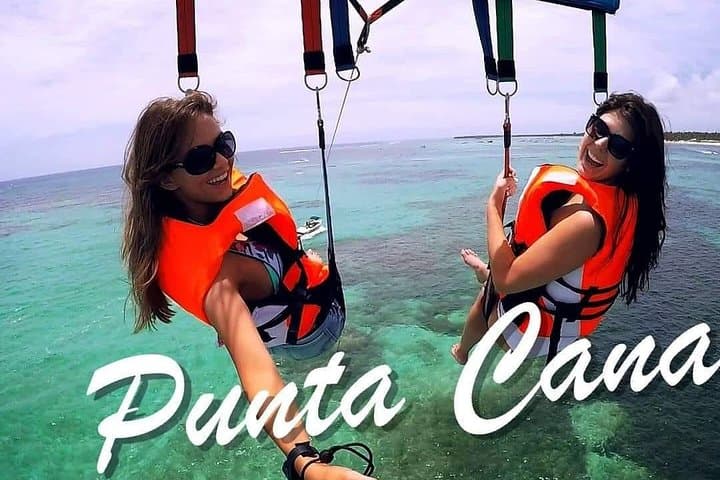
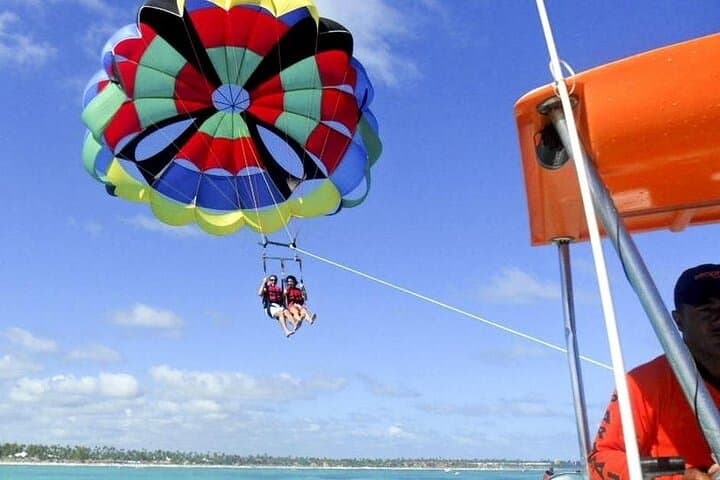
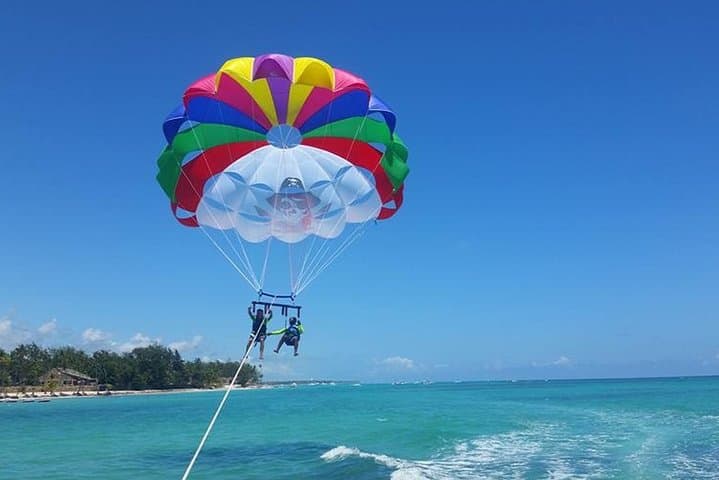
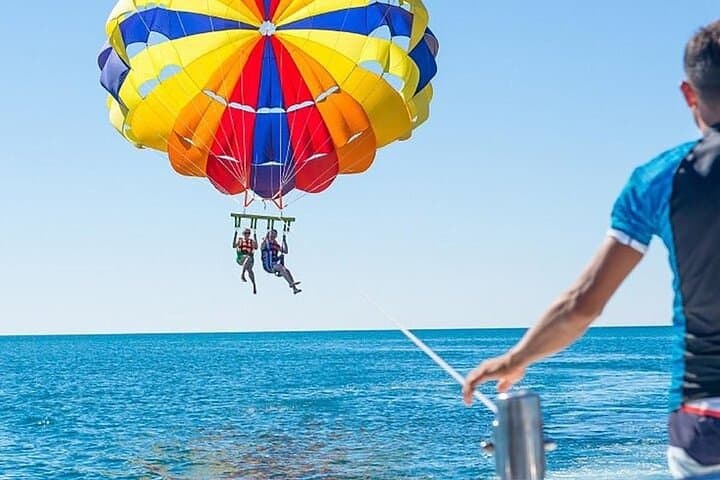
You step off soft sand as a northeasterly breeze lifts the parachute above the surf; the speedboat slips past coconut-fringed hotels and into a belt of turquoise that seems to glow from below. Within minutes you’re clipped into a harness and the line tightens — the coast of Bávaro drops away and the shoreline arranges itself into hotels, reefs and ribboned beaches.
You step off soft sand as a northeasterly breeze lifts the parachute above the surf; the speedboat slips past coconut-fringed hotels and into a belt of turquoise that seems to glow from below. Within minutes you’re clipped into a harness and the line tightens — the coast of Bávaro drops away and the shoreline arranges itself into hotels, reefs and ribboned beaches.
Punta Cana’s coast sits on limestone and coral platforms carved by Caribbean currents; the modern resort strip grew rapidly from the 1970s when international tourism reshaped La Altagracia Province. Local fishing villages and offshore coral gardens remain visible from above, and flying gives a clear sense of the reefs’ color bands and the reef flats that protect sandy bays.
Practical details: most commercial parasail flights here run about 8–12 minutes airborne with a total experience near 20 minutes. Operators launch from the beach or a shallow-water platform; you’ll wear a life vest and a harness, and a guide handles the boat and winch. Typical altitude ranges 45–90 meters (150–300 ft) depending on wind and operator limits, offering unobstructed views of Bavaro, Macao and Juanillo beaches.
Plan for strong sun, quick turnarounds and weather-dependent scheduling — operators can cancel in high winds or storms. Morning sessions often have calmer seas and clearer visibility. Bring reef-safe sunscreen, secure small items in a waterproof pouch, and tell the crew about any medical restrictions; the activity is considered easy but not recommended for pregnant people or those with serious spinal or cardiovascular conditions.