THE ADVENTURE COLLECTIVE® · Independent discovery and booking for outdoor travel

Rise above Gran Canaria’s sunlit southern coast on a short, controlled parasail flight from Taurito, Mogán or Playa del Inglés. Expect panoramic sea views, a gentle ascent, and an easygoing boat launch ideal for first-time flyers.
Rise above Gran Canaria’s sunlit southern coast on a short, controlled parasail flight from Taurito, Mogán or Playa del Inglés. Expect panoramic sea views, a gentle ascent, and an easygoing boat launch ideal for first-time flyers.
You step aboard a low-slung speedboat and feel the Atlantic pull at the hull as the crew checks the lines. The chute fills above you, bright against a sky that often sits clear over Gran Canaria’s southern shore. In eight to ten minutes you trade the low, surf-side rhythm for a steady, wind-sweet glide; below, the coastline slides by—dark volcanic slopes, the patchwork of resort roofs, and a wide blue that dares you to look down.
Verified experiences and guided adventures in the surrounding area.
Operated by Tour2b · Taurito, Las Palmas
You step aboard a low-slung speedboat and feel the Atlantic pull at the hull as the crew checks the lines. The chute fills above you, bright against a sky that often sits clear over Gran Canaria’s southern shore. In eight to ten minutes you trade the low, surf-side rhythm for a steady, wind-sweet glide; below, the coastline slides by—dark volcanic slopes, the patchwork of resort roofs, and a wide blue that dares you to look down.
The south coast’s bays were once fishing coves before tourism reshaped the shoreline into ports and beaches. The island’s volcanic geology—old lava flows cut by ravines—creates the steep headlands and sheltered waters that make tow-paragliding safe and scenic here. Local crews are rooted in a maritime tradition; many operators are family-run and know these currents well.
Practically: flights last about 8–10 minutes, with boarding and briefing adding time for a 30–60 minute total window. Operators run from mid-morning to late afternoon; life jackets are supplied and the harness system requires no piloting skill. Maximum combined weight is 200 kg, and groups of up to three adults can fly together. Minimum age is typically 6.
Prepare with sunscreen, a secure camera or waterproof case, and clothes that won’t flap loose in the wind. Expect wind gusts on open water and brief spray on launch; if you’re unsure, ask the crew to photograph your flight rather than bringing loose devices. Cancellation policies can vary—book with a 24-hour cushion and confirm weather and pickup options the morning of your flight.
easy.
30–60 minutes.
Minimal fitness required; participants should be able to board a small boat and remain seated during briefing.
The airborne portion runs about 8–10 minutes; expect 30–60 minutes total including briefing, boarding and return.
Minimum age is generally 6 years; the maximum combined weight for up to three people is 200 kg—confirm for your booking.
No—participants are harnessed in while the boat tows the chute; the crew manages launch, flight tethering, and landing.
Operators monitor wind and sea conditions; if conditions are unsafe they typically cancel or reschedule—check cancellation terms when booking.
The southern coast developed from fishing villages into tourism hubs in the mid-20th century; many operators trace roots to local maritime and boat-handling traditions.
Respect wildlife sightings—avoid sudden noise or flash photography; choose operators that follow marine regulations and minimize idling near marine life.
Tour2b operates guided outdoor trips and adventures with an emphasis on safety, stewardship, and memorable experiences.
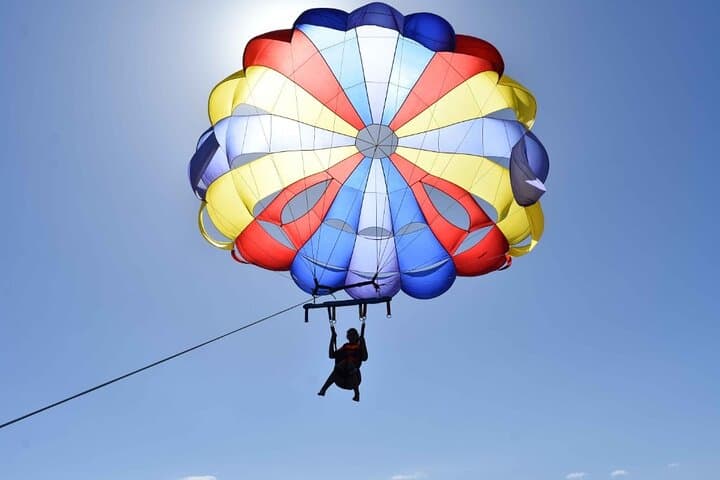
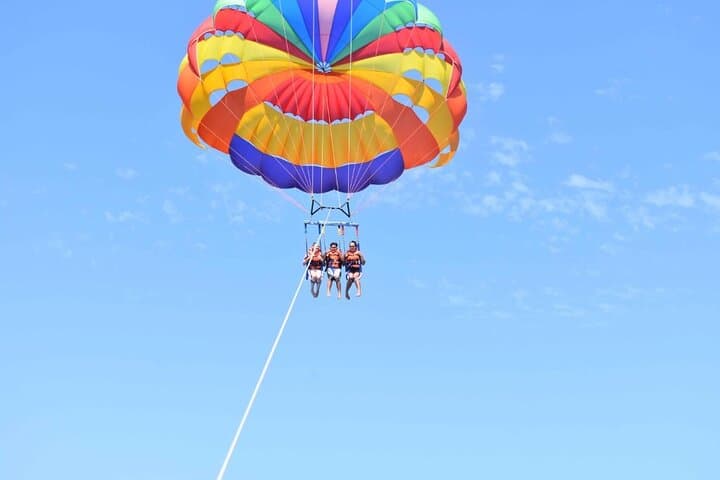
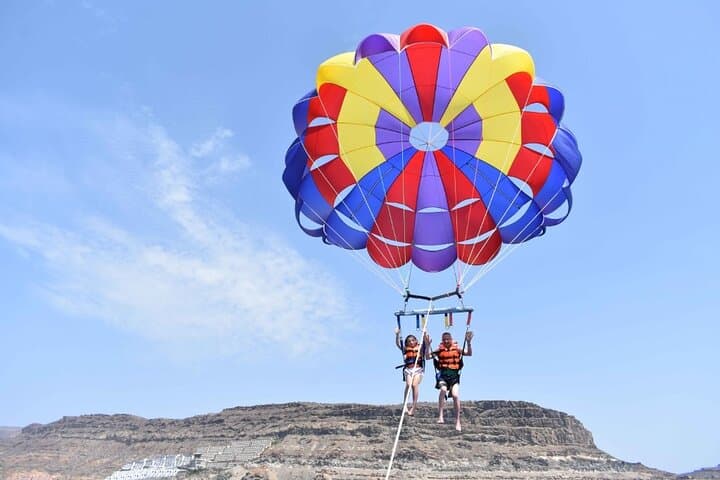
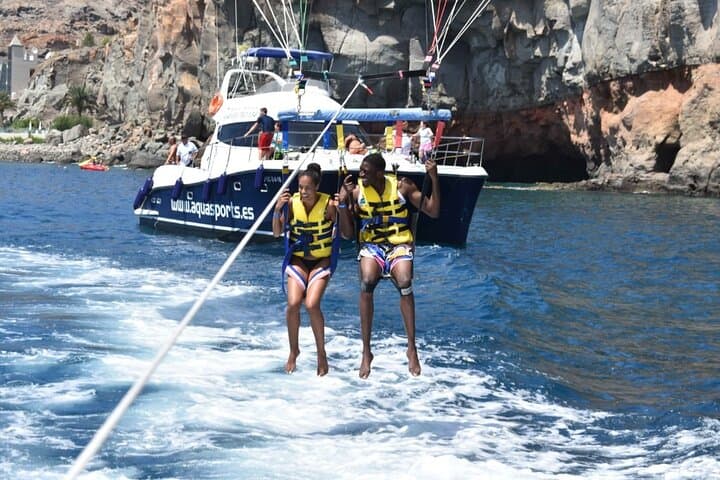
You step aboard a low-slung speedboat and feel the Atlantic pull at the hull as the crew checks the lines. The chute fills above you, bright against a sky that often sits clear over Gran Canaria’s southern shore. In eight to ten minutes you trade the low, surf-side rhythm for a steady, wind-sweet glide; below, the coastline slides by—dark volcanic slopes, the patchwork of resort roofs, and a wide blue that dares you to look down.
You step aboard a low-slung speedboat and feel the Atlantic pull at the hull as the crew checks the lines. The chute fills above you, bright against a sky that often sits clear over Gran Canaria’s southern shore. In eight to ten minutes you trade the low, surf-side rhythm for a steady, wind-sweet glide; below, the coastline slides by—dark volcanic slopes, the patchwork of resort roofs, and a wide blue that dares you to look down.
The south coast’s bays were once fishing coves before tourism reshaped the shoreline into ports and beaches. The island’s volcanic geology—old lava flows cut by ravines—creates the steep headlands and sheltered waters that make tow-paragliding safe and scenic here. Local crews are rooted in a maritime tradition; many operators are family-run and know these currents well.
Practically: flights last about 8–10 minutes, with boarding and briefing adding time for a 30–60 minute total window. Operators run from mid-morning to late afternoon; life jackets are supplied and the harness system requires no piloting skill. Maximum combined weight is 200 kg, and groups of up to three adults can fly together. Minimum age is typically 6.
Prepare with sunscreen, a secure camera or waterproof case, and clothes that won’t flap loose in the wind. Expect wind gusts on open water and brief spray on launch; if you’re unsure, ask the crew to photograph your flight rather than bringing loose devices. Cancellation policies can vary—book with a 24-hour cushion and confirm weather and pickup options the morning of your flight.