THE ADVENTURE COLLECTIVE® · Independent discovery and booking for outdoor travel

Explore Asbury Park’s Paranormal Museum on a private, guided hour-long walkthrough of haunted objects and American folklore. Expect a focused mix of history, visitor accounts, and carefully preserved oddities.
Explore Asbury Park’s Paranormal Museum on a private, guided hour-long walkthrough of haunted objects and American folklore. Expect a focused mix of history, visitor accounts, and carefully preserved oddities.
Stepping through the Paranormal Museum’s door in Asbury Park feels like crossing a threshold between seaside town history and the unquiet corners of folklore.
Verified experiences and guided adventures in the surrounding area.
Operated by Paranormal Books and Curiosities and The Paranormal Museum · Asbury Park, New Jersey
Stepping through the Paranormal Museum’s door in Asbury Park feels like crossing a threshold between seaside town history and the unquiet corners of folklore.
Dimmed cases catch the light on dozens of objects — Ouija boards with faded lettering, dolls whose glassy eyes seem to track you, and a painting called “Blue” that visitors swear changes the room’s temperature. The guide moves at a measured pace, pointing out ledger notes, provenance, and the anecdotes that give artifacts their reputations.
The collection links local and national threads: 19th‑century New England vampire lore like the Mercy Brown case sits beside Civil War relics and exhibits about Salem-era fears, showing how superstition and history have shaped American beliefs.
The building itself sits a short walk from the Asbury Park boardwalk, a city reborn from turn‑of‑the‑century resort life and a mid‑20th‑century music scene that produced its own legends. The museum curates reports and objects rather than endorsing the supernatural — expect a mix of documented history and visitor accounts.
Practical guidance: tours run about an hour and are private to small groups, so bring your questions and a charged phone for photos allowed in most rooms. Pay attention to signage; many items are fragile or restricted. If you’re sensitive to strong themes or eerie atmospheres, pick an earlier timeslot when lighting is brighter and crowds are lighter.
This is less a fright house and more an intimate museum experience that asks you to weigh folklore, provenance, and the stories people bring to objects.
easy.
60 minutes.
Minimal — accessible to most visitors who can stand and walk short distances
The tour runs approximately 60 minutes and is private to your booking group.
Children can attend, but the material includes macabre and unsettling themes; parental discretion is advised.
Photography is generally permitted in most rooms, but follow posted restrictions and avoid flash on sensitive artifacts.
The museum states it is suitable for all physical fitness levels; contact the operator for specific accessibility accommodations.
Asbury Park grew as a late‑19th‑century seaside resort and later became a music hub; the museum ties local history to national folklore like the Mercy Brown vampire case.
The museum preserves fragile donated objects and relies on respectful viewing; visitors are asked not to touch exhibits and to support local preservation efforts when possible.
Paranormal Books and Curiosities and The Paranormal Museum operates guided outdoor trips and adventures with an emphasis on safety, stewardship, and memorable experiences.
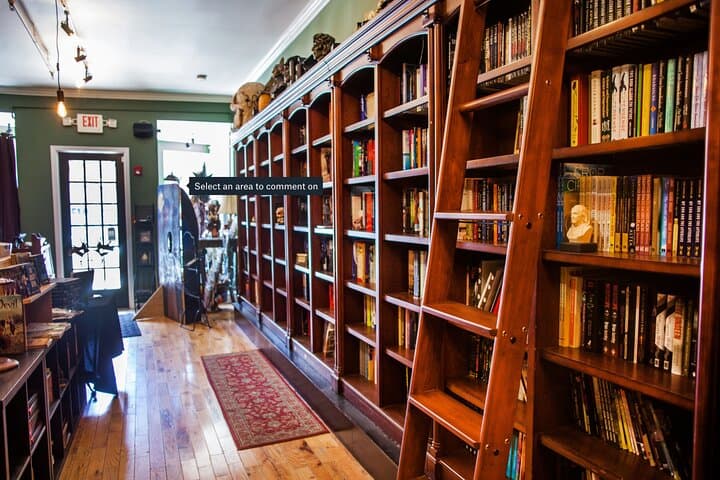
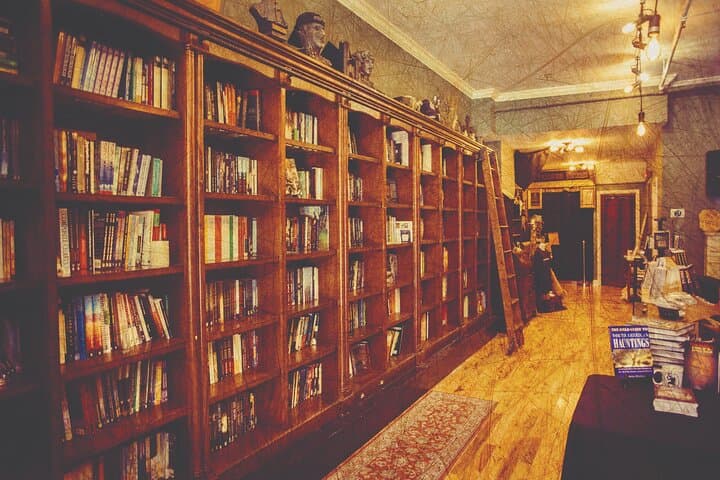
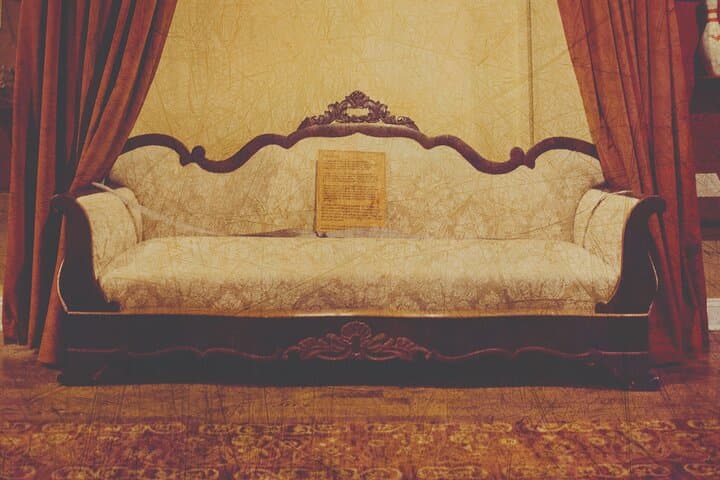
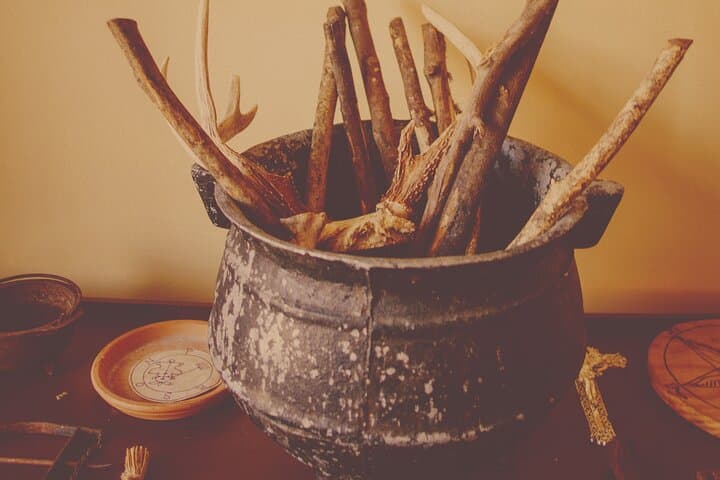
Stepping through the Paranormal Museum’s door in Asbury Park feels like crossing a threshold between seaside town history and the unquiet corners of folklore.
Stepping through the Paranormal Museum’s door in Asbury Park feels like crossing a threshold between seaside town history and the unquiet corners of folklore.
Dimmed cases catch the light on dozens of objects — Ouija boards with faded lettering, dolls whose glassy eyes seem to track you, and a painting called “Blue” that visitors swear changes the room’s temperature. The guide moves at a measured pace, pointing out ledger notes, provenance, and the anecdotes that give artifacts their reputations.
The collection links local and national threads: 19th‑century New England vampire lore like the Mercy Brown case sits beside Civil War relics and exhibits about Salem-era fears, showing how superstition and history have shaped American beliefs.
The building itself sits a short walk from the Asbury Park boardwalk, a city reborn from turn‑of‑the‑century resort life and a mid‑20th‑century music scene that produced its own legends. The museum curates reports and objects rather than endorsing the supernatural — expect a mix of documented history and visitor accounts.
Practical guidance: tours run about an hour and are private to small groups, so bring your questions and a charged phone for photos allowed in most rooms. Pay attention to signage; many items are fragile or restricted. If you’re sensitive to strong themes or eerie atmospheres, pick an earlier timeslot when lighting is brighter and crowds are lighter.
This is less a fright house and more an intimate museum experience that asks you to weigh folklore, provenance, and the stories people bring to objects.