THE ADVENTURE COLLECTIVE® · Independent discovery and booking for outdoor travel

A private, guided 3-day camping tour into the high-altitude Lagunas de Piñan. Expect open páramo, peat-bog trails, glacially influenced lagoons, and cultural visits with the Piñan community.
A private, guided 3-day camping tour into the high-altitude Lagunas de Piñan. Expect open páramo, peat-bog trails, glacially influenced lagoons, and cultural visits with the Piñan community.
At first light the overland truck winds up out of Atuntaqui, and the páramo opens like a high plain that exhales cold and light. The Lagunas de Piñan sit above tree line, shallow basins of water and peat that reflect a sky that seems closer here; wind teases at jacket hems and pushes you toward each rim for another view.
Verified experiences and guided adventures in the surrounding area.
Operated by Shelter Overland Experience · Atuntaqui, Imbabura
At first light the overland truck winds up out of Atuntaqui, and the páramo opens like a high plain that exhales cold and light. The Lagunas de Piñan sit above tree line, shallow basins of water and peat that reflect a sky that seems closer here; wind teases at jacket hems and pushes you toward each rim for another view.
This pocket of the Cotacachi–Cayapas landscape is shaped by volcanic and glacial forces: old lava flows and moraine draft low basins that hold the lagoons, and peat soils rug the ground in spongy tussocks. Human history is present in stone foundations and the Piñan community’s grazing paths; local families have managed livestock and built ancestral structures here for generations, keeping highland crafts and oral histories alive.
Expect open grassland, occasional wet hollows, and rocky approaches near the larger lakes. Typical day hikes cover 6–10 km with short elevation changes—plan for 200–500 m of occasional gain—but the real challenge is altitude: camps sit around 3,200–3,800 m.
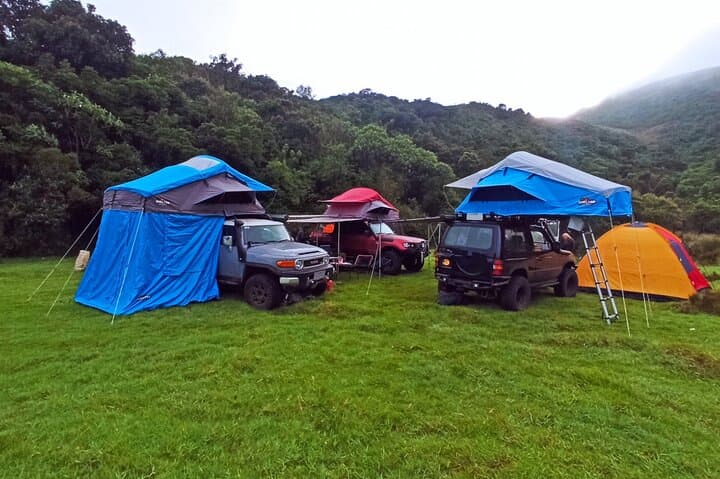
Practical edge: sleep in roof tents provided by the operator, layer for cold nights and sun by day, and drink extra water to help acclimatize. Footwear with a firm sole and gaiter-friendly cuffs is useful for peat and boggy sections. Schedule this trip with a full day in Quito beforehand to rest, and bring cash for small community purchases.
The route balances scenery and cultural exchange—mornings for hiking and afternoons for meeting locals—making it a compact, high-altitude immersion in Ecuador’s páramo.
moderate.
3 days.
Moderate—comfortable walking 6–10 km per day at high elevation; prior short-hike experience helpful
Camps and trails range roughly 3,200–3,800 m; some travelers feel mild symptoms—headache, shortness of breath—so acclimatize in Quito and hydrate well.
The tour uses roof tents at a modern shelter camp with communal facilities; meals are included and camping is semi-supported rather than backcountry self-sufficient.
Breakfast, lunch and dinner over the 3 days are included; bring a refillable bottle—treatments or boiled water are typically provided by staff for drinking.
Not recommended for travelers with serious spinal, heart, or pregnancy concerns; the trip requires moderate walking and some uneven ground, so mobility limitations may make participation difficult.
This highland landscape has long been used by Andean communities for grazing and seasonal rites; stone foundations and communal paths reflect centuries of occupation.
The páramo is a fragile carbon-rich ecosystem—stick to trails, avoid trampling peat, and support local tourism initiatives that fund conservation.
Shelter Overland Experience operates guided outdoor trips and adventures with an emphasis on safety, stewardship, and memorable experiences.
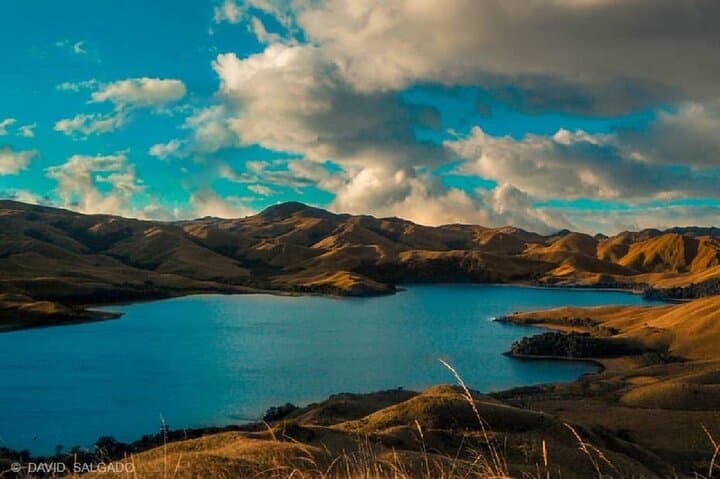
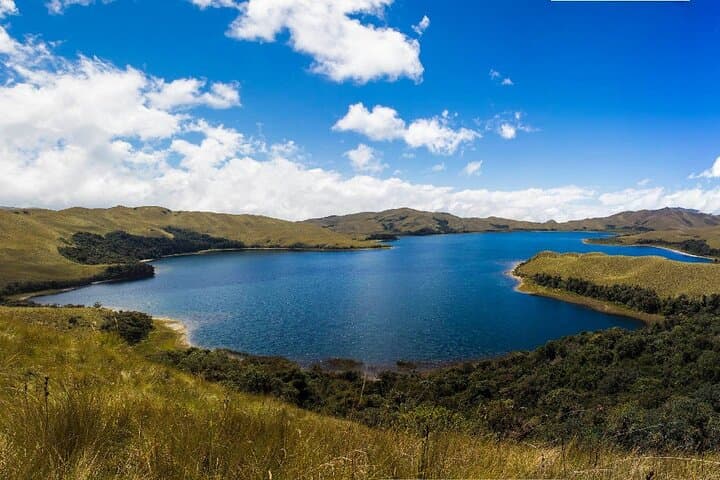
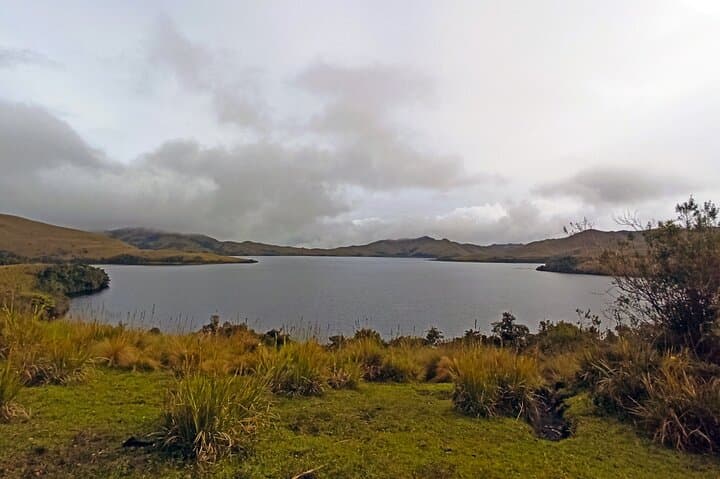
At first light the overland truck winds up out of Atuntaqui, and the páramo opens like a high plain that exhales cold and light. The Lagunas de Piñan sit above tree line, shallow basins of water and peat that reflect a sky that seems closer here; wind teases at jacket hems and pushes you toward each rim for another view.
At first light the overland truck winds up out of Atuntaqui, and the páramo opens like a high plain that exhales cold and light. The Lagunas de Piñan sit above tree line, shallow basins of water and peat that reflect a sky that seems closer here; wind teases at jacket hems and pushes you toward each rim for another view.
This pocket of the Cotacachi–Cayapas landscape is shaped by volcanic and glacial forces: old lava flows and moraine draft low basins that hold the lagoons, and peat soils rug the ground in spongy tussocks. Human history is present in stone foundations and the Piñan community’s grazing paths; local families have managed livestock and built ancestral structures here for generations, keeping highland crafts and oral histories alive.
Expect open grassland, occasional wet hollows, and rocky approaches near the larger lakes. Typical day hikes cover 6–10 km with short elevation changes—plan for 200–500 m of occasional gain—but the real challenge is altitude: camps sit around 3,200–3,800 m.
Practical edge: sleep in roof tents provided by the operator, layer for cold nights and sun by day, and drink extra water to help acclimatize. Footwear with a firm sole and gaiter-friendly cuffs is useful for peat and boggy sections. Schedule this trip with a full day in Quito beforehand to rest, and bring cash for small community purchases.
The route balances scenery and cultural exchange—mornings for hiking and afternoons for meeting locals—making it a compact, high-altitude immersion in Ecuador’s páramo.