THE ADVENTURE COLLECTIVE® · Independent discovery and booking for outdoor travel

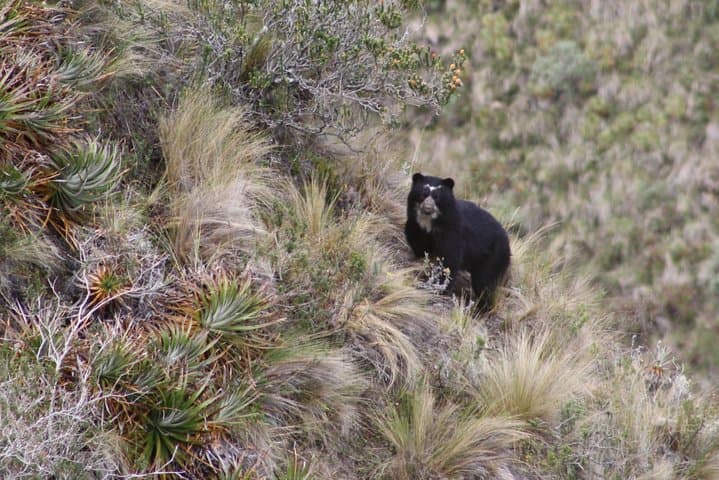
High-altitude birding and sweeping Antisana views define this private visit to Chakana Reserve. Expect condors over dry páramo, lakes with waterfowl, and the chance — with luck — to spot a spectacled bear.
High-altitude birding and sweeping Antisana views define this private visit to Chakana Reserve. Expect condors over dry páramo, lakes with waterfowl, and the chance — with luck — to spot a spectacled bear.
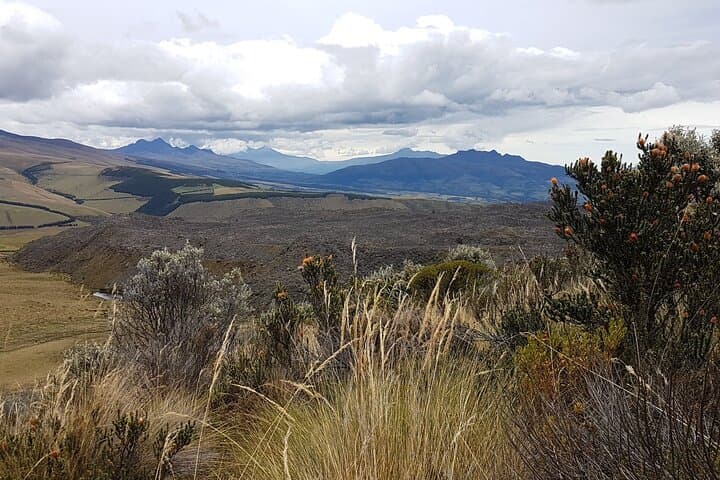
You step out of the vehicle into wind and thin air; the Antisana massif fills the horizon, its snow-cap sharper on clear mornings and softened by drifting clouds by noon.
Verified experiences and guided adventures in the surrounding area.
Operated by CUSCUNGA TOURS · Quito, Pichincha
You step out of the vehicle into wind and thin air; the Antisana massif fills the horizon, its snow-cap sharper on clear mornings and softened by drifting clouds by noon.
The Chakana Reserve sits on high páramo above the Amazon watershed, a landscape of tussock grasses, volcanic rock, and scattered wetlands that feed mirror-like lagoons. Geologically Antisana is a stratovolcano whose glacially carved valleys and moraines shape the reserve’s lakes and ridgelines. Historically the highlands were seasonal grazing and ritual landscapes for Andean peoples; today the area is managed to protect bird habitat and fragile hydrology.
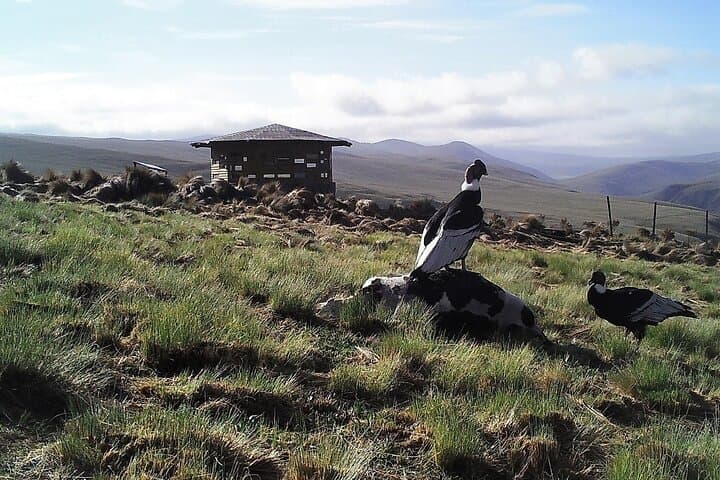
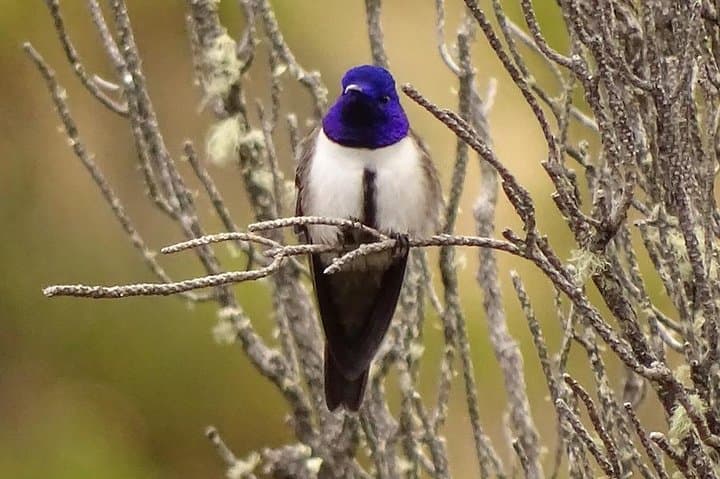
On a guided walk you’ll cross dry páramo, scan cliff ledges for Andean Condors, and peer into reed-fringed lakes for Silvery Grebe and Black-faced Ibis. The Ecuadorian Hillstar — a highland hummingbird — darts between cushion plants, while with luck a spectacled bear appears at the edge of the forest. Guides interpret species behavior and local culture; meals are often simple, warm fare suited to the altitude.
Practicalities: expect 4–7 hours on a private excursion with included entrance fee, guide, lunch, and transport from Quito. Altitudes commonly range above 3,500 m — move slowly the first hour, hydrate well and carry layers for sun, wind, and rain. Footing is uneven and can be boggy near lagoons; sturdy, waterproof shoes and binoculars will improve the experience. Morning light is best for bird activity and clear views of Antisana, so plan to be on the reserve early.
easy.
4–7 hours.
Suitable for most fitness levels but requires tolerance for high altitude and several hours of standing or moderate walking.
The reserve sits mainly above 3,500 m; many visitors notice shortness of breath or fatigue—pace yourself, hydrate, and avoid heavy exertion the first hour.
Common sightings include Andean Condor, Black-faced Ibis, Ecuadorian Hillstar and various waterfowl such as Silvery Grebe; spectacled bear sightings are rare but possible.
Yes — private transportation, entrance to Chakana Reserve, a private guide and lunch are included with this excursion.
The private excursion typically lasts 4–7 hours with short to moderate walking on uneven páramo terrain and lakeshore paths.
The high Andean páramo has long been used by indigenous communities for grazing and ritual; contemporary reserves protect these landscapes and traditional uses while conserving water sources.
The páramo is a fragile water-regulating ecosystem; stay on trails, pack out waste, and follow guide instructions to minimize disturbance.
CUSCUNGA TOURS operates guided outdoor trips and adventures with an emphasis on safety, stewardship, and memorable experiences.
You step out of the vehicle into wind and thin air; the Antisana massif fills the horizon, its snow-cap sharper on clear mornings and softened by drifting clouds by noon.
You step out of the vehicle into wind and thin air; the Antisana massif fills the horizon, its snow-cap sharper on clear mornings and softened by drifting clouds by noon.
The Chakana Reserve sits on high páramo above the Amazon watershed, a landscape of tussock grasses, volcanic rock, and scattered wetlands that feed mirror-like lagoons. Geologically Antisana is a stratovolcano whose glacially carved valleys and moraines shape the reserve’s lakes and ridgelines. Historically the highlands were seasonal grazing and ritual landscapes for Andean peoples; today the area is managed to protect bird habitat and fragile hydrology.
On a guided walk you’ll cross dry páramo, scan cliff ledges for Andean Condors, and peer into reed-fringed lakes for Silvery Grebe and Black-faced Ibis. The Ecuadorian Hillstar — a highland hummingbird — darts between cushion plants, while with luck a spectacled bear appears at the edge of the forest. Guides interpret species behavior and local culture; meals are often simple, warm fare suited to the altitude.
Practicalities: expect 4–7 hours on a private excursion with included entrance fee, guide, lunch, and transport from Quito. Altitudes commonly range above 3,500 m — move slowly the first hour, hydrate well and carry layers for sun, wind, and rain. Footing is uneven and can be boggy near lagoons; sturdy, waterproof shoes and binoculars will improve the experience. Morning light is best for bird activity and clear views of Antisana, so plan to be on the reserve early.