THE ADVENTURE COLLECTIVE® · Independent discovery and booking for outdoor travel

Soar above Pamukkale’s white travertine terraces and the ruins of Hierapolis on a tandem paraglide. Short but intense, this flight pairs geological wonder with a precise, safety-first experience.
Soar above Pamukkale’s white travertine terraces and the ruins of Hierapolis on a tandem paraglide. Short but intense, this flight pairs geological wonder with a precise, safety-first experience.
You clip into the harness, feel the hill beneath your running shoes, and the world tilts as the wing fills above you. The travertine terraces of Pamukkale—white, ribbed shelves formed by mineral-rich spring water—fall away beneath your feet and the ruins of ancient Hierapolis spread like a map. Wind carries the warmth of the thermal pools and the pilot radios calm instructions; for ten intense minutes the landscape guides you.
Verified experiences and guided adventures in the surrounding area.
Operated by First Temple Travel Agency · Pamukkale, Denizli Province
You clip into the harness, feel the hill beneath your running shoes, and the world tilts as the wing fills above you. The travertine terraces of Pamukkale—white, ribbed shelves formed by mineral-rich spring water—fall away beneath your feet and the ruins of ancient Hierapolis spread like a map. Wind carries the warmth of the thermal pools and the pilot radios calm instructions; for ten intense minutes the landscape guides you.
This ridge-top launch sits over thousands of years of geological work: calcium carbonate deposited by hot springs built the terraces that Ottoman-era visitors and Roman bathers later used as a spa landscape. Hierapolis, founded in the 2nd century BCE, adds tombstones and a theater to the view, reminding you this is both natural lab and archaeological stage.
Local culture here is pragmatic—small vendors, tour guides, and conservation staff all balance access with protection of the fragile travertines. Pilots are typically tandem-certified and brief you on takeoff, flight profile, and landing procedures.
Practical guidance: flights are short (the airtime is usually about 10 minutes) but require a brief run and moderate fitness; weight and health restrictions apply. Book morning slots for gentler thermals and clearer views; afternoons bring stronger winds and more turbulence. Wear sturdy, closed shoes, bring sun protection and a small camera on a secure strap, and expect an optional charge for photos or video. Operators cancel in bad weather for safety—confirm pickup and insurance details in advance. After landing, take time to walk the designated paths through the terraces to experience the springs on foot and respect the conservation rules that keep Pamukkale airborne-ready for others.
moderate.
1–2 hours (10 minutes airtime).
You should be able to run a few steps and stand for short periods; moderate fitness required.
Airtime is typically around 8–12 minutes; total door-to-door time depends on pickup and briefing and usually takes 1–2 hours.
Yes—operators set maximum and minimum weight limits and age requirements; disclose exact weight and travel documents when booking.
Flights are canceled or rescheduled for high winds, rain, or poor visibility; bookings usually allow refunds if canceled 24 hours prior or by the operator for weather.
No—this is a tandem flight with a certified pilot; you only need to follow the safety briefing and be able to run a few steps for takeoff.
Hierapolis was an ancient spa city established in the Hellenistic period; Roman and Byzantine phases left the theater, necropolis, and bath complex visible from above.
The travertine terraces are fragile calcium formations; visitors must stick to designated paths and avoid soaps or lotions in thermal waters to preserve the deposits.
First Temple Travel Agency operates guided outdoor trips and adventures with an emphasis on safety, stewardship, and memorable experiences.
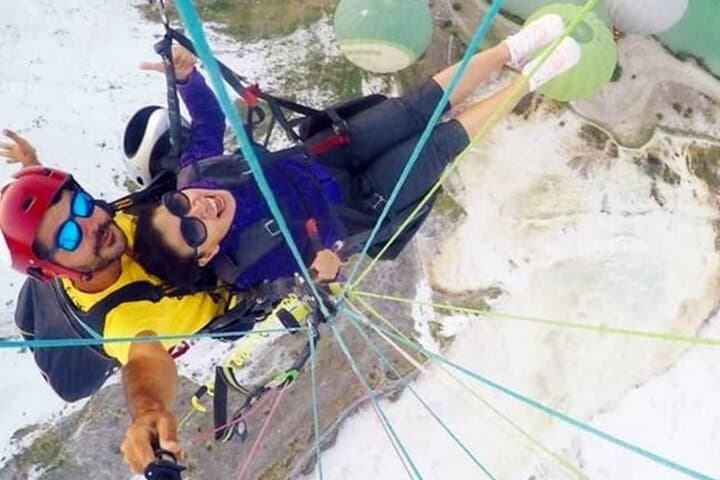
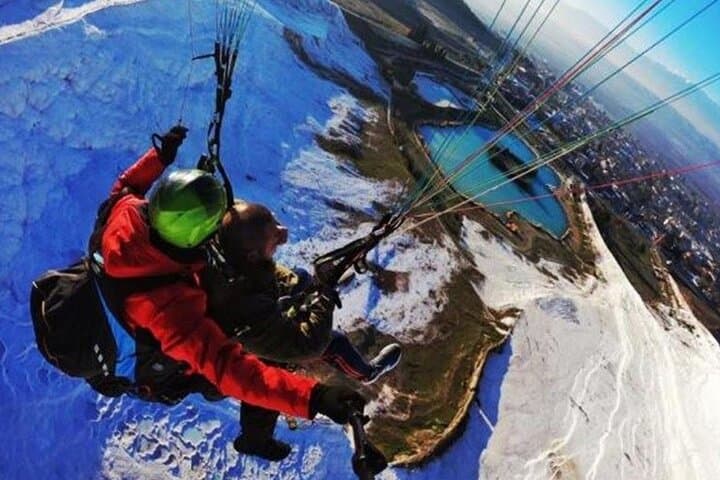
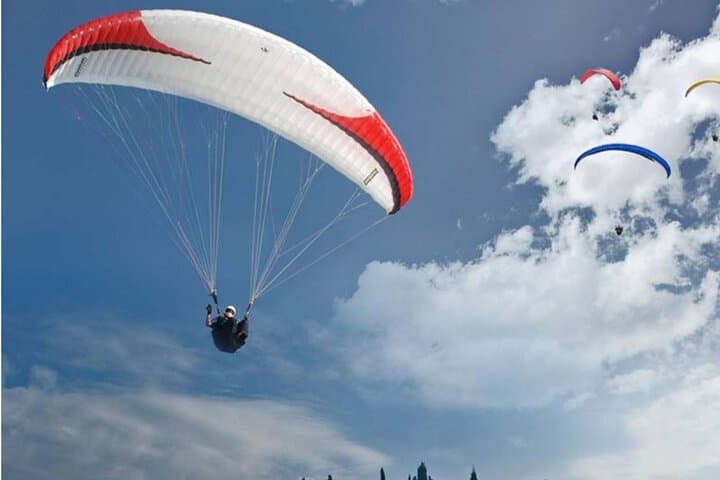
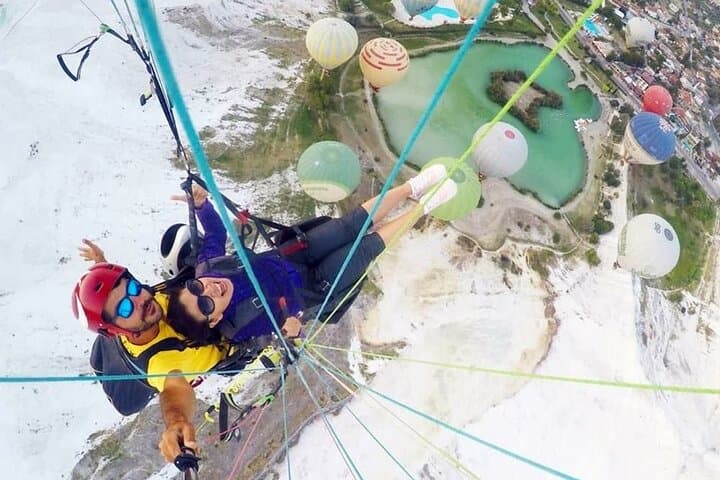
You clip into the harness, feel the hill beneath your running shoes, and the world tilts as the wing fills above you. The travertine terraces of Pamukkale—white, ribbed shelves formed by mineral-rich spring water—fall away beneath your feet and the ruins of ancient Hierapolis spread like a map. Wind carries the warmth of the thermal pools and the pilot radios calm instructions; for ten intense minutes the landscape guides you.
You clip into the harness, feel the hill beneath your running shoes, and the world tilts as the wing fills above you. The travertine terraces of Pamukkale—white, ribbed shelves formed by mineral-rich spring water—fall away beneath your feet and the ruins of ancient Hierapolis spread like a map. Wind carries the warmth of the thermal pools and the pilot radios calm instructions; for ten intense minutes the landscape guides you.
This ridge-top launch sits over thousands of years of geological work: calcium carbonate deposited by hot springs built the terraces that Ottoman-era visitors and Roman bathers later used as a spa landscape. Hierapolis, founded in the 2nd century BCE, adds tombstones and a theater to the view, reminding you this is both natural lab and archaeological stage.
Local culture here is pragmatic—small vendors, tour guides, and conservation staff all balance access with protection of the fragile travertines. Pilots are typically tandem-certified and brief you on takeoff, flight profile, and landing procedures.
Practical guidance: flights are short (the airtime is usually about 10 minutes) but require a brief run and moderate fitness; weight and health restrictions apply. Book morning slots for gentler thermals and clearer views; afternoons bring stronger winds and more turbulence. Wear sturdy, closed shoes, bring sun protection and a small camera on a secure strap, and expect an optional charge for photos or video. Operators cancel in bad weather for safety—confirm pickup and insurance details in advance. After landing, take time to walk the designated paths through the terraces to experience the springs on foot and respect the conservation rules that keep Pamukkale airborne-ready for others.