THE ADVENTURE COLLECTIVE® · Independent discovery and booking for outdoor travel

Soar from Pedra Bonita over São Conrado and Barra da Tijuca with an instructor and HD 360° footage. This tandem paragliding experience pairs a short briefing and transfer with a dramatic aerial view of Rio’s coastline and landmarks.
Soar from Pedra Bonita over São Conrado and Barra da Tijuca with an instructor and HD 360° footage. This tandem paragliding experience pairs a short briefing and transfer with a dramatic aerial view of Rio’s coastline and landmarks.
You stand at the ramp on Pedra Bonita, wind pushing at your nylon wing while the city drops away beneath you: the green slope of Tijuca Forest, the small white arc of São Conrado beach, and the distant crown of Christ the Redeemer. The instructor clips the harness; cameras come alive. Then you run and the sky receives you.
Verified experiences and guided adventures in the surrounding area.
Operated by Xtreme Adventures · Rio de Janeiro, Rio de Janeiro
You stand at the ramp on Pedra Bonita, wind pushing at your nylon wing while the city drops away beneath you: the green slope of Tijuca Forest, the small white arc of São Conrado beach, and the distant crown of Christ the Redeemer. The instructor clips the harness; cameras come alive. Then you run and the sky receives you.
Paragliding in Rio uses natural ridgeline lifts above the Tijuca massif. Flights launched from roughly 520 meters above sea level have been popular since the 1980s as sport aviation grew in Brazil. Geologically, you’re above old granite domes—Pedra Bonita and Pedra da Gávea—eroded into steep faces that shape reliable coastal thermals. Culturally, the view stitches beaches, favelas and cityscape into a lived Rio panorama: working neighborhoods like Rocinha are visible as human texture beneath the wing.
Expect 15–30 minutes of actual airtime within a two-hour window that includes briefing, gearing and transfer. Terrain at takeoff is grassy slope with a short run; landing is typically on sand at São Conrado beach. Mornings are preferred for stable air; afternoons bring sea breezes and occasional showers.
Practical notes: bring sturdy trainers for the short run, a windproof layer and sun protection. Weight and health restrictions apply—disclose height and weight in booking. Cameras are provided and digital media are usually transferred to your phone after landing. For photographers and first-time flyers alike, this tandem option delivers a dramatic, low-effort way to experience Rio from above while keeping safety and local flight etiquette front and center.
moderate.
2 hours.
Light to moderate — able to jog a few steps for takeoff and follow instructor commands; no advanced fitness required
Actual airtime typically ranges 15–30 minutes; the full activity including briefing, transfer and prep is about 2 hours.
Tandem paragliding with experienced instructors is designed for beginners; safety briefings, harness systems and professional pilots minimize risk, but follow instructions closely.
Infants may ride but must sit on an adult’s lap; the operator does not recommend participation for pregnant travelers—always check booking requirements.
Flights are canceled for unsafe conditions; the operator will reschedule or refund if you cancel at least 24 hours before departure per their policy.
Pedra Bonita and the surrounding Tijuca Forest were important in Rio’s early recreational aviation history; local clubs have run tandem launches here since sport paragliding expanded in the late 20th century.
The launch and landing zones sit adjacent to Tijuca National Park—respect marked trails, avoid trampling native plants and take all trash back to town to protect this urban forest.
Xtreme Adventures operates guided outdoor trips and adventures with an emphasis on safety, stewardship, and memorable experiences.
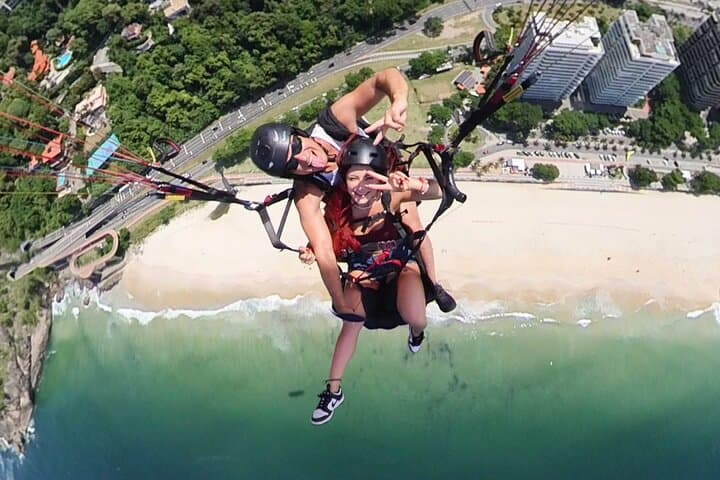
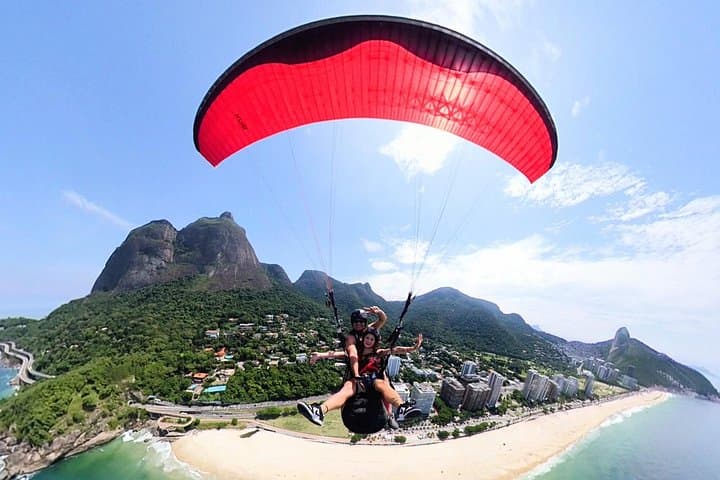
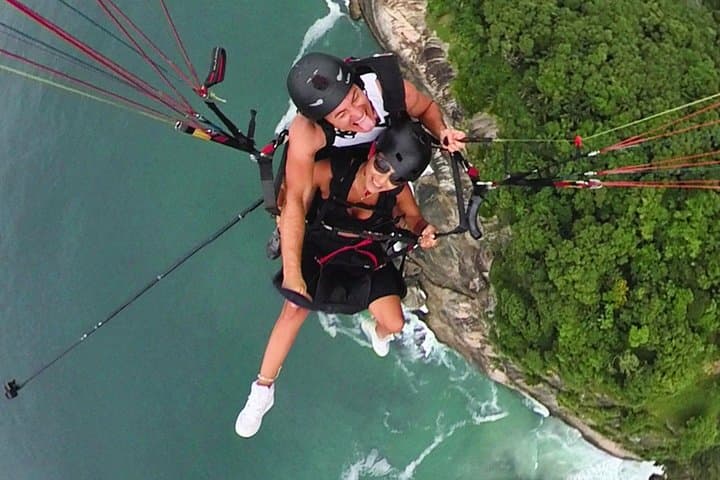
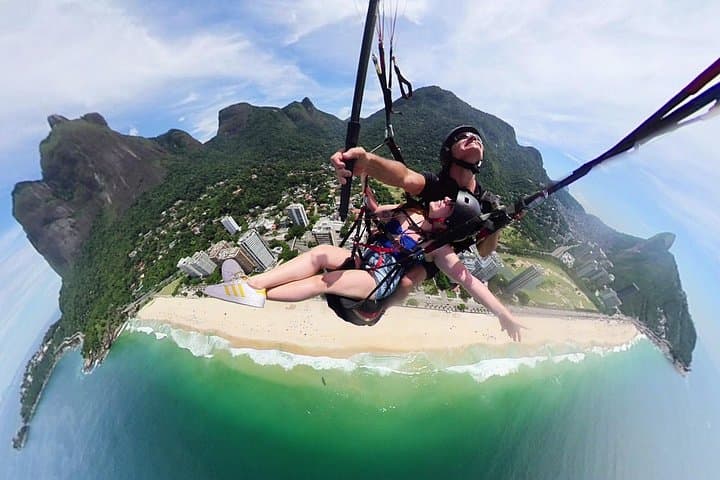
You stand at the ramp on Pedra Bonita, wind pushing at your nylon wing while the city drops away beneath you: the green slope of Tijuca Forest, the small white arc of São Conrado beach, and the distant crown of Christ the Redeemer. The instructor clips the harness; cameras come alive. Then you run and the sky receives you.
You stand at the ramp on Pedra Bonita, wind pushing at your nylon wing while the city drops away beneath you: the green slope of Tijuca Forest, the small white arc of São Conrado beach, and the distant crown of Christ the Redeemer. The instructor clips the harness; cameras come alive. Then you run and the sky receives you.
Paragliding in Rio uses natural ridgeline lifts above the Tijuca massif. Flights launched from roughly 520 meters above sea level have been popular since the 1980s as sport aviation grew in Brazil. Geologically, you’re above old granite domes—Pedra Bonita and Pedra da Gávea—eroded into steep faces that shape reliable coastal thermals. Culturally, the view stitches beaches, favelas and cityscape into a lived Rio panorama: working neighborhoods like Rocinha are visible as human texture beneath the wing.
Expect 15–30 minutes of actual airtime within a two-hour window that includes briefing, gearing and transfer. Terrain at takeoff is grassy slope with a short run; landing is typically on sand at São Conrado beach. Mornings are preferred for stable air; afternoons bring sea breezes and occasional showers.
Practical notes: bring sturdy trainers for the short run, a windproof layer and sun protection. Weight and health restrictions apply—disclose height and weight in booking. Cameras are provided and digital media are usually transferred to your phone after landing. For photographers and first-time flyers alike, this tandem option delivers a dramatic, low-effort way to experience Rio from above while keeping safety and local flight etiquette front and center.