THE ADVENTURE COLLECTIVE® · Independent discovery and booking for outdoor travel

Launch from a ridge above Pokhara and float between the Pame valley and the Annapurna skyline on a tandem paraglide. This guided 2–3 hour experience includes hotel pickup, safety briefing, and photo/video options—best in clear spring and autumn mornings.
Launch from a ridge above Pokhara and float between the Pame valley and the Annapurna skyline on a tandem paraglide. This guided 2–3 hour experience includes hotel pickup, safety briefing, and photo/video options—best in clear spring and autumn mornings.
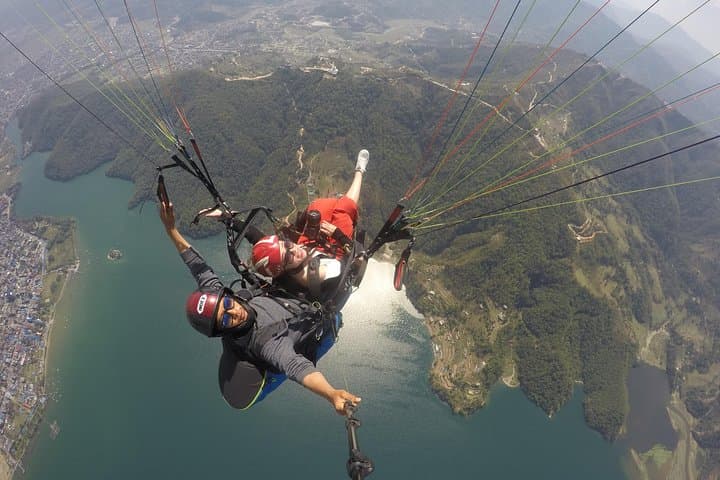
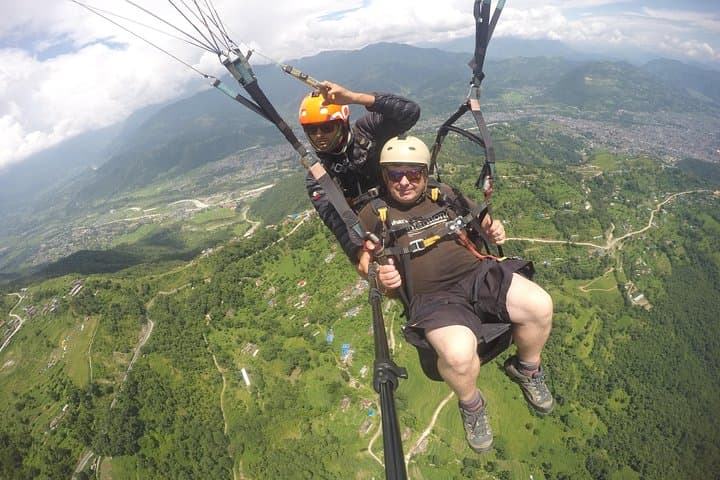
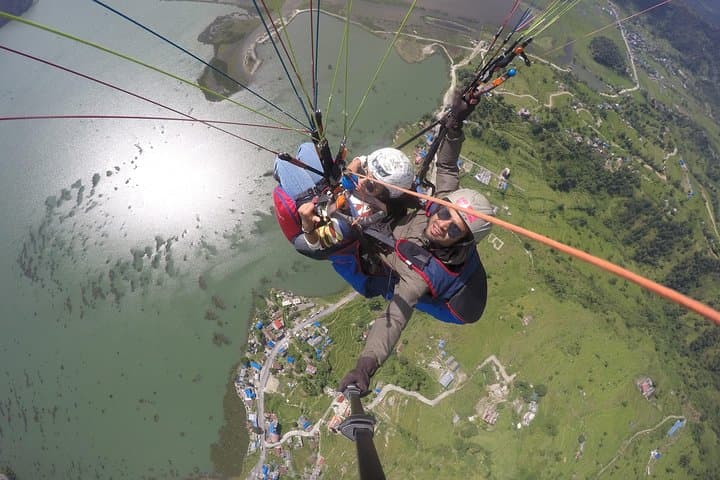
You lift off from a grassy ridge and the world unfolds: Phewa Lake gleams below, the Pame valley folds away to the east-south, and the Annapurna massif chisels a jagged horizon to the north. Wind picks you up like an expectant hand; for 90 minutes the air becomes the route and the pilot your translator.
Verified experiences and guided adventures in the surrounding area.
Operated by Fly Nirvana Paragliding · Pokhara, Gandaki Province
You lift off from a grassy ridge and the world unfolds: Phewa Lake gleams below, the Pame valley folds away to the east-south, and the Annapurna massif chisels a jagged horizon to the north. Wind picks you up like an expectant hand; for 90 minutes the air becomes the route and the pilot your translator.
Paragliding around Pokhara takes place from hillside launch sites—Toripani and nearby ridgelines used for decades—along air currents formed by the Himalayas’ dramatic topography. The Annapurna range is young, tectonically pushed upward, and its steep faces create thermals pilots read as a living map. Culturally, the flying scene grew in the 1990s alongside adventure tourism, connecting local Gurung communities and guides to a new economy built on mountain access.
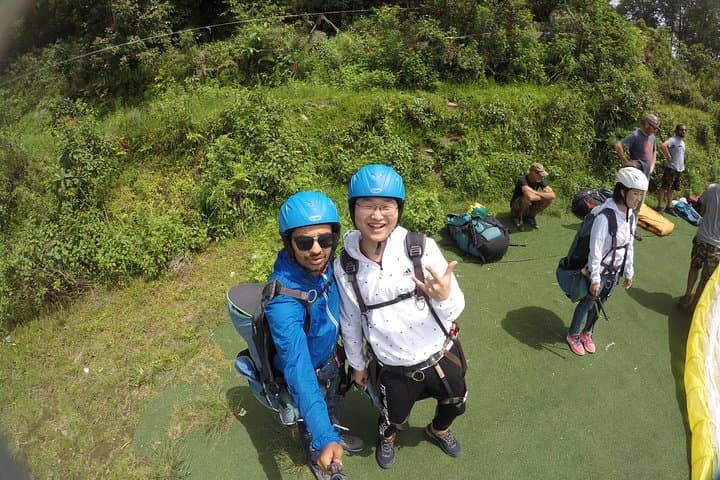
Practicalities: most flights are tandem with certified pilots; operators provide pickup from hotels, equipment, and photo/video packages. Expect hotel transfer, a short ground briefing, a van ride to launch, a run-and-rise takeoff (assisted), and a controlled landing with staff waiting. Flights run about 2–3 hours total door-to-door and 20–40 minutes airtime depending on conditions. Maximum weight is typically 100 kg; pregnant travelers and people with serious back/neck issues should not fly. Dress in layers, wear sturdy trainers, and bring sunglasses and a secure phone or camera mount.
Weather rules the schedule—clear mornings or late afternoons are best outside the monsoon—so plan flexibility into your visit. Respect landing zones and local briefings: the landscape responds to human presence, and the safest flights are the ones that balance boldness with technique.
easy.
2–3 hours.
Basic mobility is required—be able to run a few steps for takeoff and stand for a short safety briefing; no special fitness needed.
Airtime typically runs 20–40 minutes depending on wind and thermal conditions; the full experience including briefing and transfers is about 2–3 hours.
Most operators accept passengers from early teens up to a maximum weight around 100 kg; age and exact limits vary by company, so check when booking.
Flights are canceled in unsafe wind or rain; operators usually offer a full refund if canceled at least 24 hours before or reschedule based on availability.
No — flights are tandem with a certified pilot, and no prior paragliding skill is required; basic mobility for takeoff and landing is necessary.
Paragliding grew in Pokhara in the 1990s as adventure tourism expanded; pilots now use traditional ridgelines and valleys created by the rising Himalayas.
Operators emphasize staying on marked paths, respecting landing zones, and minimizing noise and litter; local communities depend on sustainable adventure tourism.
Fly Nirvana Paragliding operates guided outdoor trips and adventures with an emphasis on safety, stewardship, and memorable experiences.
You lift off from a grassy ridge and the world unfolds: Phewa Lake gleams below, the Pame valley folds away to the east-south, and the Annapurna massif chisels a jagged horizon to the north. Wind picks you up like an expectant hand; for 90 minutes the air becomes the route and the pilot your translator.
You lift off from a grassy ridge and the world unfolds: Phewa Lake gleams below, the Pame valley folds away to the east-south, and the Annapurna massif chisels a jagged horizon to the north. Wind picks you up like an expectant hand; for 90 minutes the air becomes the route and the pilot your translator.
Paragliding around Pokhara takes place from hillside launch sites—Toripani and nearby ridgelines used for decades—along air currents formed by the Himalayas’ dramatic topography. The Annapurna range is young, tectonically pushed upward, and its steep faces create thermals pilots read as a living map. Culturally, the flying scene grew in the 1990s alongside adventure tourism, connecting local Gurung communities and guides to a new economy built on mountain access.
Practicalities: most flights are tandem with certified pilots; operators provide pickup from hotels, equipment, and photo/video packages. Expect hotel transfer, a short ground briefing, a van ride to launch, a run-and-rise takeoff (assisted), and a controlled landing with staff waiting. Flights run about 2–3 hours total door-to-door and 20–40 minutes airtime depending on conditions. Maximum weight is typically 100 kg; pregnant travelers and people with serious back/neck issues should not fly. Dress in layers, wear sturdy trainers, and bring sunglasses and a secure phone or camera mount.
Weather rules the schedule—clear mornings or late afternoons are best outside the monsoon—so plan flexibility into your visit. Respect landing zones and local briefings: the landscape responds to human presence, and the safest flights are the ones that balance boldness with technique.