THE ADVENTURE COLLECTIVE® · Independent discovery and booking for outdoor travel

Lift off from Sarangkot and glide over Fewa Lake with uninterrupted views of the Annapurna range. This short but unforgettable flight pairs calm takeoffs with panoramic sky time ideal for first-time flyers and experienced adventurers alike.
Lift off from Sarangkot and glide over Fewa Lake with uninterrupted views of the Annapurna range. This short but unforgettable flight pairs calm takeoffs with panoramic sky time ideal for first-time flyers and experienced adventurers alike.
You climb the dusty ridge at Sarangkot as the valley wakes; wind teases the grass and then takes hold, lifting your harness until the town below becomes a model and Fewa Lake a bright coin. The first yards of lift are a quiet jolt—then the world opens and the Annapurna massif arranges itself like a wall of white across the horizon.
Verified experiences and guided adventures in the surrounding area.
Operated by Cloudbase Paragliding Nepal · Pokhara, Gandaki Province
You climb the dusty ridge at Sarangkot as the valley wakes; wind teases the grass and then takes hold, lifting your harness until the town below becomes a model and Fewa Lake a bright coin. The first yards of lift are a quiet jolt—then the world opens and the Annapurna massif arranges itself like a wall of white across the horizon.
Pokhara sits in a glacially sculpted basin carved by rivers and time, long a trade and Gurung cultural crossroads before adventure tourism arrived. From the air you read the geology in layers: the flat lake basin, the steep valley walls, the serrated silhouette of Machapuchare and Annapurna shaped by uplift and ice.
A typical commercial flight runs about 15–30 minutes in the sky with total tour time near two hours including transfers and briefing. Pilots launch from Sarangkot or nearby ridgelines when thermals cooperate; mornings are generally more stable, evenings can offer long golden angles. Operators often include pick-up from central Pokhara and optional photos or video.
Practical edge: check weight limits and booking details, arrive with closed-toe shoes and a light windbreaker, and expect a short run at launch and a gentle—sometimes brisk—landing on grass. Bring a secure camera or use the operator’s multimedia package to capture panoramic Himalaya faces that will not show their scale from shore.
For first-timers this is accessible: the physical demands are low but situational awareness matters—watch the weather, trust the pilot, and let the wind do its work; it will push you forward and briefly let you fly like a bird.
easy.
2 hours (total); 15–30 minutes in the air.
Suitable for people who can walk short distances and stand for brief periods—no special fitness required
Sky time typically ranges from 15 to 30 minutes depending on weather and lift—total experience including transport and briefing is about 2 hours.
Yes—operators require passengers to declare weight and may have minimum/maximum limits; children can often fly with parental consent and infant seats are sometimes available for ground transfers.
Flights are canceled in unsafe conditions; most vendors offer full refunds or rescheduling if you cancel at least 24 hours ahead or if the pilot cancels due to weather.
No prior paragliding experience is required—this is a tandem flight with a licensed pilot who handles launch, flight, and landing.
Pokhara has long been a trade and Gurung cultural hub and later became the gateway for expeditions into the Annapurna massif.
Stick to marked trails at launch and landing sites, avoid single-use plastics, and choose operators that follow local waste and noise-minimization practices.
Cloudbase Paragliding Nepal operates guided outdoor trips and adventures with an emphasis on safety, stewardship, and memorable experiences.
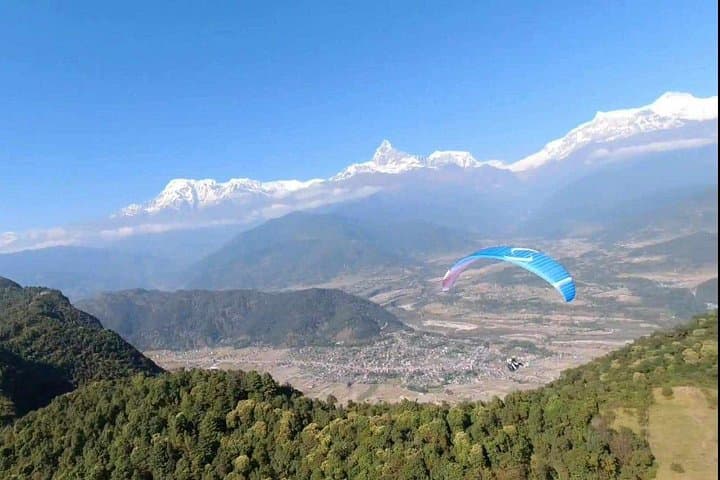
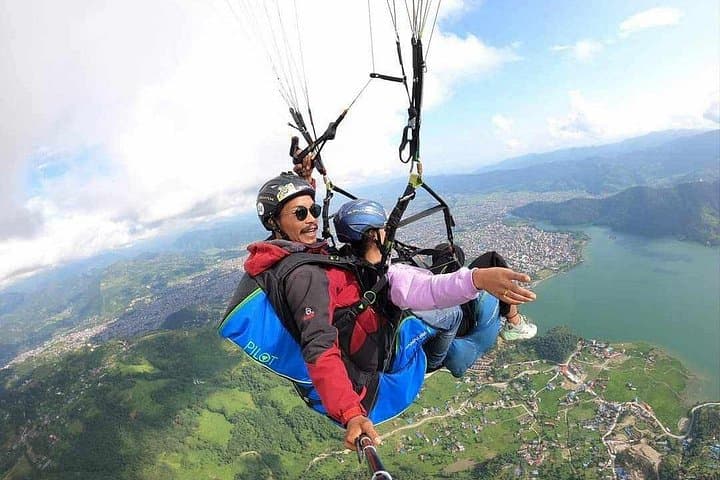
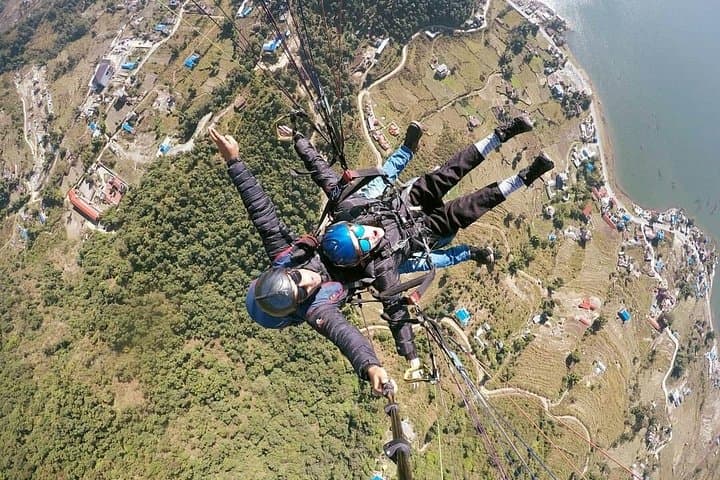
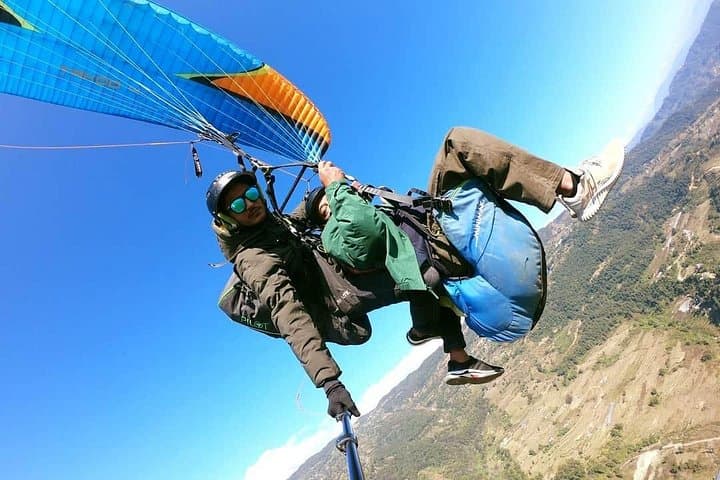
You climb the dusty ridge at Sarangkot as the valley wakes; wind teases the grass and then takes hold, lifting your harness until the town below becomes a model and Fewa Lake a bright coin. The first yards of lift are a quiet jolt—then the world opens and the Annapurna massif arranges itself like a wall of white across the horizon.
You climb the dusty ridge at Sarangkot as the valley wakes; wind teases the grass and then takes hold, lifting your harness until the town below becomes a model and Fewa Lake a bright coin. The first yards of lift are a quiet jolt—then the world opens and the Annapurna massif arranges itself like a wall of white across the horizon.
Pokhara sits in a glacially sculpted basin carved by rivers and time, long a trade and Gurung cultural crossroads before adventure tourism arrived. From the air you read the geology in layers: the flat lake basin, the steep valley walls, the serrated silhouette of Machapuchare and Annapurna shaped by uplift and ice.
A typical commercial flight runs about 15–30 minutes in the sky with total tour time near two hours including transfers and briefing. Pilots launch from Sarangkot or nearby ridgelines when thermals cooperate; mornings are generally more stable, evenings can offer long golden angles. Operators often include pick-up from central Pokhara and optional photos or video.
Practical edge: check weight limits and booking details, arrive with closed-toe shoes and a light windbreaker, and expect a short run at launch and a gentle—sometimes brisk—landing on grass. Bring a secure camera or use the operator’s multimedia package to capture panoramic Himalaya faces that will not show their scale from shore.
For first-timers this is accessible: the physical demands are low but situational awareness matters—watch the weather, trust the pilot, and let the wind do its work; it will push you forward and briefly let you fly like a bird.