THE ADVENTURE COLLECTIVE® · Independent discovery and booking for outdoor travel

Launch from a grassy ridge above Solang Valley and float over Manali with a certified tandem pilot—15 minutes of clear-air views of the Beas River and snow-capped Pir Panjal. Book morning slots and expect cancellations in unstable weather.
Launch from a grassy ridge above Solang Valley and float over Manali with a certified tandem pilot—15 minutes of clear-air views of the Beas River and snow-capped Pir Panjal. Book morning slots and expect cancellations in unstable weather.
You step onto the grassy ridge as wind tugs at your jacket and the valley exhales below—Manali unfolds in tiers: orchards, the angling ribbon of the Beas River, and snow-grazed peaks that seem close enough to touch. The pilot runs; the canopy fills; for a heartbeat the slope is gone and you are suspended, the town shrinking into a neat map. The air here is crisp and insistent, pushing you forward.
Verified experiences and guided adventures in the surrounding area.
Operated by Mounty · Manali, Himachal Pradesh
You step onto the grassy ridge as wind tugs at your jacket and the valley exhales below—Manali unfolds in tiers: orchards, the angling ribbon of the Beas River, and snow-grazed peaks that seem close enough to touch. The pilot runs; the canopy fills; for a heartbeat the slope is gone and you are suspended, the town shrinking into a neat map. The air here is crisp and insistent, pushing you forward.
This part of the western Himalaya was carved by ancient glaciers and uplifted rivers; villages in Kullu and Manali retain hill-culture rhythms—wooden temples, apple orchards, and trade routes once used by mule caravans. Solang Valley, the common launch area for tandem flights, sits at about 2,500–3,000 m and offers reliable thermals in clear weather, producing long, smooth glides and expansive views of Pir Panjal and Pirang peaks.
Expect a 10–20 minute airborne experience for typical tandem bookings—enough time to take in the aerial sweep and photograph the Beas winding through the valley. Pilots handle inflation and landing; passengers should be able to run a few steps at takeoff and follow brief safety instructions. Common hazards are sudden gusts, quick temperature drops, and reduced visibility in monsoon months.
Practical tips: schedule flights mid-morning for stable lift, carry layered clothing and sun protection, and book with operators who provide helmets and certified tandem pilots. If conditions are marginal, operators will cancel for safety—plan your Manali itinerary with a weather buffer. Paragliding here is immediate and elemental: the valley invites you to fly, but it won’t forgive inattentive planning.
moderate.
15 minutes (typical flight); allow 1–2 hours total for meeting, safety briefing and transport.
Light to moderate—must be able to run for a few steps and sit in a harness; not suitable for those with serious back or heart issues
Tandem flights are typically 10–20 minutes in the air; total time with briefing, transport and landing can be 1–2 hours.
Most operators accept passengers from children (with guardian consent) to seniors; typical weight limits range from about 40–100 kg—check the operator’s specific limits when booking.
Flights are cancelled or rescheduled for safety in high winds, low cloud, or precipitation—operators usually refund or offer another slot when conditions improve.
No—tandem paragliding is flown with a certified pilot who manages launch and landing; passengers only follow basic instructions.
Kullu-Manali sits along ancient mountain routes connecting plains to Lahaul and Spiti; local culture blends mountain Hindu traditions with trading history and apple orchard agriculture.
Paragliding operators are encouraged to follow local guidelines to avoid disturbing nesting birds and to minimize litter on launch and landing sites; visitors should pack out all waste and respect grazing areas.
Mounty operates guided outdoor trips and adventures with an emphasis on safety, stewardship, and memorable experiences.
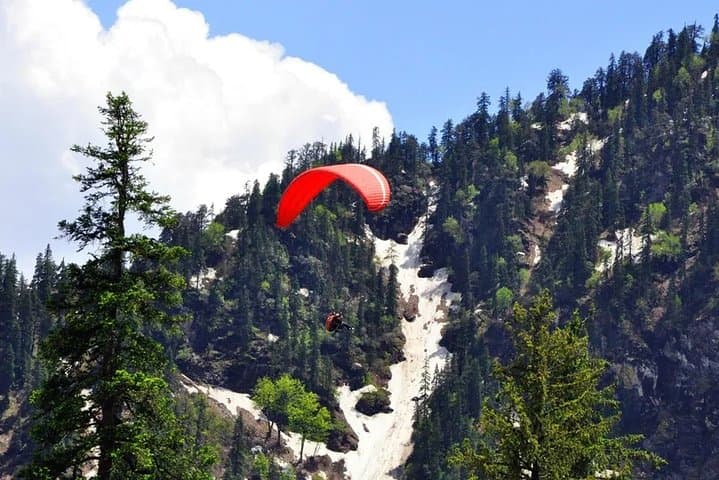
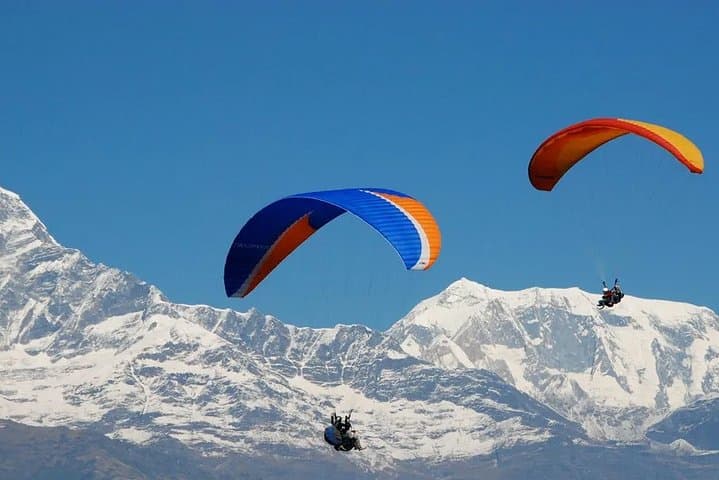
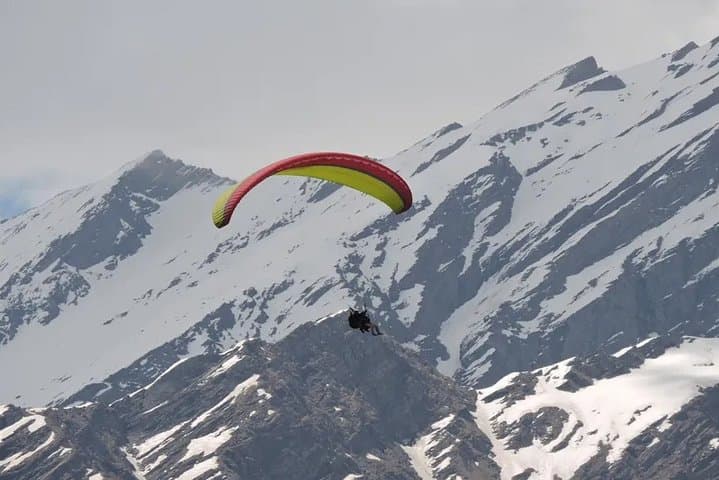
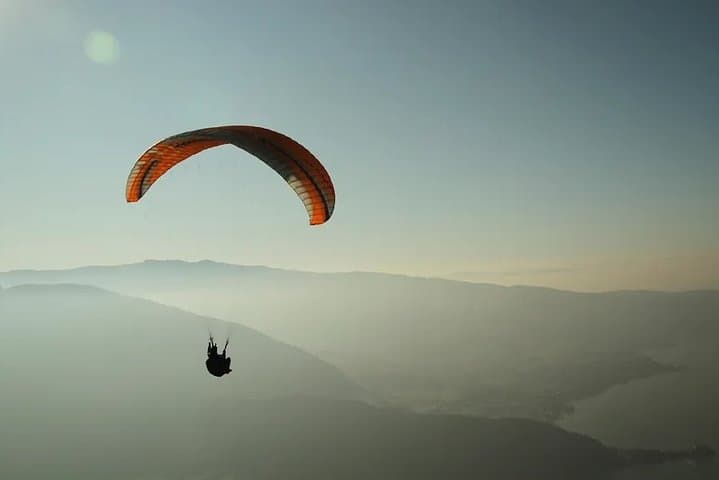
You step onto the grassy ridge as wind tugs at your jacket and the valley exhales below—Manali unfolds in tiers: orchards, the angling ribbon of the Beas River, and snow-grazed peaks that seem close enough to touch. The pilot runs; the canopy fills; for a heartbeat the slope is gone and you are suspended, the town shrinking into a neat map. The air here is crisp and insistent, pushing you forward.
You step onto the grassy ridge as wind tugs at your jacket and the valley exhales below—Manali unfolds in tiers: orchards, the angling ribbon of the Beas River, and snow-grazed peaks that seem close enough to touch. The pilot runs; the canopy fills; for a heartbeat the slope is gone and you are suspended, the town shrinking into a neat map. The air here is crisp and insistent, pushing you forward.
This part of the western Himalaya was carved by ancient glaciers and uplifted rivers; villages in Kullu and Manali retain hill-culture rhythms—wooden temples, apple orchards, and trade routes once used by mule caravans. Solang Valley, the common launch area for tandem flights, sits at about 2,500–3,000 m and offers reliable thermals in clear weather, producing long, smooth glides and expansive views of Pir Panjal and Pirang peaks.
Expect a 10–20 minute airborne experience for typical tandem bookings—enough time to take in the aerial sweep and photograph the Beas winding through the valley. Pilots handle inflation and landing; passengers should be able to run a few steps at takeoff and follow brief safety instructions. Common hazards are sudden gusts, quick temperature drops, and reduced visibility in monsoon months.
Practical tips: schedule flights mid-morning for stable lift, carry layered clothing and sun protection, and book with operators who provide helmets and certified tandem pilots. If conditions are marginal, operators will cancel for safety—plan your Manali itinerary with a weather buffer. Paragliding here is immediate and elemental: the valley invites you to fly, but it won’t forgive inattentive planning.