THE ADVENTURE COLLECTIVE® · Independent discovery and booking for outdoor travel

Step into a series of rooms that bend sight and scale—Paradox Museum Oslo offers 70+ interactive exhibits that translate perceptual science into playful, photo-ready installations. Ideal for families and curious travelers, the visit lasts about an hour and is easy to combine with central Oslo sights.
Step into a series of rooms that bend sight and scale—Paradox Museum Oslo offers 70+ interactive exhibits that translate perceptual science into playful, photo-ready installations. Ideal for families and curious travelers, the visit lasts about an hour and is easy to combine with central Oslo sights.
You step through a low-lit door and the rules that usually govern perception begin to wobble: floors lean, mirrors elongate, and a hallway seems to tilt toward the sea. Paradox Museum Oslo stages that small, disorienting thrill—interactive rooms and optical installations that invite you to test how the brain interprets light, scale, and motion.
Verified experiences and guided adventures in the surrounding area.
Operated by Paradox Museum Oslo · Oslo, Oslo
You step through a low-lit door and the rules that usually govern perception begin to wobble: floors lean, mirrors elongate, and a hallway seems to tilt toward the sea. Paradox Museum Oslo stages that small, disorienting thrill—interactive rooms and optical installations that invite you to test how the brain interprets light, scale, and motion.
The museum is part of an international wave of edutainment venues that translate scientific curiosities into hands-on exhibits. Located in central Oslo—city of fjords and granite ridges carved by ice—the experience ties into a long regional habit of blending design, public science, and approachable learning. While the exhibits themselves are modern constructions, they riff on centuries of visual experimentation that stretch from classical perspective studies to 20th-century perceptual psychology.
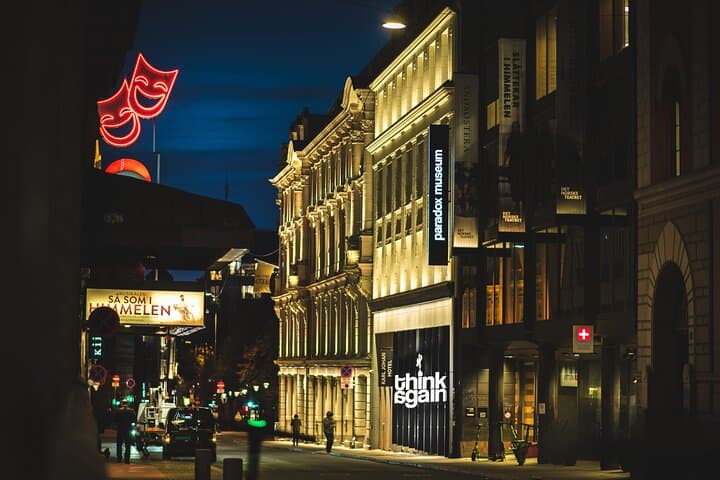
Culturally the visit fits into Oslo’s compact urban loop: short walks to waterfront promenades, sculpture parks, and waterfront cafés make this an easy stop between larger museums. Practical details are simple: expect about 60 minutes to move through 60+ stations, the site is wheelchair accessible, and mobile tickets are accepted.
For planning, aim for a weekday morning to avoid family crowds, bring a charged phone for photos (many installations are designed for striking selfies), and leave room for curiosity rather than a strict schedule—this is a place to slow perception down, not speed it up. It’s an indoor, low-exertion activity that rewards observation, playful testing, and a readiness to be surprised.
easy.
1 hour.
Suitable for all fitness levels; mostly standing and walking on flat surfaces
The standard visit is about 60 minutes; most visitors complete the exhibits in an hour but you can spend more time photographing and re-testing illusions.
No—exhibits are family-friendly and suitable for kids, though small children may need supervision at certain installations.
Yes—non-flash photography is generally allowed and many displays are designed for photos; follow staff instructions when signs prohibit shooting.
Yes—the venue notes wheelchair accessibility and is suitable for visitors with limited mobility, though some narrow exhibits may require assistance.
Paradox Museum is part of a modern international trend of interactive illusion museums that present perceptual science through hands-on exhibits in city centers.
As an indoor urban attraction, the site minimizes outdoor impact but visitors should follow rules to protect delicate installations and reduce waste—Oslo also emphasizes public transport and low-carbon travel between attractions.
Paradox Museum Oslo operates guided outdoor trips and adventures with an emphasis on safety, stewardship, and memorable experiences.
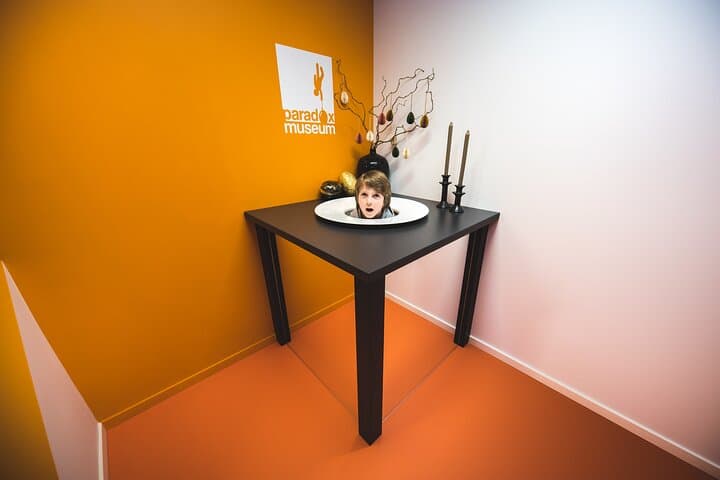
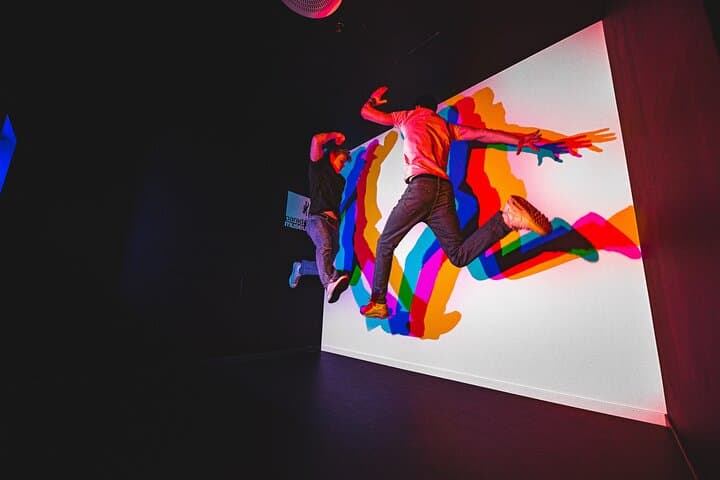
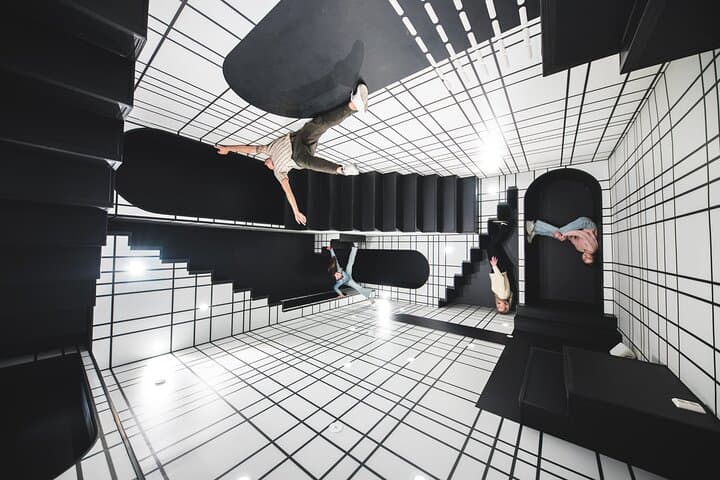
You step through a low-lit door and the rules that usually govern perception begin to wobble: floors lean, mirrors elongate, and a hallway seems to tilt toward the sea. Paradox Museum Oslo stages that small, disorienting thrill—interactive rooms and optical installations that invite you to test how the brain interprets light, scale, and motion.
You step through a low-lit door and the rules that usually govern perception begin to wobble: floors lean, mirrors elongate, and a hallway seems to tilt toward the sea. Paradox Museum Oslo stages that small, disorienting thrill—interactive rooms and optical installations that invite you to test how the brain interprets light, scale, and motion.
The museum is part of an international wave of edutainment venues that translate scientific curiosities into hands-on exhibits. Located in central Oslo—city of fjords and granite ridges carved by ice—the experience ties into a long regional habit of blending design, public science, and approachable learning. While the exhibits themselves are modern constructions, they riff on centuries of visual experimentation that stretch from classical perspective studies to 20th-century perceptual psychology.
Culturally the visit fits into Oslo’s compact urban loop: short walks to waterfront promenades, sculpture parks, and waterfront cafés make this an easy stop between larger museums. Practical details are simple: expect about 60 minutes to move through 60+ stations, the site is wheelchair accessible, and mobile tickets are accepted.
For planning, aim for a weekday morning to avoid family crowds, bring a charged phone for photos (many installations are designed for striking selfies), and leave room for curiosity rather than a strict schedule—this is a place to slow perception down, not speed it up. It’s an indoor, low-exertion activity that rewards observation, playful testing, and a readiness to be surprised.