THE ADVENTURE COLLECTIVE® · Independent discovery and booking for outdoor travel

A short drive north of Agadir leads to rocky gorges, palm groves and natural swimming pools. This half-day guided hike combines a local breakfast, a 20-minute walk to rock pools, and time to swim in a landscape shaped by water and volcanic rock.
A short drive north of Agadir leads to rocky gorges, palm groves and natural swimming pools. This half-day guided hike combines a local breakfast, a 20-minute walk to rock pools, and time to swim in a landscape shaped by water and volcanic rock.
The morning sun slices through palm fronds as the minivan climbs away from Agadir toward the folded ridges of the Atlas foothills. By the time you step onto the sandy trail, the valley has already begun to assert itself: a ribbon of water, cool and insistent, carving pools into ancient volcanic rock. The air smells of citrus and argan; a local guide points out a cluster of date palms while fishermen’s laughter echoes from a distant café.
Verified experiences and guided adventures in the surrounding area.
Operated by Agadir Attractions · Agadir, Souss-Massa
The morning sun slices through palm fronds as the minivan climbs away from Agadir toward the folded ridges of the Atlas foothills. By the time you step onto the sandy trail, the valley has already begun to assert itself: a ribbon of water, cool and insistent, carving pools into ancient volcanic rock. The air smells of citrus and argan; a local guide points out a cluster of date palms while fishermen’s laughter echoes from a distant café.
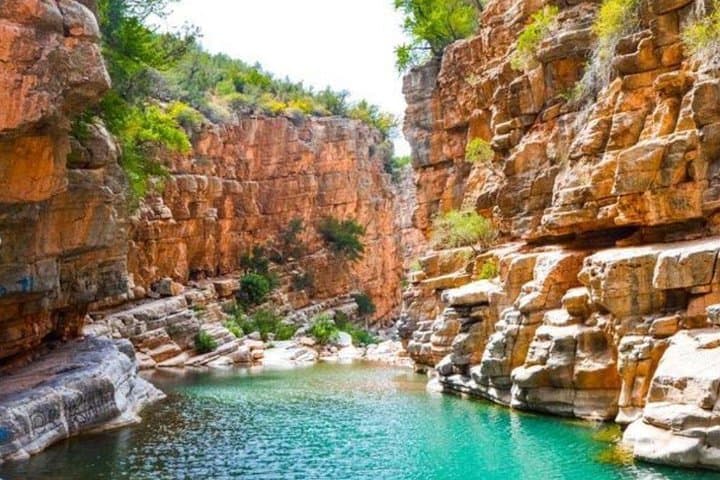
Paradise Valley sits on the honey route north of Agadir, where geology and human history meet. The gorge was cut from uplifted sedimentary and volcanic beds, creating terraces and natural basins used for generations by Berber communities. Expect straightforward cultural touches—small groves, a roadside botanical garden, and a simple breakfast served in local style—that reflect centuries of oasis farming in an otherwise arid landscape.
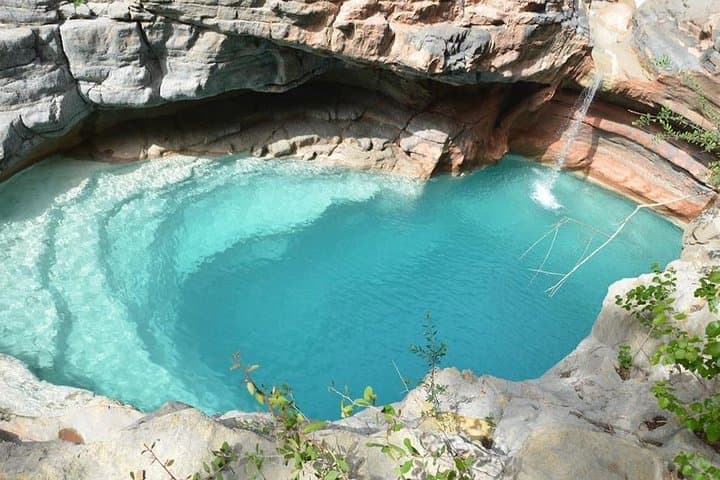
The hike itself is short—about 20 minutes on unpaved, sometimes rocky paths—and rewards you with deep swimming holes and pocket waterfalls. Rock faces dare you to climb a bit higher for the best views; the water invites you to cool off. Guides will point out native argan trees and the practical uses of local flora.
Practical note: wear sturdy shoes for uneven terrain, bring swimwear and a dry towel, and carry at least 1–2 liters of water—sun and shade alternate quickly here. Morning departures are cooler and quieter; afternoons are warmer and better for swimming. If conservation matters to you, stick to marked paths and avoid using soaps in the pools—this pocket ecosystem is fragile and relies on simple behaviors from visitors.
moderate.
5 hours.
Moderate — suitable for anyone comfortable with a short uphill walk, uneven rocky surfaces, and brief periods of standing or scrambling.
The walking portion is short—about a 15–25 minute easy hike from the meeting point to the rock pools, on unpaved and sometimes rocky terrain.
Yes; swimming at the natural pools is standard on this tour, though water depth varies—always check before diving and follow your guide’s advice.
The half-day tour typically includes hotel pickup and drop-off, an experienced driver/guide, a simple local breakfast, and guided access to the valley and pools.
Some access constraints exist because of rocky paths; operators may accommodate many guests, but check with the supplier about specific mobility needs before booking.
Berber communities have farmed the Oasis areas around Paradise Valley for centuries, using terraced agriculture and argan trees to sustain local economies.
The valley’s pools support fragile aquatic and riparian life; visitors should stay on trails, pack out litter, and avoid soaps to minimize impact.
Agadir Attractions operates guided outdoor trips and adventures with an emphasis on safety, stewardship, and memorable experiences.
The morning sun slices through palm fronds as the minivan climbs away from Agadir toward the folded ridges of the Atlas foothills. By the time you step onto the sandy trail, the valley has already begun to assert itself: a ribbon of water, cool and insistent, carving pools into ancient volcanic rock. The air smells of citrus and argan; a local guide points out a cluster of date palms while fishermen’s laughter echoes from a distant café.
The morning sun slices through palm fronds as the minivan climbs away from Agadir toward the folded ridges of the Atlas foothills. By the time you step onto the sandy trail, the valley has already begun to assert itself: a ribbon of water, cool and insistent, carving pools into ancient volcanic rock. The air smells of citrus and argan; a local guide points out a cluster of date palms while fishermen’s laughter echoes from a distant café.
Paradise Valley sits on the honey route north of Agadir, where geology and human history meet. The gorge was cut from uplifted sedimentary and volcanic beds, creating terraces and natural basins used for generations by Berber communities. Expect straightforward cultural touches—small groves, a roadside botanical garden, and a simple breakfast served in local style—that reflect centuries of oasis farming in an otherwise arid landscape.
The hike itself is short—about 20 minutes on unpaved, sometimes rocky paths—and rewards you with deep swimming holes and pocket waterfalls. Rock faces dare you to climb a bit higher for the best views; the water invites you to cool off. Guides will point out native argan trees and the practical uses of local flora.
Practical note: wear sturdy shoes for uneven terrain, bring swimwear and a dry towel, and carry at least 1–2 liters of water—sun and shade alternate quickly here. Morning departures are cooler and quieter; afternoons are warmer and better for swimming. If conservation matters to you, stick to marked paths and avoid using soaps in the pools—this pocket ecosystem is fragile and relies on simple behaviors from visitors.