THE ADVENTURE COLLECTIVE® · Independent discovery and booking for outdoor travel

A short drive from Agadir leads to palm-lined canyons and turquoise pools where you can swim, cliff-jump, and walk to small Berber villages. This easy-access day trip blends geology, culture, and safe outdoor fun for families and active travelers.
A short drive from Agadir leads to palm-lined canyons and turquoise pools where you can swim, cliff-jump, and walk to small Berber villages. This easy-access day trip blends geology, culture, and safe outdoor fun for families and active travelers.
You turn off the coastal highway and the air sharpens—cooler, scented with eucalyptus—while the road carves into a narrow canyon. Palm crowns lean over terraces; a ribbon of water threads through rock pools the color of worn turquoise glass. On arrival, the valley's pools and short gorges invite you: some visitors swim, others hop from low cliffs, and local guides point out village paths that rise into the foothills.
Verified experiences and guided adventures in the surrounding area.
Operated by Agatrips · Agadir, Souss-Massa
You turn off the coastal highway and the air sharpens—cooler, scented with eucalyptus—while the road carves into a narrow canyon. Palm crowns lean over terraces; a ribbon of water threads through rock pools the color of worn turquoise glass. On arrival, the valley's pools and short gorges invite you: some visitors swim, others hop from low cliffs, and local guides point out village paths that rise into the foothills.
Geologically, Paradise Valley sits in the Anti-Atlas foothills where ancient lava and sandstone have been cut by seasonal streams into stepped pools and natural basins. The area has long been used by Amazigh (Berber) communities; traditional terraces and small olive groves are visible from the main access paths, and rural tea houses offer a glimpse of everyday mountain life.
Expect easy to moderate walking: sandy tracks, rocky steps, and riverbed crossings. Popular spots are compact, so mornings and late afternoons are best for quieter swims and softer light for photos. Guides typically include transport from Agadir, translated local history, and safe places for a dip and picnic.
Practical notes: wear shoes with grip for wet rocks, bring a dry bag and at least 1–2 liters of water, and plan for sun—little shade sits above the pools. Respect private terraces and ask before entering village houses. The natural pools can be deceptively deep; if you’re unsure, stay where others are swimming. With sensible gear and timing, Paradise Valley is a short, rewarding escape from Agadir’s coast.
moderate.
2–3 hours (on-site).
Moderate fitness: able to handle uneven terrain, short climbs, and swimming if you choose to enter pools
Drive time is typically 40–60 minutes each way depending on traffic and pickup location; expect 2–3 hours at the site with a shared tour.
The pools are natural and generally fine for swimming; avoid swallowing water and check with your guide about strong currents or deep sections.
Yes—many families visit; however, supervise children around water and avoid harder cliff jumps.
You can reach parts of the valley independently, but a guide or organized tour handles transport, local access routes, and offers cultural insight.
The valley sits along traditional Amazigh (Berber) routes; terraces and small stone houses reflect centuries of mountain agriculture and pastoral life.
The area is popular and fragile—avoid leaving trash, stick to established paths, and follow local guide instructions to reduce erosion and disturbance.
Agatrips operates guided outdoor trips and adventures with an emphasis on safety, stewardship, and memorable experiences.
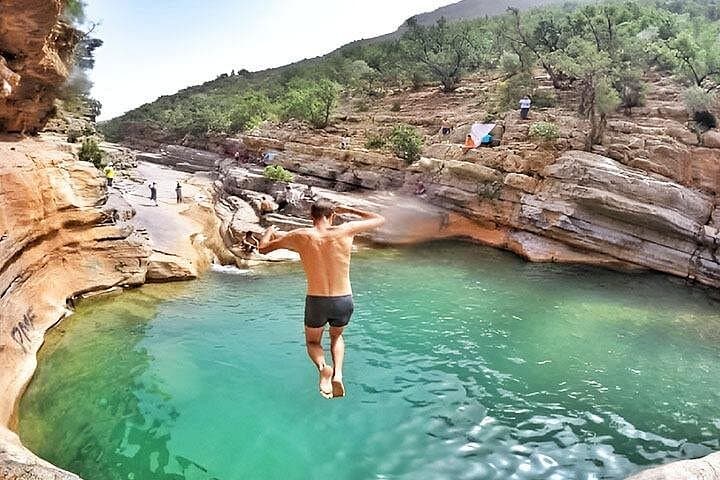
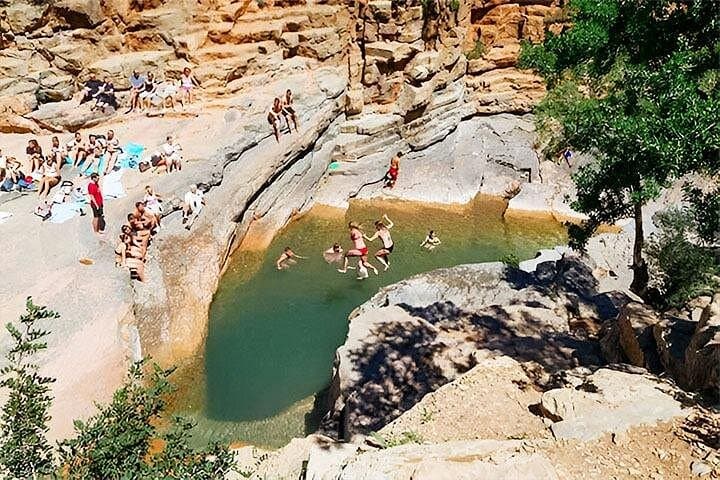
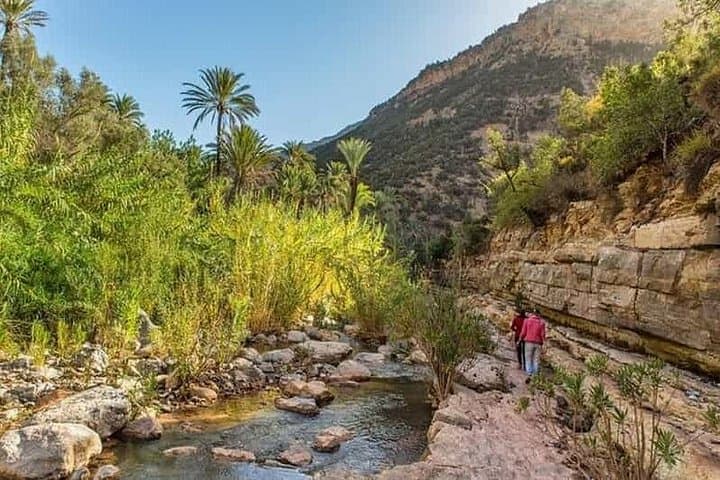
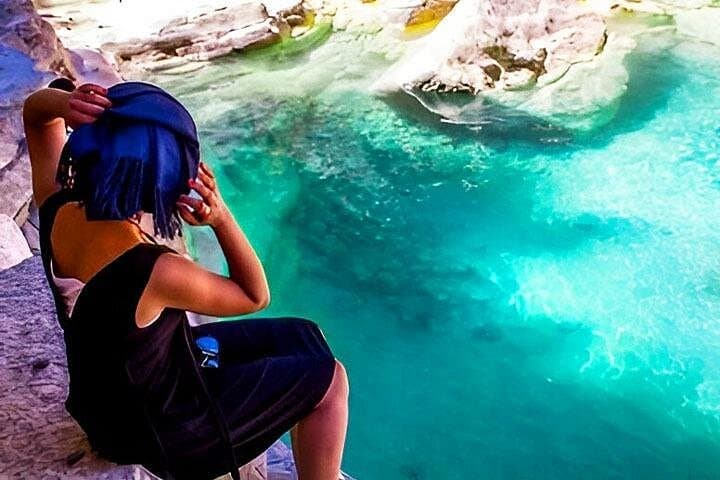
You turn off the coastal highway and the air sharpens—cooler, scented with eucalyptus—while the road carves into a narrow canyon. Palm crowns lean over terraces; a ribbon of water threads through rock pools the color of worn turquoise glass. On arrival, the valley's pools and short gorges invite you: some visitors swim, others hop from low cliffs, and local guides point out village paths that rise into the foothills.
You turn off the coastal highway and the air sharpens—cooler, scented with eucalyptus—while the road carves into a narrow canyon. Palm crowns lean over terraces; a ribbon of water threads through rock pools the color of worn turquoise glass. On arrival, the valley's pools and short gorges invite you: some visitors swim, others hop from low cliffs, and local guides point out village paths that rise into the foothills.
Geologically, Paradise Valley sits in the Anti-Atlas foothills where ancient lava and sandstone have been cut by seasonal streams into stepped pools and natural basins. The area has long been used by Amazigh (Berber) communities; traditional terraces and small olive groves are visible from the main access paths, and rural tea houses offer a glimpse of everyday mountain life.
Expect easy to moderate walking: sandy tracks, rocky steps, and riverbed crossings. Popular spots are compact, so mornings and late afternoons are best for quieter swims and softer light for photos. Guides typically include transport from Agadir, translated local history, and safe places for a dip and picnic.
Practical notes: wear shoes with grip for wet rocks, bring a dry bag and at least 1–2 liters of water, and plan for sun—little shade sits above the pools. Respect private terraces and ask before entering village houses. The natural pools can be deceptively deep; if you’re unsure, stay where others are swimming. With sensible gear and timing, Paradise Valley is a short, rewarding escape from Agadir’s coast.