THE ADVENTURE COLLECTIVE® · Independent discovery and booking for outdoor travel

Spend a half-day in Paradise Valley, a palm-fringed canyon north of Agadir where clear rock pools and shallow hikes make for an easy, scenic escape. This small-group trip combines short walks, swimming spots, and local culture in the Anti-Atlas foothills.
Spend a half-day in Paradise Valley, a palm-fringed canyon north of Agadir where clear rock pools and shallow hikes make for an easy, scenic escape. This small-group trip combines short walks, swimming spots, and local culture in the Anti-Atlas foothills.
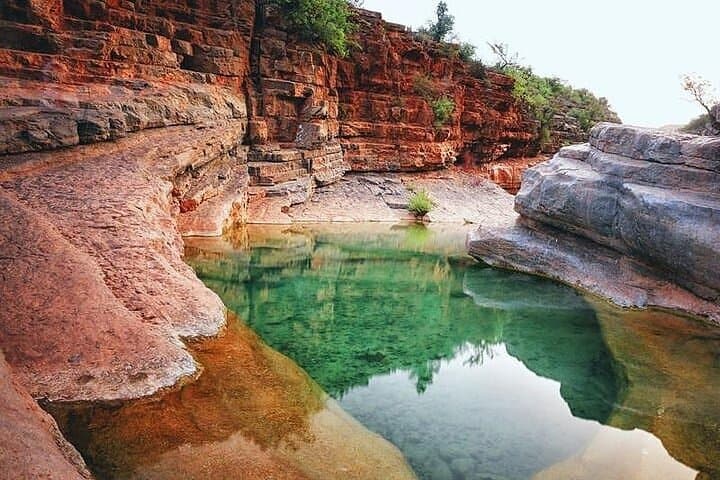
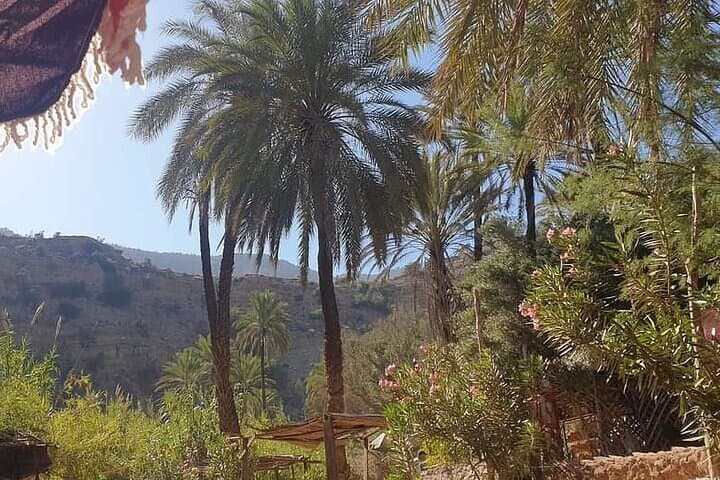
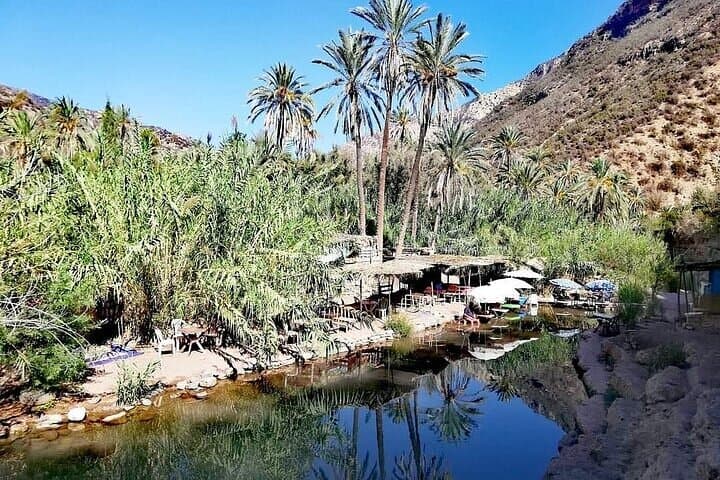
Morning light slices open the canyon as the minibus climbs out of Agadir and the Anti-Atlas rises into ochre ridges. Within an hour the road drops into a narrow gorge where palms shoulder the stream and rock pools glitter like cut glass. The air smells of wet stone and citrus; the water dares you to cool off.
Verified experiences and guided adventures in the surrounding area.
Operated by Tangier Private Trips · Agadir, Souss-Massa
Morning light slices open the canyon as the minibus climbs out of Agadir and the Anti-Atlas rises into ochre ridges. Within an hour the road drops into a narrow gorge where palms shoulder the stream and rock pools glitter like cut glass. The air smells of wet stone and citrus; the water dares you to cool off.
Paradise Valley grew as an offshoot of local irrigation networks and centuries-old terracing; the palms and date farms you pass are shaped by Berber agricultural practice. Geologically the valley is carved from schist and sandstone, worn into smooth basins and stepping pools that trap clear mountain runoff. Small villages and the so-called "banana village" (Aourir) anchor the valley in a working rural landscape—expect simple fruit stalls and village dogs alongside guide-supported day visitors.
On the trail, you'll hop across rock slabs, pick lines worn into the stone, and find shady ledges above the pools. The canyon alternates quick climbs with flat riverbed walking; sections can be slick after rain. Guides often show local spots: a botanical pocket garden, a narrow chasm with echoing water, and hidden pools away from the main swim areas.
Practical: plan for 4–5 hours door-to-door, wear grippy shoes that handle wet rock, bring a dry bag and drinking water, and time visits for morning or late afternoon to avoid peak heat. Respect local signs—some pools are deeper than they look—and pack out trash. With basic fitness and common-sense caution, Paradise Valley is a short, vivid escape into Morocco’s living geology and oasis culture.
moderate.
4–5 hours (including transfers).
Suitable for average fitness — expect short uphill sections and uneven, wet terrain; able to walk 2–4 miles with stops.
Shared pickup is available from Agadir-area hotels; exact pickup points are confirmed when booking.
There are shallow pools suitable for wading, but deeper pools require basic swimming ability—children should be supervised.
Hiking involves short, uneven sections and rock hopping; it’s moderate and suitable for most people with basic mobility.
Basic stalls and snack vendors may appear near popular sections; bring cash, water, and any snacks you need for the day.
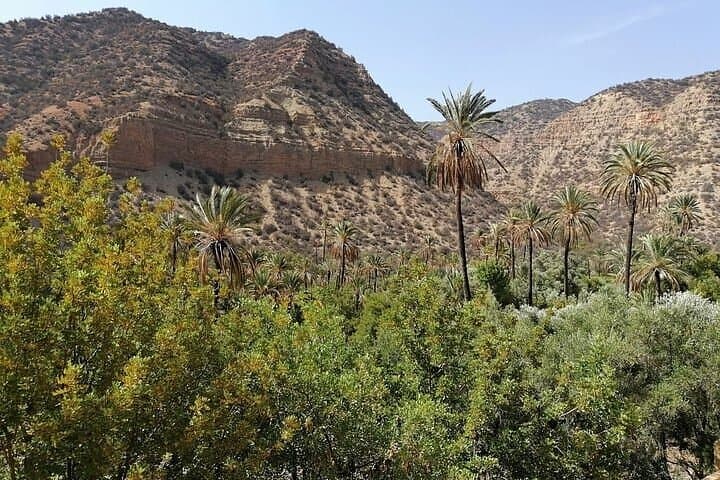
The valley’s irrigated palms and terraces reflect centuries of Berber farming and local water management across the Anti-Atlas foothills.
Keep to established paths and pack out waste; increasing day-visitor numbers strain fragile riparian vegetation and local water resources.
Tangier Private Trips operates guided outdoor trips and adventures with an emphasis on safety, stewardship, and memorable experiences.
Morning light slices open the canyon as the minibus climbs out of Agadir and the Anti-Atlas rises into ochre ridges. Within an hour the road drops into a narrow gorge where palms shoulder the stream and rock pools glitter like cut glass. The air smells of wet stone and citrus; the water dares you to cool off.
Morning light slices open the canyon as the minibus climbs out of Agadir and the Anti-Atlas rises into ochre ridges. Within an hour the road drops into a narrow gorge where palms shoulder the stream and rock pools glitter like cut glass. The air smells of wet stone and citrus; the water dares you to cool off.
Paradise Valley grew as an offshoot of local irrigation networks and centuries-old terracing; the palms and date farms you pass are shaped by Berber agricultural practice. Geologically the valley is carved from schist and sandstone, worn into smooth basins and stepping pools that trap clear mountain runoff. Small villages and the so-called "banana village" (Aourir) anchor the valley in a working rural landscape—expect simple fruit stalls and village dogs alongside guide-supported day visitors.
On the trail, you'll hop across rock slabs, pick lines worn into the stone, and find shady ledges above the pools. The canyon alternates quick climbs with flat riverbed walking; sections can be slick after rain. Guides often show local spots: a botanical pocket garden, a narrow chasm with echoing water, and hidden pools away from the main swim areas.
Practical: plan for 4–5 hours door-to-door, wear grippy shoes that handle wet rock, bring a dry bag and drinking water, and time visits for morning or late afternoon to avoid peak heat. Respect local signs—some pools are deeper than they look—and pack out trash. With basic fitness and common-sense caution, Paradise Valley is a short, vivid escape into Morocco’s living geology and oasis culture.