THE ADVENTURE COLLECTIVE® · Independent discovery and booking for outdoor travel

Escape Agadir for a half-day into Paradise Valley’s palm‑lined pools, carved rock ledges and small Berber gardens. Short hikes, optional swims and a honey tasting make this a compact mountain‑foothills experience.
Escape Agadir for a half-day into Paradise Valley’s palm‑lined pools, carved rock ledges and small Berber gardens. Short hikes, optional swims and a honey tasting make this a compact mountain‑foothills experience.
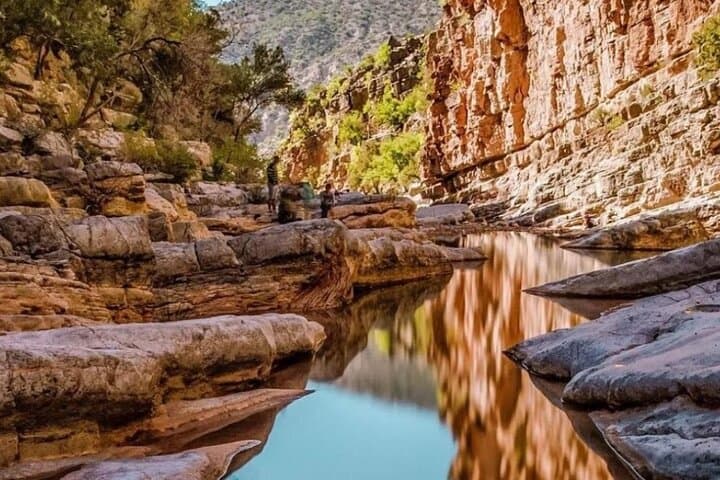
A short drive from Agadir peels the city away and leaves you shoulder-to-shoulder with carved rock, date palms and bright pools. The road climbs into the lower Atlas foothills and, within an hour, the valley opens: a chain of natural basins carved into tuff and schist, each pool catching sunlight like a glass lens.
Verified experiences and guided adventures in the surrounding area.
Operated by Agadir Sahara trip · Agadir, Souss-Massa
A short drive from Agadir peels the city away and leaves you shoulder-to-shoulder with carved rock, date palms and bright pools. The road climbs into the lower Atlas foothills and, within an hour, the valley opens: a chain of natural basins carved into tuff and schist, each pool catching sunlight like a glass lens.
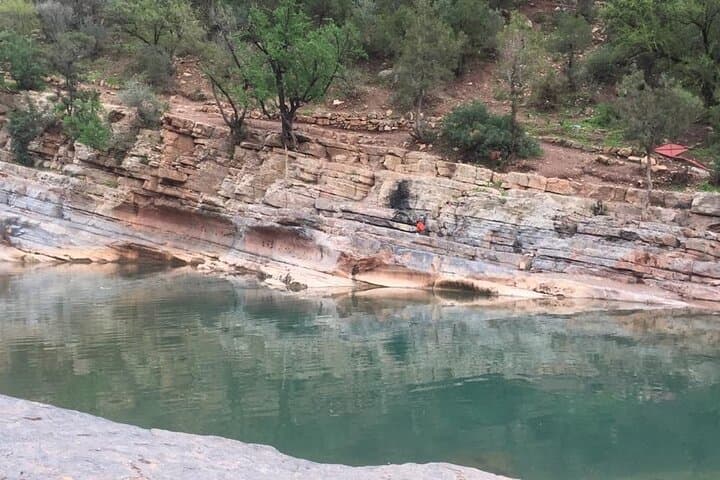
The route follows routes long used by Berber villages and honey-gatherers; local beekeeping is part of the Imouzzer honey route, a cultural thread as old as the terraces on the slopes. Geologically, Paradise Valley is a river-cut oasis—streams have sculpted bowls and ledges that collect clear, cool water and create small cascades between palm groves.
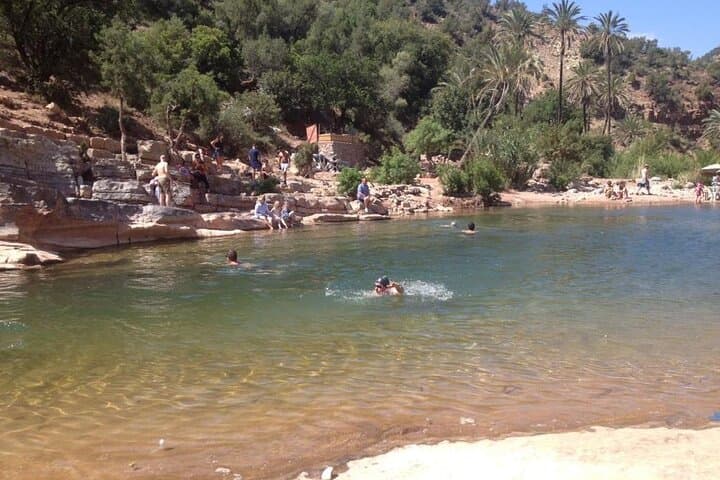
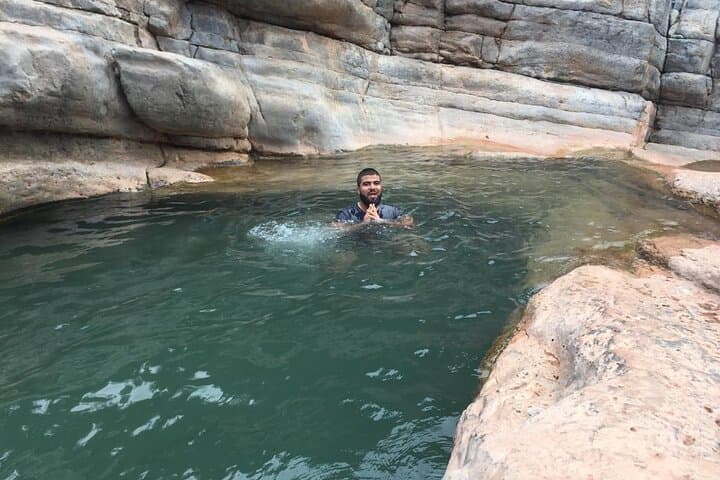
You’ll walk roughly 20–40 minutes along uneven, sometimes rocky paths to reach the main pools. Expect shallow plunge pools, sun-warmed stones for sitting, and sections where the current dares you toward a swim. Guides often end visits at a family-run garden for mint tea and raw honey tasting—simple moments that reveal agricultural rhythms tied to season and altitude.
Practical notes: footwear with toe protection helps on slick rocks; bring a quick-dry towel and at least 1.5 liters of water. Midday in summer is hot—start early for lower light and cooler conditions. The tour balances relaxed time in the oasis with short walks and photo stops; it’s suitable for most fitness levels but uneven terrain rewards steady footing. Respect private gardens and follow your guide’s safety direction around deeper pools—the cliffs look inviting but can be unstable. Leave no trace and support local vendors when possible.
easy.
6 hours.
Suitable for travelers in light to moderate fitness—expect short walks on uneven terrain and optional swims
Most transfers take about 40–60 minutes each way depending on traffic and the pickup location in Agadir.
Yes—many visitors swim in the natural basins; check with your guide for safe spots and avoid jumping from unstable ledges.
The walk to main pools is short but uneven; families with active children and moderately mobile older adults can generally participate—infant seats are available in vehicles.
The itinerary includes a visit to a garden with mint tea and honey tasting; bring snacks if you need more substantial food.
The valley is part of routes used by Amazigh (Berber) communities; local agriculture and beekeeping have long adapted to the terraced foothills of the Atlas.
The area is sensitive to litter and water use—sticking to paths, packing out trash and buying local goods helps sustain guides and ecosystems.
Agadir Sahara trip operates guided outdoor trips and adventures with an emphasis on safety, stewardship, and memorable experiences.
A short drive from Agadir peels the city away and leaves you shoulder-to-shoulder with carved rock, date palms and bright pools. The road climbs into the lower Atlas foothills and, within an hour, the valley opens: a chain of natural basins carved into tuff and schist, each pool catching sunlight like a glass lens.
A short drive from Agadir peels the city away and leaves you shoulder-to-shoulder with carved rock, date palms and bright pools. The road climbs into the lower Atlas foothills and, within an hour, the valley opens: a chain of natural basins carved into tuff and schist, each pool catching sunlight like a glass lens.
The route follows routes long used by Berber villages and honey-gatherers; local beekeeping is part of the Imouzzer honey route, a cultural thread as old as the terraces on the slopes. Geologically, Paradise Valley is a river-cut oasis—streams have sculpted bowls and ledges that collect clear, cool water and create small cascades between palm groves.
You’ll walk roughly 20–40 minutes along uneven, sometimes rocky paths to reach the main pools. Expect shallow plunge pools, sun-warmed stones for sitting, and sections where the current dares you toward a swim. Guides often end visits at a family-run garden for mint tea and raw honey tasting—simple moments that reveal agricultural rhythms tied to season and altitude.
Practical notes: footwear with toe protection helps on slick rocks; bring a quick-dry towel and at least 1.5 liters of water. Midday in summer is hot—start early for lower light and cooler conditions. The tour balances relaxed time in the oasis with short walks and photo stops; it’s suitable for most fitness levels but uneven terrain rewards steady footing. Respect private gardens and follow your guide’s safety direction around deeper pools—the cliffs look inviting but can be unstable. Leave no trace and support local vendors when possible.