THE ADVENTURE COLLECTIVE® · Independent discovery and booking for outdoor travel

A convenient day pass from Freeport delivers calm white sand, guided snorkeling over Deadman's Reef, and lunch at the Red Bar. Perfect for swimmers and families who want an easy, locally run beach escape with marine life on view.
A convenient day pass from Freeport delivers calm white sand, guided snorkeling over Deadman's Reef, and lunch at the Red Bar. Perfect for swimmers and families who want an easy, locally run beach escape with marine life on view.
You step off the van onto sugar-fine sand and the Atlantic lays itself out like a dare—the shallows glinting, the reef a darker pulse a short swim beyond the breakers. Paradise Cove doesn't hide; it puts the water forward, a quiet stretch of western Grand Bahama that manages to feel private even when the shuttle pulls up. The Red Bar hums with island chatter, lounge chairs face the surf, and staff fit masks with the kind of practiced efficiency that keeps the rhythm of a good beach day moving.
Verified experiences and guided adventures in the surrounding area.
Operated by Paradise Cove Beach Resort · Freeport, Grand Bahama
You step off the van onto sugar-fine sand and the Atlantic lays itself out like a dare—the shallows glinting, the reef a darker pulse a short swim beyond the breakers. Paradise Cove doesn't hide; it puts the water forward, a quiet stretch of western Grand Bahama that manages to feel private even when the shuttle pulls up. The Red Bar hums with island chatter, lounge chairs face the surf, and staff fit masks with the kind of practiced efficiency that keeps the rhythm of a good beach day moving.
This coast is shaped by coral and limestone: a low, porous shelf where waves deposit sand and mangroves hold the shoreline. Deadman's Reef—part natural formation and part the largest contiguous man-made reef-ball installation in the Bahamas—creates pockets of current-sheltered habitat where angelfish and parrotfish graze. The reef balls were placed to accelerate reef structure and attract fish, and they now sit like a deliberate neighborhood for marine life alongside living coral heads.
The island bears traces of older histories too. Lucayan people once lived here, following tidal rhythms and fishing seasonal runs; modern Bahamian culture adds boatbuilding, lobster season lore, and a relaxed beach etiquette that prizes shade, a cold drink, and respect for the sea.
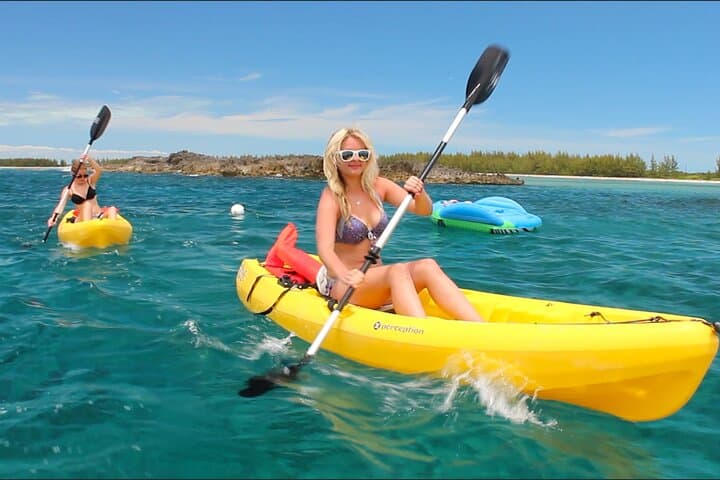
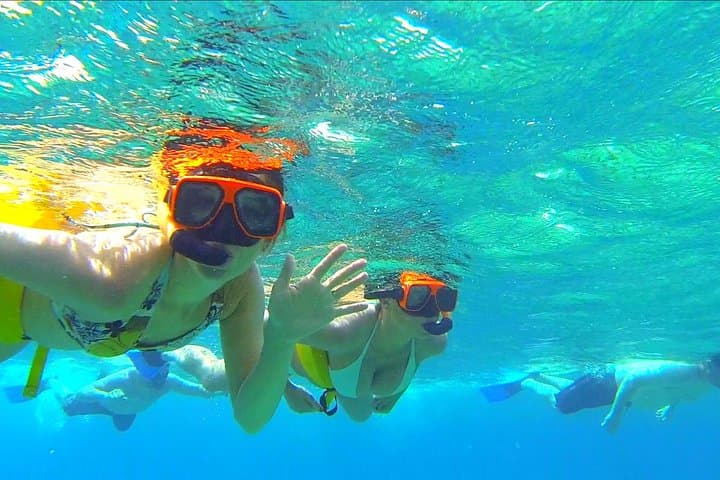
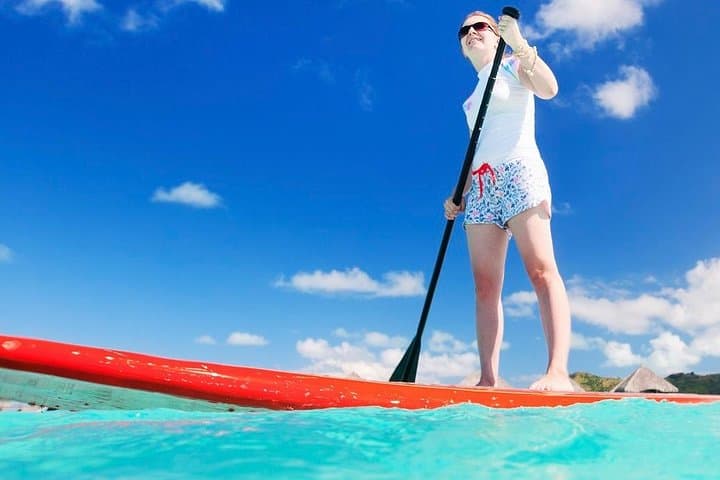
What you get with the day pass is straightforward: round-trip pickup from Freeport, use of a lounge chair, access to snorkeling, kayaking, and paddleboards, plus food and one drink when you book the full day pass (snorkel-only options exclude meals). Snorkeling happens a short paddle from shore—expect to swim 50–200 meters depending on conditions—to see sea turtles, damselfish, snapper and the usual reef residents. Staff size and fit masks, and rental gear is available for a small fee.
Practical notes: plan for strong sun—bring reef-safe sunscreen and a rash guard. Water temperatures run warm most of the year (mid-70s–low-80s °F), but the sun reflects off sand and makes midday relentless; the best light and calmer seas often arrive in the morning. If you’re prone to seasickness, the short boat or shuttle ride will be tame but bring medication if you need it. Respect the coral—no touching or standing—and follow staff guidance on currents and swim zones.
Timing matters. A four-hour visit gives a solid snorkel and lunch; a full-day pass lets you stretch that into a lazy afternoon with a novel or a second paddle. For families, the beach is shallow and approachable; for divers and snorkelers, the reef rewards patience with colorful fish and occasional turtle sightings. Paradise Cove is less about dramatic drop-offs and more about accessible, unhurried marine encounters—an easy, well-run doorway into Grand Bahama's underwater life.
moderate.
4 hours.
Basic to moderate fitness—able to swim 50–200 m and enter/exit from a sandy beach; good for families with older children.
Yes—round-trip hotel pickup and drop-off in Freeport are included; provide hotel details at booking.
Lunch and one beverage are included with the full day pass; the snorkel-only option does not include food or drink.
Basic snorkel gear is available to rent on site for a small fee; staff will size masks for you.
Yes—families are welcome; infants must sit on laps for transport and the beach has shallow areas, but children should be comfortable in water.
The operator cancels for bad weather; you can get a full refund if you cancel at least 24 hours prior per the policy.
The reef is close to shore and generally protected, but currents can increase; follow staff guidance and stay within designated swim zones.
Grand Bahama bears Lucayan archaeological traces and a maritime history of small-boat fishing and sponge trading; modern tourism grew around these coastal assets.
The reef-ball program was designed to restore habitat; visitors are asked to use reef-safe products and avoid touching coral to minimize impact.
Paradise Cove Beach Resort operates guided outdoor trips and adventures with an emphasis on safety, stewardship, and memorable experiences.
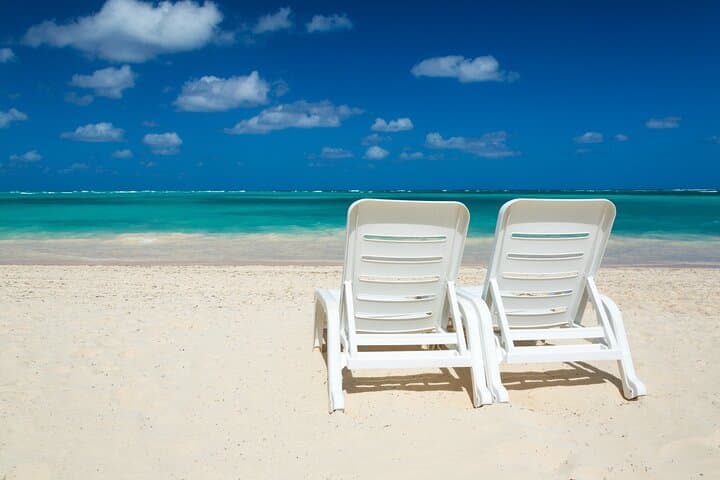
You step off the van onto sugar-fine sand and the Atlantic lays itself out like a dare—the shallows glinting, the reef a darker pulse a short swim beyond the breakers. Paradise Cove doesn't hide; it puts the water forward, a quiet stretch of western Grand Bahama that manages to feel private even when the shuttle pulls up. The Red Bar hums with island chatter, lounge chairs face the surf, and staff fit masks with the kind of practiced efficiency that keeps the rhythm of a good beach day moving.
You step off the van onto sugar-fine sand and the Atlantic lays itself out like a dare—the shallows glinting, the reef a darker pulse a short swim beyond the breakers. Paradise Cove doesn't hide; it puts the water forward, a quiet stretch of western Grand Bahama that manages to feel private even when the shuttle pulls up. The Red Bar hums with island chatter, lounge chairs face the surf, and staff fit masks with the kind of practiced efficiency that keeps the rhythm of a good beach day moving.
This coast is shaped by coral and limestone: a low, porous shelf where waves deposit sand and mangroves hold the shoreline. Deadman's Reef—part natural formation and part the largest contiguous man-made reef-ball installation in the Bahamas—creates pockets of current-sheltered habitat where angelfish and parrotfish graze. The reef balls were placed to accelerate reef structure and attract fish, and they now sit like a deliberate neighborhood for marine life alongside living coral heads.
The island bears traces of older histories too. Lucayan people once lived here, following tidal rhythms and fishing seasonal runs; modern Bahamian culture adds boatbuilding, lobster season lore, and a relaxed beach etiquette that prizes shade, a cold drink, and respect for the sea.
What you get with the day pass is straightforward: round-trip pickup from Freeport, use of a lounge chair, access to snorkeling, kayaking, and paddleboards, plus food and one drink when you book the full day pass (snorkel-only options exclude meals). Snorkeling happens a short paddle from shore—expect to swim 50–200 meters depending on conditions—to see sea turtles, damselfish, snapper and the usual reef residents. Staff size and fit masks, and rental gear is available for a small fee.
Practical notes: plan for strong sun—bring reef-safe sunscreen and a rash guard. Water temperatures run warm most of the year (mid-70s–low-80s °F), but the sun reflects off sand and makes midday relentless; the best light and calmer seas often arrive in the morning. If you’re prone to seasickness, the short boat or shuttle ride will be tame but bring medication if you need it. Respect the coral—no touching or standing—and follow staff guidance on currents and swim zones.
Timing matters. A four-hour visit gives a solid snorkel and lunch; a full-day pass lets you stretch that into a lazy afternoon with a novel or a second paddle. For families, the beach is shallow and approachable; for divers and snorkelers, the reef rewards patience with colorful fish and occasional turtle sightings. Paradise Cove is less about dramatic drop-offs and more about accessible, unhurried marine encounters—an easy, well-run doorway into Grand Bahama's underwater life.