THE ADVENTURE COLLECTIVE® · Independent discovery and booking for outdoor travel

Step off the sidelines and into the Sambódromo: parade with a samba school wearing an authentic fantasia, dance the avenue, and return to your hotel by provided transport. This is a hands-on Carnival moment—expect heat, music, and nonstop movement.
Step off the sidelines and into the Sambódromo: parade with a samba school wearing an authentic fantasia, dance the avenue, and return to your hotel by provided transport. This is a hands-on Carnival moment—expect heat, music, and nonstop movement.
The drums arrive before dawn and by nightfall the Sambódromo vibrates under a tide of sequins and foam. You step onto concrete that has held generations of samba—your handmade fantasia strapped on, makeup set, heart matching the call-and-response of the percussion. Around you, experienced passistas guide the rhythm; ahead, the avenue opens into a 700-meter stage where samba schools compete and the crowd roars.
Verified experiences and guided adventures in the surrounding area.
Operated by RIO PASSEIOS EXPERIENCE · Rio de Janeiro, Rio de Janeiro
The drums arrive before dawn and by nightfall the Sambódromo vibrates under a tide of sequins and foam. You step onto concrete that has held generations of samba—your handmade fantasia strapped on, makeup set, heart matching the call-and-response of the percussion. Around you, experienced passistas guide the rhythm; ahead, the avenue opens into a 700-meter stage where samba schools compete and the crowd roars.
The Sambódromo was built in the 1980s by Oscar Niemeyer as a purpose-made avenue for Rio’s greatest pageant. Carnival itself blends Portuguese, African and Indigenous traditions into street bands, choreographies and costume craft; samba schools spend a year preparing floats and themes that tell social and historical stories through music and movement.
Expect to move at street pace: long, energetic stretches of walking punctuated by choreographed stops. The surface is mostly flat concrete with temporary staging; noise is constant and the lights are intense. Local culture favors late nights, quick hydration, and communal dressing areas where volunteer staff help with glitter, straps and last-minute repairs.
Practically: coordinate hotel pickup and return, bring minimal personal items, and leave fragile valuables at the hotel. Plan for warm, humid weather (Carnival falls during Brazil’s summer) and pack a small, secure bag for ID, cash and a phone. If you want the fantasia to travel home, check luggage space in advance. Above all, move with the music, respect local performers, and be ready to trade the role of spectator for participant in one of the world’s most kinetic cultural celebrations.
easy.
4 hours.
Suitable for most fitness levels; expect standing and walking with bursts of dancing—basic stamina and mobility required
Yes—the tour provides an original, tailor-made fantasia created by a samba school and staff assist you in dressing.
Possibly—operators can return the costume with you if there is room in your luggage; confirm space before booking.
The activity is rated physically easy and suitable for most people, though you should be able to stand and walk for several hours.
Hotel transfer to and from the Sambódromo is included; double-check pickup details and times when you book.
The Sambódromo was designed by Oscar Niemeyer and inaugurated in 1984 as a dedicated avenue for Rio’s millennia-old Carnival traditions that fuse African, Portuguese and Indigenous influences.
Carnival generates significant waste and noise—opt for reusable water bottles, avoid single-use plastics in your costume where possible, and use public transport or organized transfers to reduce congestion.
RIO PASSEIOS EXPERIENCE operates guided outdoor trips and adventures with an emphasis on safety, stewardship, and memorable experiences.
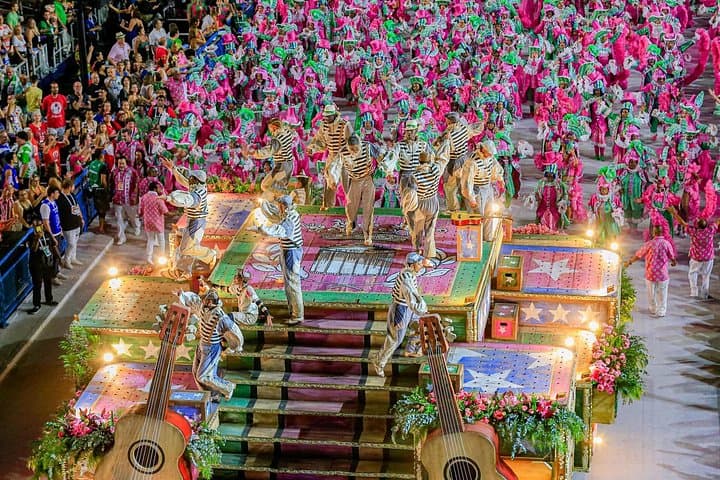
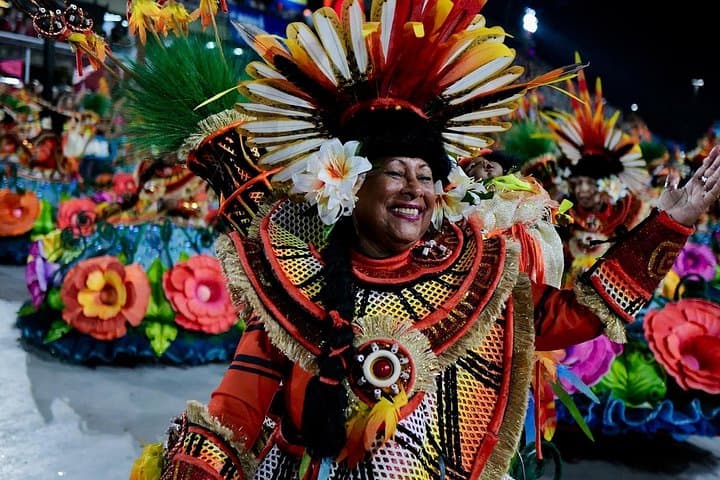
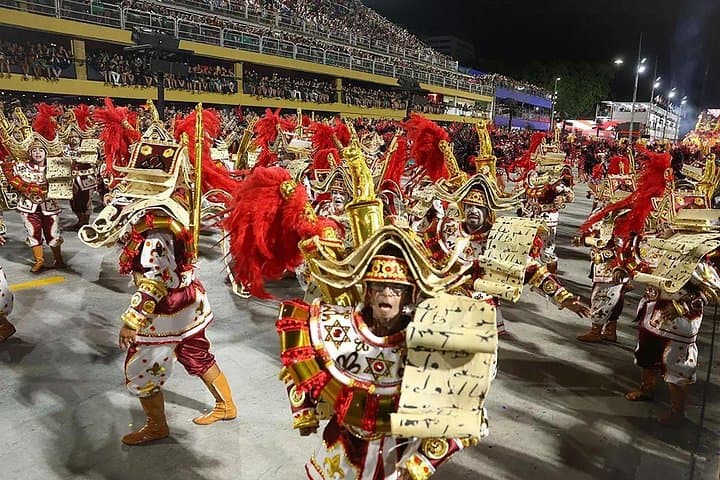
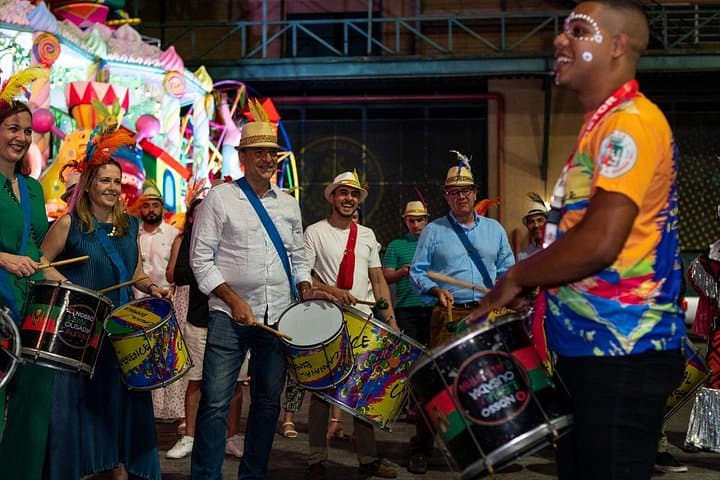
The drums arrive before dawn and by nightfall the Sambódromo vibrates under a tide of sequins and foam. You step onto concrete that has held generations of samba—your handmade fantasia strapped on, makeup set, heart matching the call-and-response of the percussion. Around you, experienced passistas guide the rhythm; ahead, the avenue opens into a 700-meter stage where samba schools compete and the crowd roars.
The drums arrive before dawn and by nightfall the Sambódromo vibrates under a tide of sequins and foam. You step onto concrete that has held generations of samba—your handmade fantasia strapped on, makeup set, heart matching the call-and-response of the percussion. Around you, experienced passistas guide the rhythm; ahead, the avenue opens into a 700-meter stage where samba schools compete and the crowd roars.
The Sambódromo was built in the 1980s by Oscar Niemeyer as a purpose-made avenue for Rio’s greatest pageant. Carnival itself blends Portuguese, African and Indigenous traditions into street bands, choreographies and costume craft; samba schools spend a year preparing floats and themes that tell social and historical stories through music and movement.
Expect to move at street pace: long, energetic stretches of walking punctuated by choreographed stops. The surface is mostly flat concrete with temporary staging; noise is constant and the lights are intense. Local culture favors late nights, quick hydration, and communal dressing areas where volunteer staff help with glitter, straps and last-minute repairs.
Practically: coordinate hotel pickup and return, bring minimal personal items, and leave fragile valuables at the hotel. Plan for warm, humid weather (Carnival falls during Brazil’s summer) and pack a small, secure bag for ID, cash and a phone. If you want the fantasia to travel home, check luggage space in advance. Above all, move with the music, respect local performers, and be ready to trade the role of spectator for participant in one of the world’s most kinetic cultural celebrations.