THE ADVENTURE COLLECTIVE® · Independent discovery and booking for outdoor travel

Experience Peru’s stark coastline where desert bluffs meet cold Pacific waters. This 3–4 hour Paracas National Reserve tour blends panoramic viewpoints, bird colonies and dramatic rock formations into a compact, accessible outing.
Experience Peru’s stark coastline where desert bluffs meet cold Pacific waters. This 3–4 hour Paracas National Reserve tour blends panoramic viewpoints, bird colonies and dramatic rock formations into a compact, accessible outing.
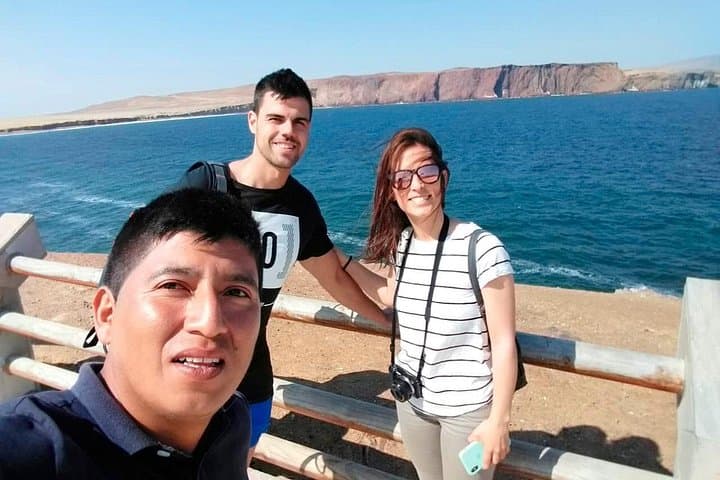
Morning light slices across pale dunes as the first buses pull into Paracas Bay and the sea hisses against the shore. On a Paracas National Reserve tour the landscape keeps you off-balance: arid bluffs drop into cold Pacific water, and salt-flat air carries the cry of distant seabirds.
Verified experiences and guided adventures in the surrounding area.
Operated by Pablito Travel Adventure · Paracas, Ica
Morning light slices across pale dunes as the first buses pull into Paracas Bay and the sea hisses against the shore. On a Paracas National Reserve tour the landscape keeps you off-balance: arid bluffs drop into cold Pacific water, and salt-flat air carries the cry of distant seabirds.
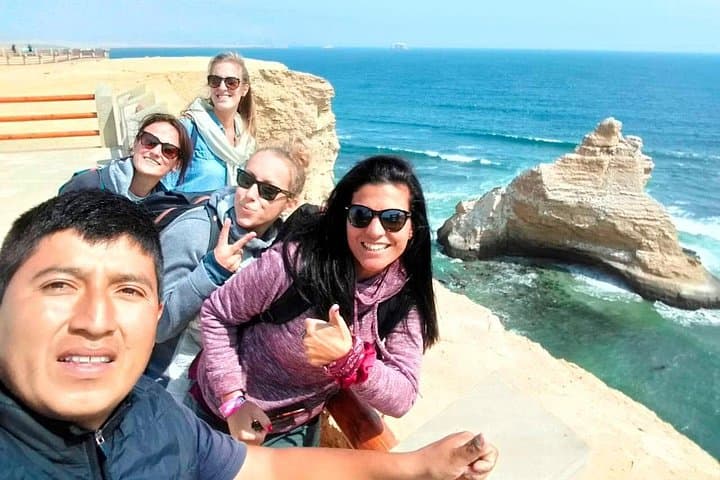
The Reserve protects nearly 335,000 hectares of desert and marine habitat where the Andes meet the ocean. Human history here stretches from the Paracas culture, known for geoglyphs and textiles, to modern fishing towns that trace livelihoods to Humboldt Current riches. Geology is blunt and visible: wind-sculpted sandstone, fossil-rich cliffs and isolated rock arches like the Cathedral formation carved by waves and time.
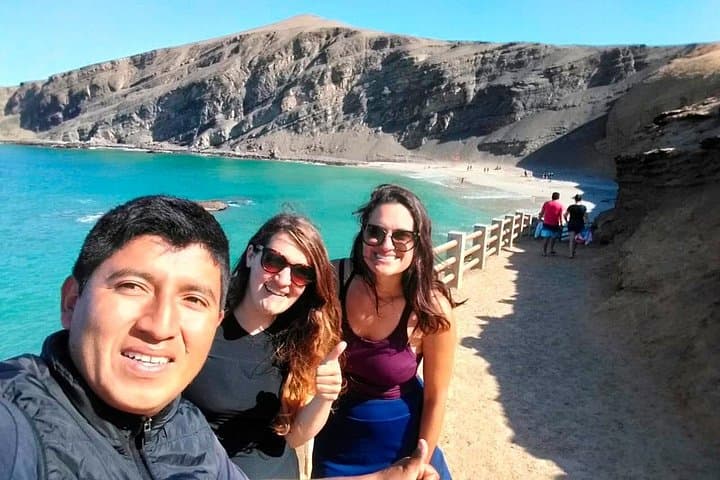
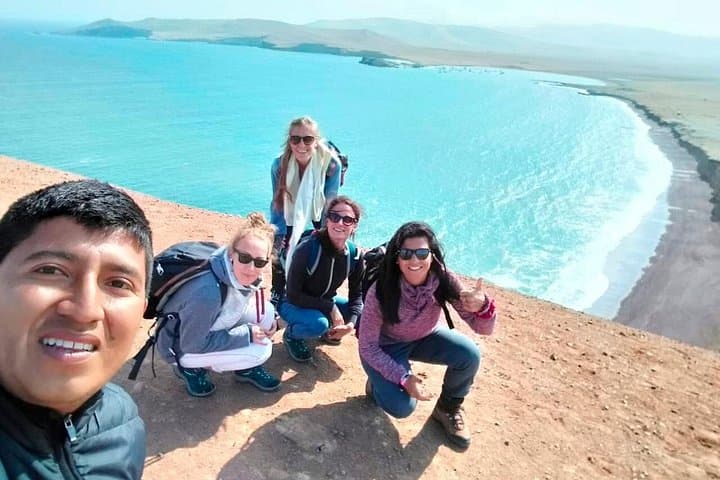
Culturally, Paracas feels practical — small ports, simple eateries serving ceviche, and an interpretation center that explains local fisheries and bird colonies. Expect panoramic viewpoints over Red Beach and the quiet coves of La Mina, plus chances to spot flamingos and lounging sea lions at the Bay of Lagunillas.
Practicalities: tours run about 3–4 hours, often private and accessible for most fitness levels; wear closed shoes for sandy, uneven trails, carry at least 1.5 liters of water, and plan for strong sun and wind. Morning departures reduce heat and deliver calmer seas for clearer views. Respect wildlife buffers, stay on marked paths and time visits around tides if you want to photograph rock formations.
This is a short, high-impact coastal excursion — minimal climbing, maximum contrast between desert and sea.
easy.
3–4 hours.
Suitable for most fitness levels; requires short walks on sandy and uneven terrain.
Most tours run roughly 3–4 hours and include multiple viewpoints, the interpretation center and Bay of Lagunillas.
Yes — the tour is rated easy and suitable for most fitness levels; vehicles and some points are wheelchair accessible but check pickup details in advance.
Flamingos and sea lions are common sights, especially in calmer bays and estuaries, though sightings depend on season and tides.
Typical inclusions are fees and taxes only; bring snacks or plan to eat in Paracas town where local restaurants serve seafood.
The Paracas area has archaeological ties to the Paracas culture and was protected by Peru in the 1970s to conserve both desert and marine ecosystems.
Visitors should stay on marked trails and avoid feeding wildlife; the reserve balances tourism with fisheries protection and habitat restoration efforts.
Pablito Travel Adventure operates guided outdoor trips and adventures with an emphasis on safety, stewardship, and memorable experiences.
Morning light slices across pale dunes as the first buses pull into Paracas Bay and the sea hisses against the shore. On a Paracas National Reserve tour the landscape keeps you off-balance: arid bluffs drop into cold Pacific water, and salt-flat air carries the cry of distant seabirds.
Morning light slices across pale dunes as the first buses pull into Paracas Bay and the sea hisses against the shore. On a Paracas National Reserve tour the landscape keeps you off-balance: arid bluffs drop into cold Pacific water, and salt-flat air carries the cry of distant seabirds.
The Reserve protects nearly 335,000 hectares of desert and marine habitat where the Andes meet the ocean. Human history here stretches from the Paracas culture, known for geoglyphs and textiles, to modern fishing towns that trace livelihoods to Humboldt Current riches. Geology is blunt and visible: wind-sculpted sandstone, fossil-rich cliffs and isolated rock arches like the Cathedral formation carved by waves and time.
Culturally, Paracas feels practical — small ports, simple eateries serving ceviche, and an interpretation center that explains local fisheries and bird colonies. Expect panoramic viewpoints over Red Beach and the quiet coves of La Mina, plus chances to spot flamingos and lounging sea lions at the Bay of Lagunillas.
Practicalities: tours run about 3–4 hours, often private and accessible for most fitness levels; wear closed shoes for sandy, uneven trails, carry at least 1.5 liters of water, and plan for strong sun and wind. Morning departures reduce heat and deliver calmer seas for clearer views. Respect wildlife buffers, stay on marked paths and time visits around tides if you want to photograph rock formations.
This is a short, high-impact coastal excursion — minimal climbing, maximum contrast between desert and sea.