THE ADVENTURE COLLECTIVE® · Independent discovery and booking for outdoor travel

Spend a concentrated half day on the Paracas peninsula, moving from desert cliffs to sheltered coves while watching sea lions, flamingos and fossil-rich shores. This practical guide previews what to expect, how to prepare and where the best viewpoints sit.
Spend a concentrated half day on the Paracas peninsula, moving from desert cliffs to sheltered coves while watching sea lions, flamingos and fossil-rich shores. This practical guide previews what to expect, how to prepare and where the best viewpoints sit.
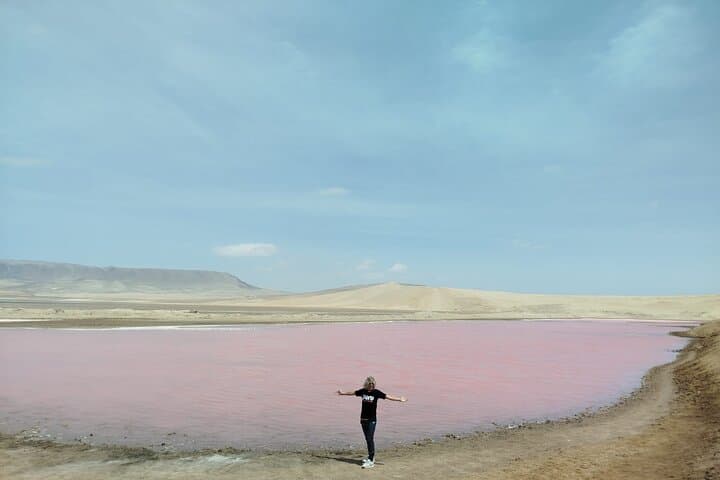
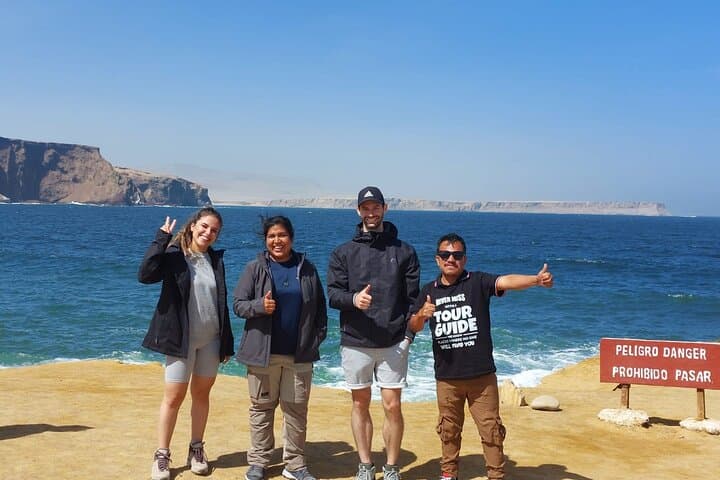
You step from the van and the desert answers with wind—gritty, warm, and insistently bright. The Paracas peninsula spreads like a stranded ship of ochre cliffs and blue water; gulls quarter the air while surf tugs at the shore. This half-day loop moves fast but carefully: viewpoints, short walks and quiet coves that let the Atlantic edge of Peru speak.
Verified experiences and guided adventures in the surrounding area.
Operated by Tangol · Paracas, Ica
You step from the van and the desert answers with wind—gritty, warm, and insistently bright. The Paracas peninsula spreads like a stranded ship of ochre cliffs and blue water; gulls quarter the air while surf tugs at the shore. This half-day loop moves fast but carefully: viewpoints, short walks and quiet coves that let the Atlantic edge of Peru speak.
The reserve was created in the 1970s to protect a fragile coastal ecosystem shaped by the cold Humboldt Current and millennia of marine deposition. Geology shows layered cliffs, fossil-rich benches and red sands born of volcanic fragments—hints of seismic history visible where the Cathedral rock was reshaped by the 2007 quake. The human story threads through the landscape too: pre-Columbian Paracas culture left pottery and textiles in the broader region, and modern fishing communities still work the coves.
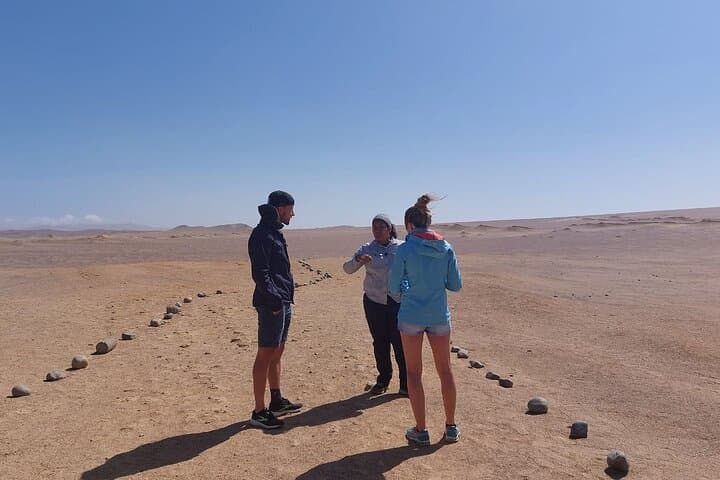
Expect short, flat walks between overlooks, explanatory exhibits at the interpretation center and plenty of binocular work: flamingos, guano-rich cliffs and sunning sea lions are likely. Guides point out fossil beds and migratory patterns while offering local food tips—ceviche at Lagunillas is a near-mandatory reward.
Practical side: wear sun-shielding layers, bring a refillable water bottle and shoes with grip for sandy, uneven surfaces. Morning light is best for photography and cooler temperatures; afternoons can be windy. Respect closed areas, keep distance from wildlife and plan for a 3–4 hour outing that’s low on exertion but rich in coastal geology and wildlife observation.
easy.
3–4 hours.
Suitable for most fitness levels; involves short, flat walks and brief uneven terrain.
The tour lasts about 3–4 hours and includes several short walks (10–30 minutes) between viewpoints at an easy pace.
Yes—sea lions, migratory flamingos and various shorebirds are commonly seen, though sightings can’t be guaranteed.
Yes, transfers to/from centrally located hotels in Paracas are included in the tour price.
The outing is generally easy and family-friendly, but some viewpoints have uneven ground; it’s not recommended for those with serious spinal problems.
The reserve was established in the 1970s to protect a rare coastal desert–marine complex; the surrounding region also preserves traces of the ancient Paracas culture.
The reserve faces pressures from tourism and fisheries; stay on marked paths, avoid disturbing wildlife and pack out all trash to minimize impact.
Tangol operates guided outdoor trips and adventures with an emphasis on safety, stewardship, and memorable experiences.

You step from the van and the desert answers with wind—gritty, warm, and insistently bright. The Paracas peninsula spreads like a stranded ship of ochre cliffs and blue water; gulls quarter the air while surf tugs at the shore. This half-day loop moves fast but carefully: viewpoints, short walks and quiet coves that let the Atlantic edge of Peru speak.
You step from the van and the desert answers with wind—gritty, warm, and insistently bright. The Paracas peninsula spreads like a stranded ship of ochre cliffs and blue water; gulls quarter the air while surf tugs at the shore. This half-day loop moves fast but carefully: viewpoints, short walks and quiet coves that let the Atlantic edge of Peru speak.
The reserve was created in the 1970s to protect a fragile coastal ecosystem shaped by the cold Humboldt Current and millennia of marine deposition. Geology shows layered cliffs, fossil-rich benches and red sands born of volcanic fragments—hints of seismic history visible where the Cathedral rock was reshaped by the 2007 quake. The human story threads through the landscape too: pre-Columbian Paracas culture left pottery and textiles in the broader region, and modern fishing communities still work the coves.
Expect short, flat walks between overlooks, explanatory exhibits at the interpretation center and plenty of binocular work: flamingos, guano-rich cliffs and sunning sea lions are likely. Guides point out fossil beds and migratory patterns while offering local food tips—ceviche at Lagunillas is a near-mandatory reward.
Practical side: wear sun-shielding layers, bring a refillable water bottle and shoes with grip for sandy, uneven surfaces. Morning light is best for photography and cooler temperatures; afternoons can be windy. Respect closed areas, keep distance from wildlife and plan for a 3–4 hour outing that’s low on exertion but rich in coastal geology and wildlife observation.