THE ADVENTURE COLLECTIVE® · Independent discovery and booking for outdoor travel

Explore the raw coastlines of Paracas on a four-hour bus tour that stops at limestone arches, red-sand shores and turquoise swimming coves. Short viewpoint walks, a seafood lunch stop and guided natural history make this a compact introduction to the reserve.
Explore the raw coastlines of Paracas on a four-hour bus tour that stops at limestone arches, red-sand shores and turquoise swimming coves. Short viewpoint walks, a seafood lunch stop and guided natural history make this a compact introduction to the reserve.
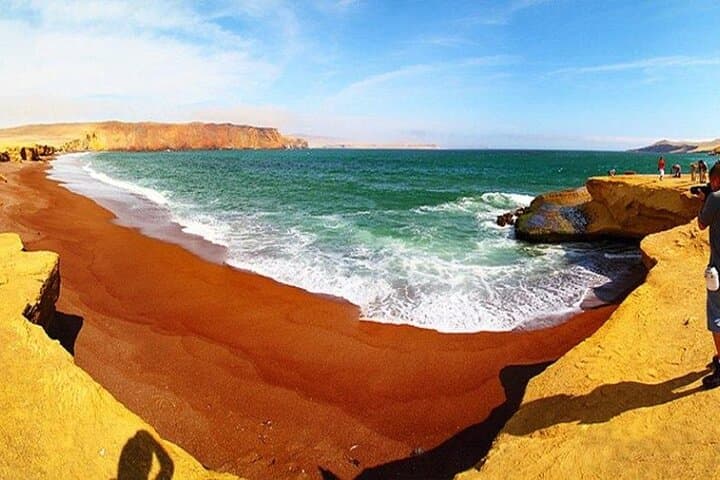
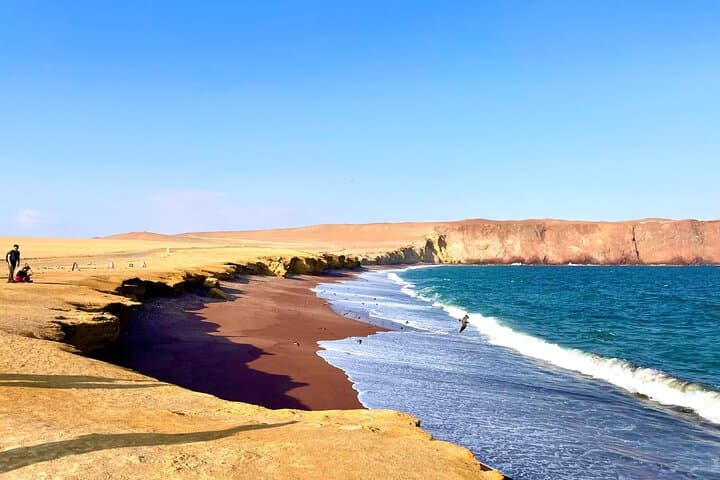
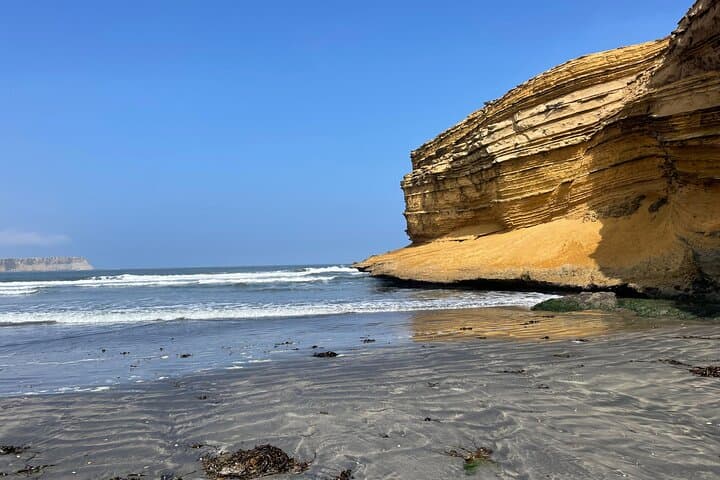
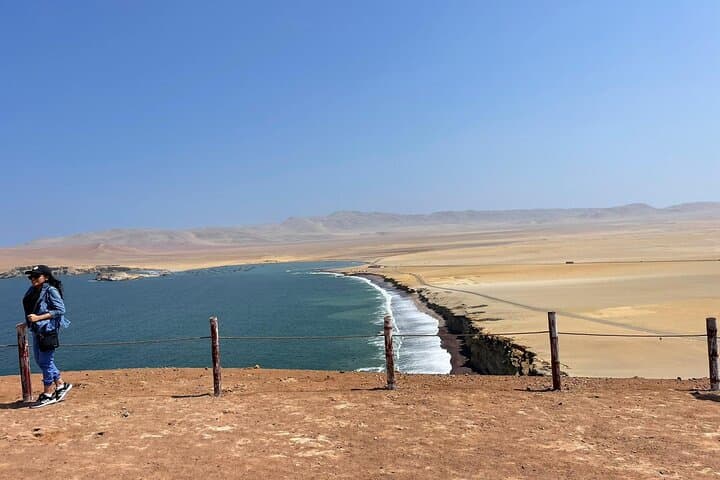
You step off the tourist bus and the Pacific wind immediately takes the temperature down, pushing a spray of salty air across low cliffs. Gravel paths run along sculpted limestone and wide, open beaches where waves pry fragments from the rocks and scatter them across the shore. The Paracas National Reserve feels less like a park and more like the coastline insisting on its own rules.
Verified experiences and guided adventures in the surrounding area.
Operated by PlayaRoja Tours · Paracas, Ica
You step off the tourist bus and the Pacific wind immediately takes the temperature down, pushing a spray of salty air across low cliffs. Gravel paths run along sculpted limestone and wide, open beaches where waves pry fragments from the rocks and scatter them across the shore. The Paracas National Reserve feels less like a park and more like the coastline insisting on its own rules.
This stretch of Peru’s southern coast is geologically active—limestone arches and columns at the so-called “Paracas Cathedral” are the result of persistent wind and wave erosion, while the red sands near Punta Santa María come from oxidized volcanic and igneous fragments. Centuries of indigenous use and later Spanish-era fishing settlements shaped local coastal culture; today small fishing villages still center life around the sea and its harvests.
On this four-hour bus loop expect short, interpretive stops at viewpoints, a seafood lunch break at a beachside restaurant, and a supervised swim at the reserve’s clearest cove. An official guide provides context on geology, birdlife and safe tide timing. Bring sun protection and a light wind layer; paths are mostly flat but exposed. Photography windows are brief—arrive early in the day for gentler light and calmer seas.
Practicalities: admission fees to the reserve may be paid locally, beaches have basic facilities, and the bus route is wheelchair accessible. The tour is ideal for travelers wanting a compact introduction to Paracas’s coastal landscapes without extensive hiking, offering wildlife viewing, cultural touchpoints and easily paced beach time.
easy.
4 hours.
Suitable for most fitness levels; involves short walks at viewpoints and standing on uneven surfaces.
Entrance fees are typically paid locally and are not included in this bus tour price; bring local currency to cover admission.
Yes — the itinerary includes a 60-minute stop at a beach with turquoise water suitable for swimming; conditions depend on tides and weather.
The operator indicates wheelchair-accessible transport and meeting areas, though some viewpoint paths may be uneven—check specifics when booking.
Lunch is not included; the tour allows a one-hour stop at a beachside restaurant where you can purchase fresh seafood and other dishes.
The reserve protects coastal ecosystems long used by pre-Columbian peoples and later fishing communities; modern protection emphasizes both biodiversity and cultural heritage.
Visitors should stay on marked paths, avoid collecting shells or rocks, and minimize plastic waste to protect breeding birds and fragile shore habitats.
PlayaRoja Tours operates guided outdoor trips and adventures with an emphasis on safety, stewardship, and memorable experiences.
You step off the tourist bus and the Pacific wind immediately takes the temperature down, pushing a spray of salty air across low cliffs. Gravel paths run along sculpted limestone and wide, open beaches where waves pry fragments from the rocks and scatter them across the shore. The Paracas National Reserve feels less like a park and more like the coastline insisting on its own rules.
You step off the tourist bus and the Pacific wind immediately takes the temperature down, pushing a spray of salty air across low cliffs. Gravel paths run along sculpted limestone and wide, open beaches where waves pry fragments from the rocks and scatter them across the shore. The Paracas National Reserve feels less like a park and more like the coastline insisting on its own rules.
This stretch of Peru’s southern coast is geologically active—limestone arches and columns at the so-called “Paracas Cathedral” are the result of persistent wind and wave erosion, while the red sands near Punta Santa María come from oxidized volcanic and igneous fragments. Centuries of indigenous use and later Spanish-era fishing settlements shaped local coastal culture; today small fishing villages still center life around the sea and its harvests.
On this four-hour bus loop expect short, interpretive stops at viewpoints, a seafood lunch break at a beachside restaurant, and a supervised swim at the reserve’s clearest cove. An official guide provides context on geology, birdlife and safe tide timing. Bring sun protection and a light wind layer; paths are mostly flat but exposed. Photography windows are brief—arrive early in the day for gentler light and calmer seas.
Practicalities: admission fees to the reserve may be paid locally, beaches have basic facilities, and the bus route is wheelchair accessible. The tour is ideal for travelers wanting a compact introduction to Paracas’s coastal landscapes without extensive hiking, offering wildlife viewing, cultural touchpoints and easily paced beach time.