THE ADVENTURE COLLECTIVE® · Independent discovery and booking for outdoor travel

A full-day speedboat excursion alternates close-up wildlife viewing at the Ballestas Islands with scenic stops around Paracas National Reserve. Expect sea lions, Humboldt penguins, dramatic cliffs and a relaxed beach lunch on Playa Lagunillas.
A full-day speedboat excursion alternates close-up wildlife viewing at the Ballestas Islands with scenic stops around Paracas National Reserve. Expect sea lions, Humboldt penguins, dramatic cliffs and a relaxed beach lunch on Playa Lagunillas.
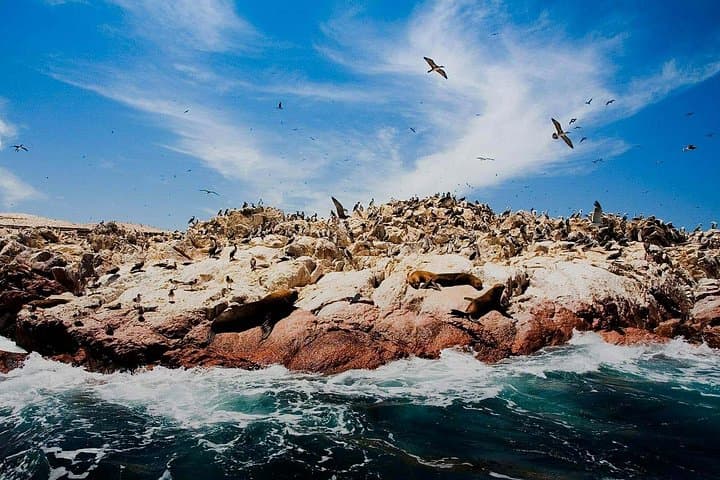
The morning light hits the gray wash of the Pacific and the speedboat slips forward, spray tasting of salt and dust from the desert. Sea lions bark like sentries along jagged rock, while guanay cormorants and pelicans wheel overhead; the Candelabro geoglyph on the peninsula appears like a chalk mark daring you to read the coast.
Verified experiences and guided adventures in the surrounding area.
Operated by Guia2 Perú · Paracas, Ica
The morning light hits the gray wash of the Pacific and the speedboat slips forward, spray tasting of salt and dust from the desert. Sea lions bark like sentries along jagged rock, while guanay cormorants and pelicans wheel overhead; the Candelabro geoglyph on the peninsula appears like a chalk mark daring you to read the coast.
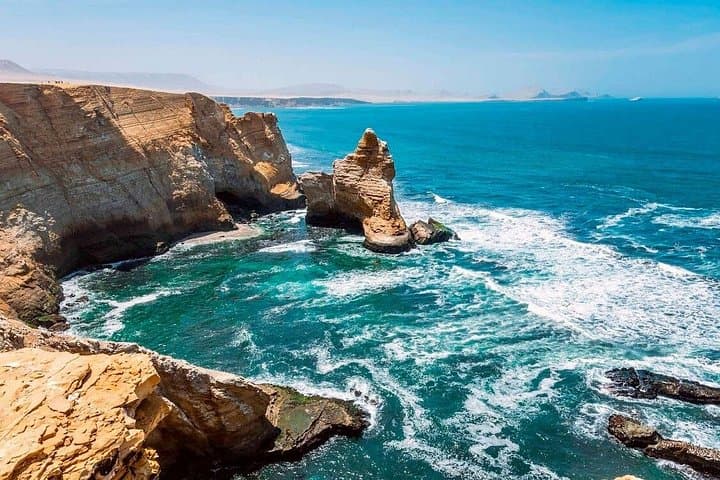
This route threads natural history and human history. The Ballestas Islands — often called the “Mini Galápagos” — are volcanic and sedimentary stacks hosting Humboldt penguins and vast seabird colonies. Offshore currents funnel nutrients from the Humboldt Current, making these waters wildly productive. Onshore, Paracas National Reserve preserves sculpted cliffs, fossil-rich terraces and beaches such as Playa Roja, shaped by iron-oxide sands and marine erosion. The region also carries cultural weight: Paracas-era textiles and burial practices date back millennia and reflect a long coastal human presence tied to the sea.
Practically, expect a mix of fast-boat viewing and short beach stops. The day typically includes a Candelabro pass-by, island wildlife viewing from the boat, then three reserve stops — Playa Roja, Playa Lagunillas (lunch option), and Playa La Mina — before returning late afternoon. The wind can rise quickly and sunlight is relentless; sea conditions are variable, so non-slip shoes and seasickness prep are wise. Bring a camera with a zoom, sun protection, and a light layer. Timing your visit in the morning improves wildlife visibility and reduces wind. This is an accessible, sensory-rich coastal day that pairs steep desert cliffs with an energetic marine world.
easy.
9 hours.
Suitable for most fitness levels; requires getting on/off a small boat and short, flat beach walks.
Boats approach the islands closely enough for clear viewing and photography, but landing on the islands is not permitted; wildlife is observed from the vessel.
Yes — the tour is rated easy and suitable for most ages, though boarding boats requires steady footing and long days can be tiring.
Some stops like Playa Lagunillas and Playa La Mina allow beach time; currents can be strong so follow guide instructions before entering the water.
Entrance logistics are handled as part of the tour, but book in advance during high season (December–February) when visitor numbers climb.
The Paracas region was home to an advanced pre-Inca culture noted for intricate textiles and coastal funerary practices dating back over 2,000 years.
Paracas National Reserve is a protected area balancing tourism and marine conservation; visitors should avoid leaving waste and follow guide instructions to minimize disturbance to colonies.
Guia2 Perú operates guided outdoor trips and adventures with an emphasis on safety, stewardship, and memorable experiences.
The morning light hits the gray wash of the Pacific and the speedboat slips forward, spray tasting of salt and dust from the desert. Sea lions bark like sentries along jagged rock, while guanay cormorants and pelicans wheel overhead; the Candelabro geoglyph on the peninsula appears like a chalk mark daring you to read the coast.
The morning light hits the gray wash of the Pacific and the speedboat slips forward, spray tasting of salt and dust from the desert. Sea lions bark like sentries along jagged rock, while guanay cormorants and pelicans wheel overhead; the Candelabro geoglyph on the peninsula appears like a chalk mark daring you to read the coast.
This route threads natural history and human history. The Ballestas Islands — often called the “Mini Galápagos” — are volcanic and sedimentary stacks hosting Humboldt penguins and vast seabird colonies. Offshore currents funnel nutrients from the Humboldt Current, making these waters wildly productive. Onshore, Paracas National Reserve preserves sculpted cliffs, fossil-rich terraces and beaches such as Playa Roja, shaped by iron-oxide sands and marine erosion. The region also carries cultural weight: Paracas-era textiles and burial practices date back millennia and reflect a long coastal human presence tied to the sea.
Practically, expect a mix of fast-boat viewing and short beach stops. The day typically includes a Candelabro pass-by, island wildlife viewing from the boat, then three reserve stops — Playa Roja, Playa Lagunillas (lunch option), and Playa La Mina — before returning late afternoon. The wind can rise quickly and sunlight is relentless; sea conditions are variable, so non-slip shoes and seasickness prep are wise. Bring a camera with a zoom, sun protection, and a light layer. Timing your visit in the morning improves wildlife visibility and reduces wind. This is an accessible, sensory-rich coastal day that pairs steep desert cliffs with an energetic marine world.