THE ADVENTURE COLLECTIVE® · Independent discovery and booking for outdoor travel

Spend a single, full day exploring Paracas’ Ballestas Islands, tasting Ica-region piscos, and charging the Huacachina dunes in buggies and on sandboards. Expect wildlife, wind-swept terrain and a long but rewarding itinerary.
Spend a single, full day exploring Paracas’ Ballestas Islands, tasting Ica-region piscos, and charging the Huacachina dunes in buggies and on sandboards. Expect wildlife, wind-swept terrain and a long but rewarding itinerary.
Morning light off the Humboldt Current paints low clouds silver as the bus pulls away from Lima; the city’s noise thins and the coast becomes a strip of salt, sand and wind. By mid-morning you’re on a panga skirting the Ballestas Islands—rock teeth rising from glassy water, sea lions hauling out and guanay cormorants wheeling overhead—before the engine noses back toward the desert.
Verified experiences and guided adventures in the surrounding area.
Operated by Wakaya experience · Huacachina, Ica
Morning light off the Humboldt Current paints low clouds silver as the bus pulls away from Lima; the city’s noise thins and the coast becomes a strip of salt, sand and wind. By mid-morning you’re on a panga skirting the Ballestas Islands—rock teeth rising from glassy water, sea lions hauling out and guanay cormorants wheeling overhead—before the engine noses back toward the desert.
The Ica valley folds inland from the shore: a geologic record of marine terraces and wind-sculpted dunes. The region’s history is practical and pungent—centuries of guano harvest, colonial grape cultivation and, more recently, pisco production that fuels tastings at local bodegas.
Afternoon brings a different rhythm in Huacachina’s dunes. Buggies race the slopes, sending up crests of sand that dare you to climb them; sandboarding offers quick, surging runs down faces that can exceed 60–100 m in height. The contrast—wild seabirds at the Ballestas and warm, dry air in the oasis—makes the day feel like two distinct ecosystems stitched together.
Practical guidance: expect a long day (most departures before 5:00 AM and returns late evening), bring layered sun protection, at least 2 liters of water, sturdy shoes for dune exits and a small waterproof bag for the boat trip. Pace yourself—boat rides can be choppy and dune runs are surprisingly physical; rest between adrenalin runs and use sunscreen and sunglasses rated for high UV.
Whether you’re there for wildlife, sand or pisco, this itinerary packs coastal biodiversity, desert adrenaline and local flavor into one intense Peruvian day.
easy.
16–17 hours.
Suitable for most fitness levels but requires stamina for a long day; sandboarding and dune exits need basic agility.
Most operators run a full-day schedule: expect about 3.5–4.5 hours drive each way plus boat and activity time, totaling roughly 16–17 hours.
Yes—beginners can try a sandboard on gentler slopes after a short briefing; buggies can provide faster runs for those preferring to ride.
Yes—the islands host Humboldt penguins among many seabirds and sea lions, though sightings depend on season and sea conditions.
Tastings at a local bodega are typically included; bring cash for extras and notify the operator of dietary restrictions in advance.
The Ica-Paracas corridor has long been a coastal resource hub—from pre-Columbian fishing cultures to guano harvesting and colonial-era vineyards that established pisco production.
Ballestas and Paracas lie near protected marine and coastal zones; stay on marked paths, avoid disturbing wildlife, and follow guides’ instructions to minimize impact.
Wakaya experience operates guided outdoor trips and adventures with an emphasis on safety, stewardship, and memorable experiences.
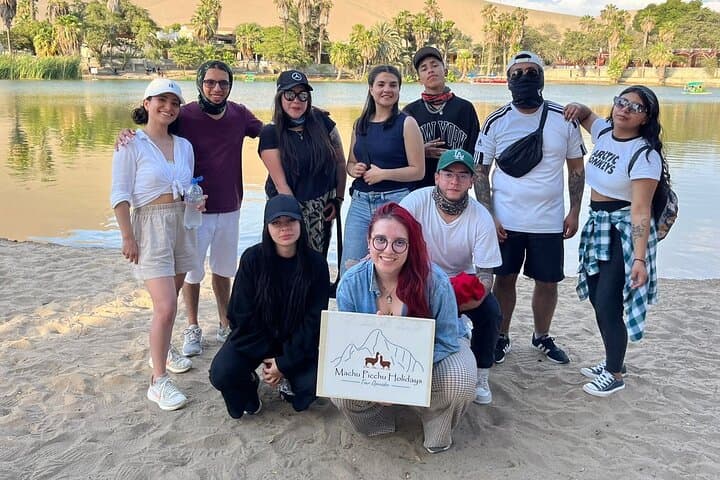


Morning light off the Humboldt Current paints low clouds silver as the bus pulls away from Lima; the city’s noise thins and the coast becomes a strip of salt, sand and wind. By mid-morning you’re on a panga skirting the Ballestas Islands—rock teeth rising from glassy water, sea lions hauling out and guanay cormorants wheeling overhead—before the engine noses back toward the desert.
Morning light off the Humboldt Current paints low clouds silver as the bus pulls away from Lima; the city’s noise thins and the coast becomes a strip of salt, sand and wind. By mid-morning you’re on a panga skirting the Ballestas Islands—rock teeth rising from glassy water, sea lions hauling out and guanay cormorants wheeling overhead—before the engine noses back toward the desert.
The Ica valley folds inland from the shore: a geologic record of marine terraces and wind-sculpted dunes. The region’s history is practical and pungent—centuries of guano harvest, colonial grape cultivation and, more recently, pisco production that fuels tastings at local bodegas.
Afternoon brings a different rhythm in Huacachina’s dunes. Buggies race the slopes, sending up crests of sand that dare you to climb them; sandboarding offers quick, surging runs down faces that can exceed 60–100 m in height. The contrast—wild seabirds at the Ballestas and warm, dry air in the oasis—makes the day feel like two distinct ecosystems stitched together.
Practical guidance: expect a long day (most departures before 5:00 AM and returns late evening), bring layered sun protection, at least 2 liters of water, sturdy shoes for dune exits and a small waterproof bag for the boat trip. Pace yourself—boat rides can be choppy and dune runs are surprisingly physical; rest between adrenalin runs and use sunscreen and sunglasses rated for high UV.
Whether you’re there for wildlife, sand or pisco, this itinerary packs coastal biodiversity, desert adrenaline and local flavor into one intense Peruvian day.