THE ADVENTURE COLLECTIVE® · Independent discovery and booking for outdoor travel

A short, three-hour sunset hike into Paracas National Reserve that highlights cliff views, seabird colonies, and dramatic late-day light. Ideal for travelers who want easy access to coastal scenery and wildlife without strenuous effort.
A short, three-hour sunset hike into Paracas National Reserve that highlights cliff views, seabird colonies, and dramatic late-day light. Ideal for travelers who want easy access to coastal scenery and wildlife without strenuous effort.
You arrive on the wind-scalloped cliffs of Paracas as the ocean pushes its last light across ochre rock. The trail is short and deliberate—a low, coastal ridge that gives way to raw sea views and flocks of cormorants circling like paper kites. As the sun drops, shadows lengthen and the sandstone walls take on a rich, burnished glow that the guide calls the ‘golden shadows.’
Verified experiences and guided adventures in the surrounding area.
Operated by Paracas Es Aventura · Paracas, Ica
You arrive on the wind-scalloped cliffs of Paracas as the ocean pushes its last light across ochre rock. The trail is short and deliberate—a low, coastal ridge that gives way to raw sea views and flocks of cormorants circling like paper kites. As the sun drops, shadows lengthen and the sandstone walls take on a rich, burnished glow that the guide calls the ‘golden shadows.’
The Reserve protects a stretch of desert coastline carved by tectonics and the Humboldt Current; the cliffs are fossil-rich and punctuated by sandy coves where guano birds roost. Human history here reaches back to the Paracas culture, famous for intricate textiles and seaside cemeteries; modern conservation began in the 1970s to shield breeding seabirds and fragile marine habitats.
Culturally the place is pragmatic and maritime—fisherfolk in nearby Paracas and Pisco still read the winds the way guides read the light. Geologically the cliffs are compacted sands and conglomerates that erode quickly, so stay on marked tracks and respect restricted areas.
Practical guidance: this is a very light, three-hour hike with minimal elevation change; expect sandy, uneven footing and steady coastal wind. Aim to arrive 60–90 minutes before sunset for best light and photos. Wear layered windproof clothing, sun protection, sturdy closed-toe shoes with good traction, and bring water and binoculars. Keep voices low near bird colonies and follow your guide’s instructions—this is a protected reserve where timing and placement matter for wildlife.
The reward is simple: a short walk that promises cinematic light, seabird theater, and a reminder of how desert and sea can shape dramatic moments in under an hour of walking.
easy.
3 hours.
Suitable for all fitness levels; minimal elevation and short distance but requires steady footing on sand and rock.
The activity lasts about three hours and is described as very light—short distance with minimal elevation gain, suitable for most fitness levels.
Yes; the trek is easy but not recommended for people with serious mobility, spinal, or heart issues—check tour restrictions before booking.
Expect seabirds like cormorants and boobies and often sea lions along the coast; sightings aren’t guaranteed but common in the reserve.
Bring a camera with a zoom, a small tripod or stable surface, spare batteries, and arrive early to scout compositions before the light fades.
Paracas National Reserve was created in the 1970s to protect coastal and marine ecosystems; the nearby Paracas culture left notable textile and archaeological sites along the peninsula.
The reserve balances tourism and protection—stay on trails, avoid disturbing nesting birds, and follow guides to minimize impact on fragile cliff habitats.
Paracas Es Aventura operates guided outdoor trips and adventures with an emphasis on safety, stewardship, and memorable experiences.
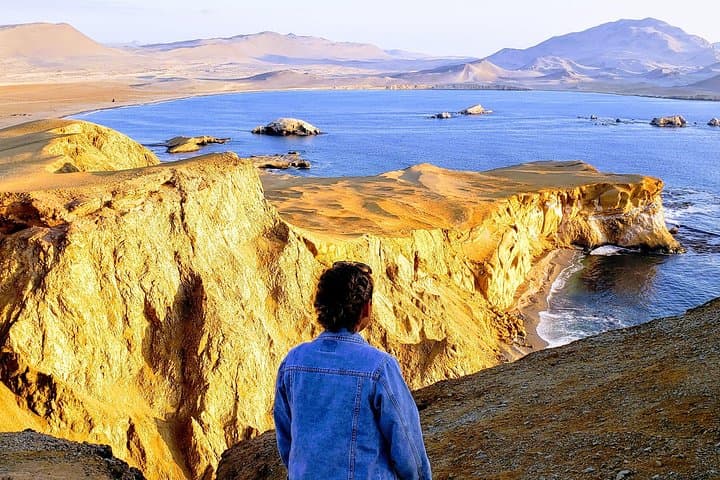
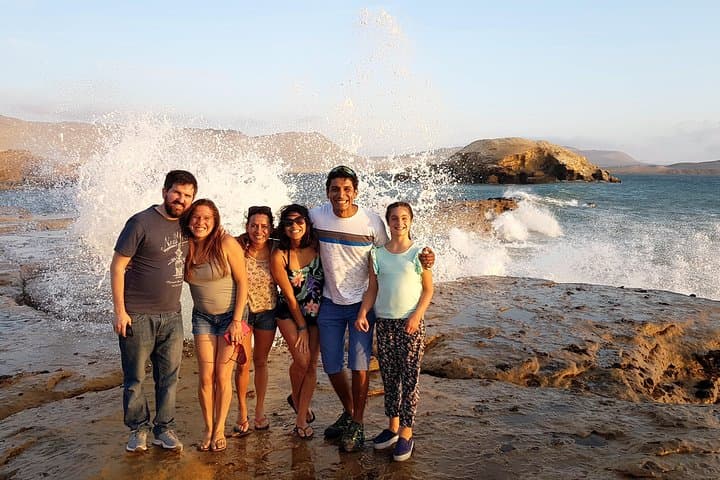
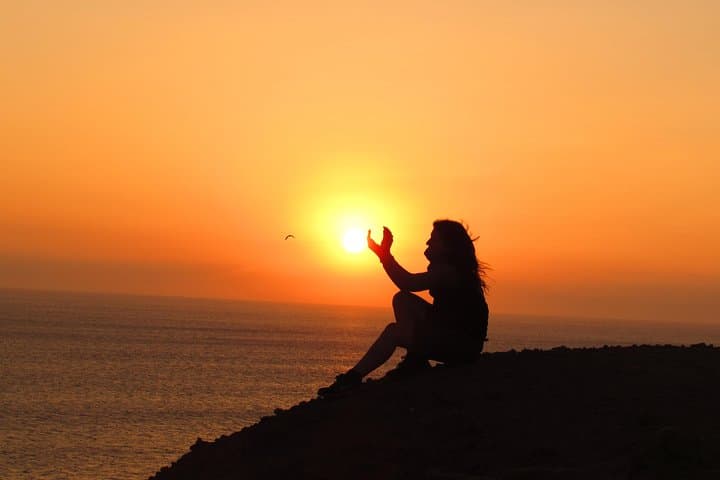
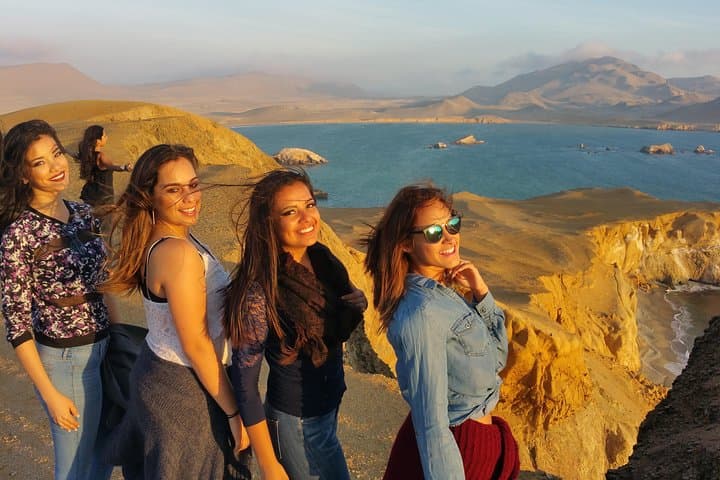
You arrive on the wind-scalloped cliffs of Paracas as the ocean pushes its last light across ochre rock. The trail is short and deliberate—a low, coastal ridge that gives way to raw sea views and flocks of cormorants circling like paper kites. As the sun drops, shadows lengthen and the sandstone walls take on a rich, burnished glow that the guide calls the ‘golden shadows.’
You arrive on the wind-scalloped cliffs of Paracas as the ocean pushes its last light across ochre rock. The trail is short and deliberate—a low, coastal ridge that gives way to raw sea views and flocks of cormorants circling like paper kites. As the sun drops, shadows lengthen and the sandstone walls take on a rich, burnished glow that the guide calls the ‘golden shadows.’
The Reserve protects a stretch of desert coastline carved by tectonics and the Humboldt Current; the cliffs are fossil-rich and punctuated by sandy coves where guano birds roost. Human history here reaches back to the Paracas culture, famous for intricate textiles and seaside cemeteries; modern conservation began in the 1970s to shield breeding seabirds and fragile marine habitats.
Culturally the place is pragmatic and maritime—fisherfolk in nearby Paracas and Pisco still read the winds the way guides read the light. Geologically the cliffs are compacted sands and conglomerates that erode quickly, so stay on marked tracks and respect restricted areas.
Practical guidance: this is a very light, three-hour hike with minimal elevation change; expect sandy, uneven footing and steady coastal wind. Aim to arrive 60–90 minutes before sunset for best light and photos. Wear layered windproof clothing, sun protection, sturdy closed-toe shoes with good traction, and bring water and binoculars. Keep voices low near bird colonies and follow your guide’s instructions—this is a protected reserve where timing and placement matter for wildlife.
The reward is simple: a short walk that promises cinematic light, seabird theater, and a reminder of how desert and sea can shape dramatic moments in under an hour of walking.