THE ADVENTURE COLLECTIVE® · Independent discovery and booking for outdoor travel

Spend a single, action-packed day in Paracas exploring bird-rich Ballestas Islands by boat, driving minibuggies through Paracas National Reserve, and speeding down dunes on a dunebuggy before sandboarding at sunset. Expect wildlife viewing, desert geology, and a full 10‑hour itinerary.
Spend a single, action-packed day in Paracas exploring bird-rich Ballestas Islands by boat, driving minibuggies through Paracas National Reserve, and speeding down dunes on a dunebuggy before sandboarding at sunset. Expect wildlife viewing, desert geology, and a full 10‑hour itinerary.
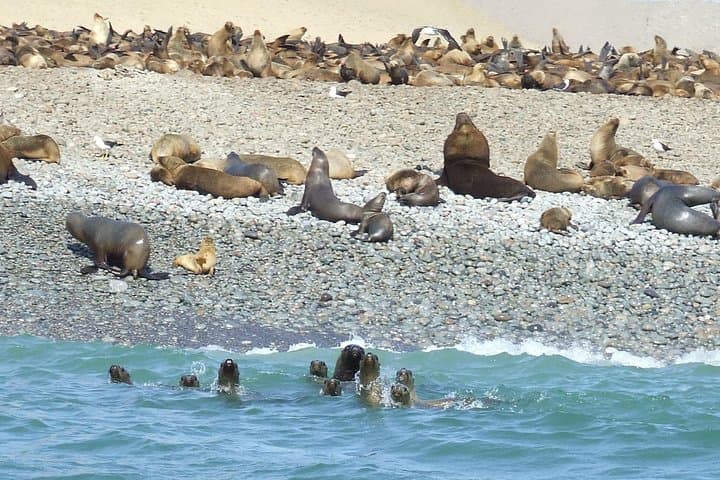
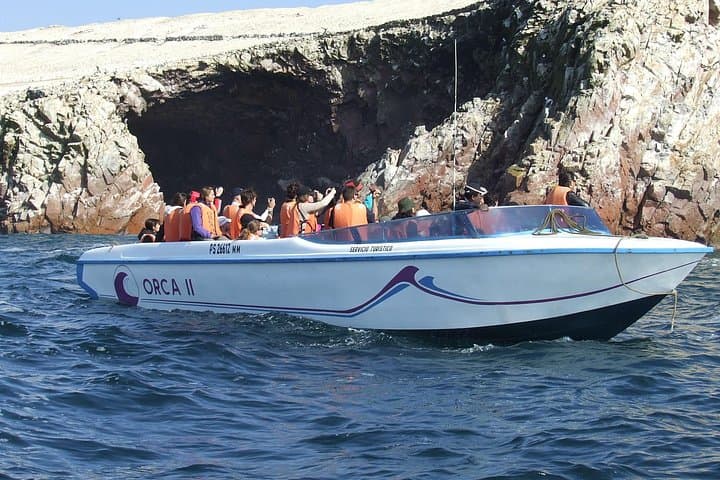
Morning light hits the salt-stiff cliffs of Paracas and the harbour smells of diesel and seaweed — gulls argue over the wake as the boat pulls away toward the Ballestas Islands. Out on the water, sea lions haul onto rocky ledges and groups of pelicans wheel low; the islands themselves seem to dare you to look away.
Verified experiences and guided adventures in the surrounding area.
Operated by Pisco Travel · Paracas, Ica
Morning light hits the salt-stiff cliffs of Paracas and the harbour smells of diesel and seaweed — gulls argue over the wake as the boat pulls away toward the Ballestas Islands. Out on the water, sea lions haul onto rocky ledges and groups of pelicans wheel low; the islands themselves seem to dare you to look away.
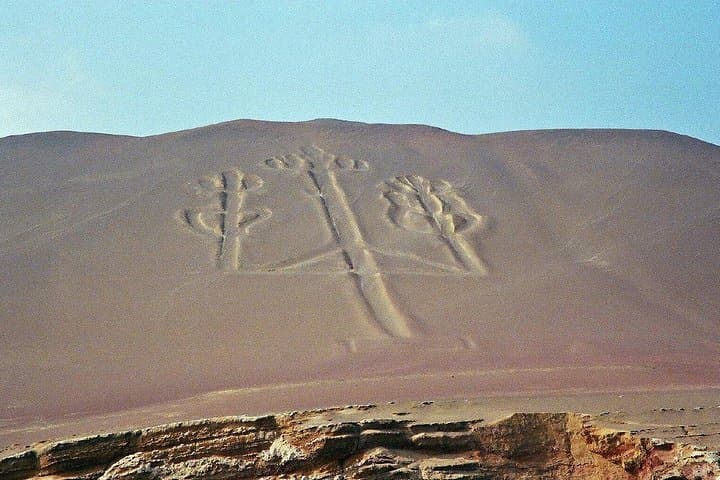
This full-day loop pairs two landscapes: the rich marine outposts of the Ballestas — carved by currents that concentrate food and life — and the scoured desert of the Paracas National Reserve, where wind has sculpted cliffs and dunes over millennia. The Candelabro geoglyph on the headland echoes inland Nazca traditions; the name Paracas comes from an ancient culture known for textiles and maritime fishing techniques that sustained coastal communities long before modern tourism.
On land you’ll take a two-seater minibuggy into the reserve past La Catedral rock formation and Playa Roja, then switch to a dunebuggy for high-speed runs over the Desert of California’s shifting sand. Sandboarding here is less technical than alpine snowboarding but requires balance and steady footing.
Practicalities: the day runs about 10 hours with boat and vehicle transfers from the marina; lunch isn’t included. Expect sun, wind, and salt spray — bring sun protection, closed-toe shoes for buggy sections, and layers for the boat. Boat rides can be choppy; if you get seasick, take precautions.
Timing: start early for wildlife activity and finish late afternoon when dunes glow. The route is accessible to most fitness levels but includes repetitive motion when sandboarding and short walks to viewpoints. Leave no trace: dunes and nesting grounds are fragile and best viewed without disturbing wildlife.
moderate.
10 hours.
Suitable for generally active travelers; requires balance for sandboarding and tolerance for boat rides.
No — lunch is not included; most itineraries include a break at a local restaurant where you can buy food.
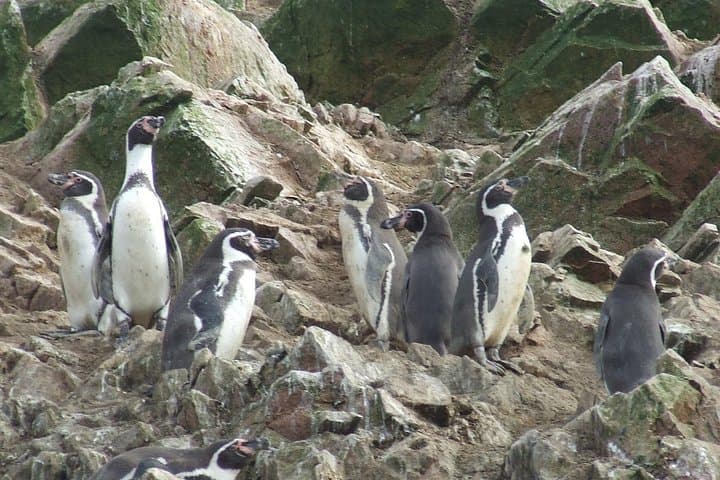
Yes — expect Humboldt penguins, pelicans, cormorants, and frequently sea lions; sightings vary with season and sea conditions.
Minibuggies are typically two-seaters driven by guests with instructor briefing; dunebuggies may be shared or driven by staff depending on booking and experience.
The boat and buggy segments are generally family-friendly but require getting on/off boats and climbing into low vehicles; infants must sit on laps and discuss accessibility needs with the operator.
Paracas is named after an ancient coastal culture known for textile weaving and maritime subsistence; the Candelabro geoglyph ties this coast to the broader Nazca cultural corridor.
Paracas National Reserve protects seabird breeding grounds and fragile desert ecosystems — stay on marked routes, avoid trampling dunes, and don’t feed wildlife.
Pisco Travel operates guided outdoor trips and adventures with an emphasis on safety, stewardship, and memorable experiences.
Morning light hits the salt-stiff cliffs of Paracas and the harbour smells of diesel and seaweed — gulls argue over the wake as the boat pulls away toward the Ballestas Islands. Out on the water, sea lions haul onto rocky ledges and groups of pelicans wheel low; the islands themselves seem to dare you to look away.
Morning light hits the salt-stiff cliffs of Paracas and the harbour smells of diesel and seaweed — gulls argue over the wake as the boat pulls away toward the Ballestas Islands. Out on the water, sea lions haul onto rocky ledges and groups of pelicans wheel low; the islands themselves seem to dare you to look away.
This full-day loop pairs two landscapes: the rich marine outposts of the Ballestas — carved by currents that concentrate food and life — and the scoured desert of the Paracas National Reserve, where wind has sculpted cliffs and dunes over millennia. The Candelabro geoglyph on the headland echoes inland Nazca traditions; the name Paracas comes from an ancient culture known for textiles and maritime fishing techniques that sustained coastal communities long before modern tourism.
On land you’ll take a two-seater minibuggy into the reserve past La Catedral rock formation and Playa Roja, then switch to a dunebuggy for high-speed runs over the Desert of California’s shifting sand. Sandboarding here is less technical than alpine snowboarding but requires balance and steady footing.
Practicalities: the day runs about 10 hours with boat and vehicle transfers from the marina; lunch isn’t included. Expect sun, wind, and salt spray — bring sun protection, closed-toe shoes for buggy sections, and layers for the boat. Boat rides can be choppy; if you get seasick, take precautions.
Timing: start early for wildlife activity and finish late afternoon when dunes glow. The route is accessible to most fitness levels but includes repetitive motion when sandboarding and short walks to viewpoints. Leave no trace: dunes and nesting grounds are fragile and best viewed without disturbing wildlife.