THE ADVENTURE COLLECTIVE® · Independent discovery and booking for outdoor travel

A single long day that pairs wildlife boat trips at the Ballestas Islands with wine and pisco tastings in Ica and high‑speed dune buggy runs at Huacachina. Expect coastal wildlife, desert geology, and adrenaline all in one trip.
A single long day that pairs wildlife boat trips at the Ballestas Islands with wine and pisco tastings in Ica and high‑speed dune buggy runs at Huacachina. Expect coastal wildlife, desert geology, and adrenaline all in one trip.
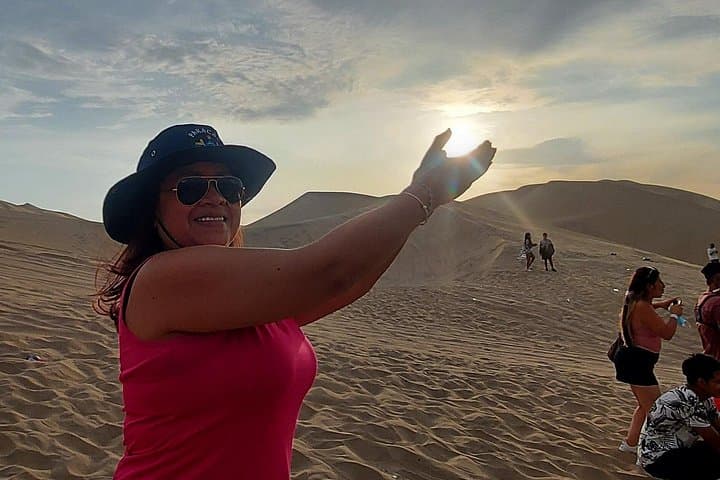
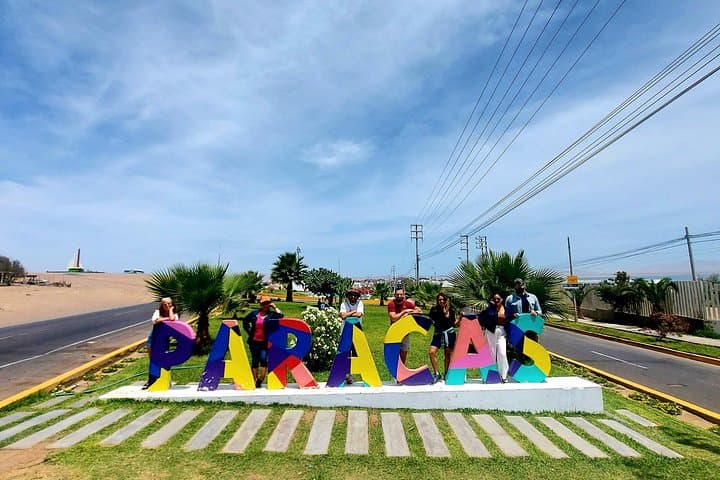
You step off the air‑conditioned minivan at dawn and the Pacific wind pulls at your hat — gulls argue with the surf and the dunes already glitter with a thin crust of sand. The day stretches from salt‑spray mornings at Paracas National Reserve to late‑afternoon adrenaline on Huacachina’s dunes, a full‑throttle circuit through coastal wildlife, desert geology and regional foodways.
Verified experiences and guided adventures in the surrounding area.
Operated by Jesús Gabriel · Ica, Ica Region
You step off the air‑conditioned minivan at dawn and the Pacific wind pulls at your hat — gulls argue with the surf and the dunes already glitter with a thin crust of sand. The day stretches from salt‑spray mornings at Paracas National Reserve to late‑afternoon adrenaline on Huacachina’s dunes, a full‑throttle circuit through coastal wildlife, desert geology and regional foodways.
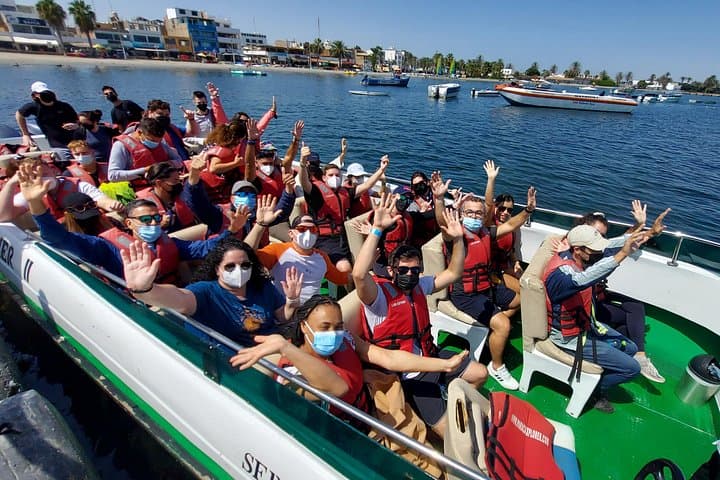
The Ballestas Islands are a compressed marine world: steep rock stacks carved by waves that cradle colonies of Humboldt penguins, guanay cormorants and sea lions. Offshore upwelling makes this stretch of the Peruvian coast unusually productive — the same currents that fed pre‑Columbian guano economies still sustain modern fisheries and seabird rookeries. Inland, Ica’s flat, sandy basin holds Huacachina, an archetypal desert oasis whose lagoon has drawn locals and travelers for generations and now fronts the region’s dune sports culture.
Practical guidance: the day is long (expect ~14–16 hours). Bring sunscreen, sturdy closed shoes for dune runs, and motion‑sickness remedies for the boat. Tour operators include an English/Spanish guide, port permits, a lunch of regional dishes and a pisco tasting in Ica, followed by guided buggy and sandboarding sessions; operators emphasize safety but avoid this if you have spinal or cardiovascular issues or are pregnant.
Timing matters — morning boat trips are calmer and wildlife is most active then; late afternoon on the dunes gives the best light for photos and cooler sand for boards. Hydrate, lock valuables in the vehicle, and lean into the contrast: the sea daring you west, the desert pushing east; both demand respect and repay attention with clear, raw moments of coastal Peru.
moderate.
14–16 hours.
Suitable for travelers in moderate fitness — able to handle a long day, short hikes on sand, and brief high‑adrenaline rides.
The full day runs about 14–16 hours; many departures are from Lima with private transport included, though pickup point is confirmed at booking.
Yes — common sightings include Humboldt penguins, guanay cormorants and South American sea lions; wildlife viewing depends on sea conditions and port permissions.
Operators provide helmets, brief instruction and guided dune routes; it’s adrenaline sport but not technical — avoid if you have spinal, heart, or pregnancy contraindications.
Lunch features regional dishes from Ica and a sample of chicha morada, and the tour typically includes a guided wine and pisco tasting at a local bodega.
The Paracas coast has long been a marine resource zone; 19th‑century guano extraction reshaped regional economy and drew global interest, while Huacachina grew as a local leisure spot that later became a dune‑sports hub.
Paracas National Reserve is a protected area with regulated boat access to Ballestas; respect wildlife distances and avoid leaving litter—sustainable tourism supports both seabird breeding and local fisheries.
Jesús Gabriel operates guided outdoor trips and adventures with an emphasis on safety, stewardship, and memorable experiences.

You step off the air‑conditioned minivan at dawn and the Pacific wind pulls at your hat — gulls argue with the surf and the dunes already glitter with a thin crust of sand. The day stretches from salt‑spray mornings at Paracas National Reserve to late‑afternoon adrenaline on Huacachina’s dunes, a full‑throttle circuit through coastal wildlife, desert geology and regional foodways.
You step off the air‑conditioned minivan at dawn and the Pacific wind pulls at your hat — gulls argue with the surf and the dunes already glitter with a thin crust of sand. The day stretches from salt‑spray mornings at Paracas National Reserve to late‑afternoon adrenaline on Huacachina’s dunes, a full‑throttle circuit through coastal wildlife, desert geology and regional foodways.
The Ballestas Islands are a compressed marine world: steep rock stacks carved by waves that cradle colonies of Humboldt penguins, guanay cormorants and sea lions. Offshore upwelling makes this stretch of the Peruvian coast unusually productive — the same currents that fed pre‑Columbian guano economies still sustain modern fisheries and seabird rookeries. Inland, Ica’s flat, sandy basin holds Huacachina, an archetypal desert oasis whose lagoon has drawn locals and travelers for generations and now fronts the region’s dune sports culture.
Practical guidance: the day is long (expect ~14–16 hours). Bring sunscreen, sturdy closed shoes for dune runs, and motion‑sickness remedies for the boat. Tour operators include an English/Spanish guide, port permits, a lunch of regional dishes and a pisco tasting in Ica, followed by guided buggy and sandboarding sessions; operators emphasize safety but avoid this if you have spinal or cardiovascular issues or are pregnant.
Timing matters — morning boat trips are calmer and wildlife is most active then; late afternoon on the dunes gives the best light for photos and cooler sand for boards. Hydrate, lock valuables in the vehicle, and lean into the contrast: the sea daring you west, the desert pushing east; both demand respect and repay attention with clear, raw moments of coastal Peru.