THE ADVENTURE COLLECTIVE® · Independent discovery and booking for outdoor travel

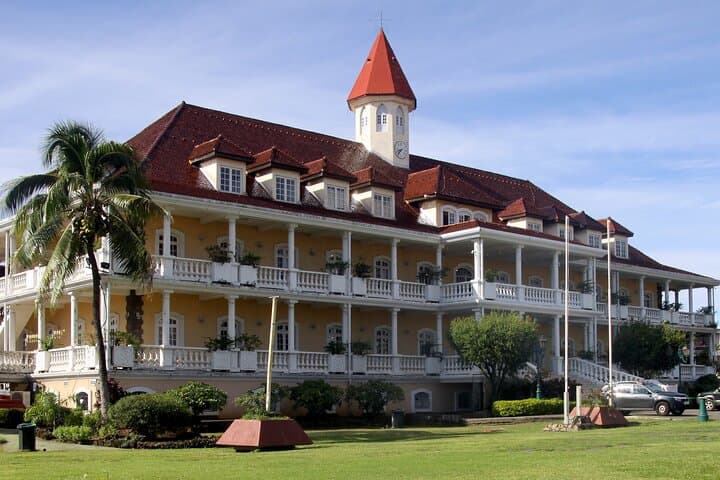
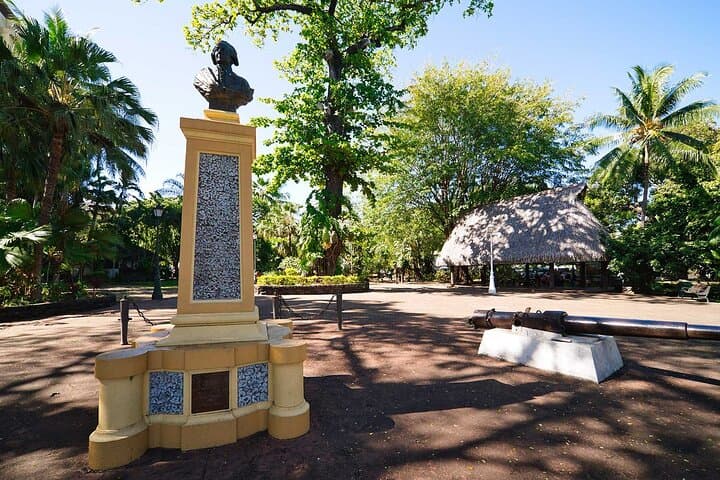
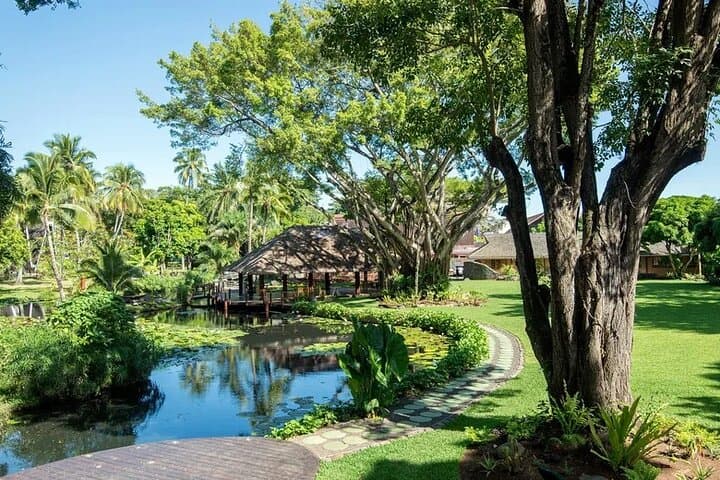
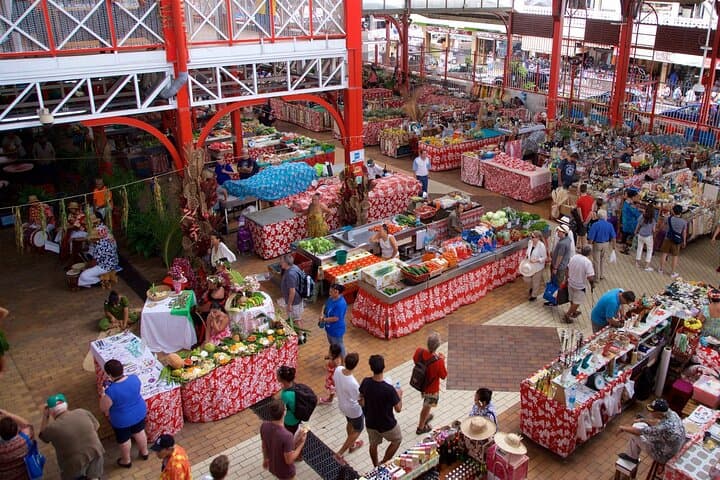
Walk Papeete’s waterfront neighborhoods with a local guide to visit Bougainville Park, the cathedral, the bustling market and colonial-era Town Hall. This two-hour shared tour blends history, politics and market life into an accessible city stroll.
Walk Papeete’s waterfront neighborhoods with a local guide to visit Bougainville Park, the cathedral, the bustling market and colonial-era Town Hall. This two-hour shared tour blends history, politics and market life into an accessible city stroll.
Morning light slices across Papeete’s waterfront as the harbor breeze dares you to follow the market’s chatter.
Verified experiences and guided adventures in the surrounding area.
Operated by Papeete Discovery · Papeete, Tahiti
Morning light slices across Papeete’s waterfront as the harbor breeze dares you to follow the market’s chatter.
This compact, two-hour walking tour moves at a city pace—stops at Bougainville Park, the Assembly of French Polynesia, the Catholic Cathedral, the lively municipal market, and the Town Hall stitch a clear line through Papeete’s past and present. You’ll feel the volcanic backbone of Tahiti behind the town—steep ridges and a dense interior that shaped settlement patterns—while the lagoon laps quietly at the quay.
History here is visible: European explorers like Bougainville and later missionaries rewrote political and religious life, and French colonial architecture leaves its mark on facades and civic spaces. The market hums with local culture—flowers, tifaifai textiles, and vendors selling poisson cru—offering a direct link to contemporary daily life.
Practically, expect roughly 1.5–2 miles of flat, wheelchair-accessible walking on paved streets with frequent stops for interpretation. Mornings are best for cooler temperatures and peak market activity; afternoons can be hotter and wetter during the wet season. Guides often include free admission to visited buildings and keep groups to a manageable size for conversation and questions.
Bring sun protection, small bills for purchases, and a curiosity for both the civic stories and the sensory details—the scent of freshly cut flowers, the clip of Tahitian French, and the harbor breeze that keeps the city moving.
moderate.
2 hours.
Moderate — mostly flat city walking with short standing stops; suitable for most people with basic mobility
Meet outside the Papeete tourist office opposite the waterfront; guides will be waiting there at the scheduled time.
Yes — the route is on paved, accessible surfaces and the itinerary notes wheelchair accessibility for most stops.
Shared tours cap at around 25 participants to keep commentary engaging and manageable.
Yes — the market has food stalls and vendors; bring small bills and let your guide point out safe local specialties.
Papeete’s modern layout grew after European contact in the 18th century; missionaries and French colonial administration reshaped religious and civic institutions that remain visible today.
Support sustainable tourism by buying from local artisans and using reef-safe sunscreen; Papeete’s markets and lagoons benefit from visitor practices that reduce plastic and protect coral.
Papeete Discovery operates guided outdoor trips and adventures with an emphasis on safety, stewardship, and memorable experiences.
Morning light slices across Papeete’s waterfront as the harbor breeze dares you to follow the market’s chatter.
Morning light slices across Papeete’s waterfront as the harbor breeze dares you to follow the market’s chatter.
This compact, two-hour walking tour moves at a city pace—stops at Bougainville Park, the Assembly of French Polynesia, the Catholic Cathedral, the lively municipal market, and the Town Hall stitch a clear line through Papeete’s past and present. You’ll feel the volcanic backbone of Tahiti behind the town—steep ridges and a dense interior that shaped settlement patterns—while the lagoon laps quietly at the quay.
History here is visible: European explorers like Bougainville and later missionaries rewrote political and religious life, and French colonial architecture leaves its mark on facades and civic spaces. The market hums with local culture—flowers, tifaifai textiles, and vendors selling poisson cru—offering a direct link to contemporary daily life.
Practically, expect roughly 1.5–2 miles of flat, wheelchair-accessible walking on paved streets with frequent stops for interpretation. Mornings are best for cooler temperatures and peak market activity; afternoons can be hotter and wetter during the wet season. Guides often include free admission to visited buildings and keep groups to a manageable size for conversation and questions.
Bring sun protection, small bills for purchases, and a curiosity for both the civic stories and the sensory details—the scent of freshly cut flowers, the clip of Tahitian French, and the harbor breeze that keeps the city moving.