THE ADVENTURE COLLECTIVE® · Independent discovery and booking for outdoor travel

Walk Papeete’s market, meet ukulele players and artisans, and taste Tahitian specialties on a three-hour cultural tour. Expect hands-on demos, short dance lessons, and insider stories from locals.
Walk Papeete’s market, meet ukulele players and artisans, and taste Tahitian specialties on a three-hour cultural tour. Expect hands-on demos, short dance lessons, and insider stories from locals.
You step off the ferry into Papeete’s market square where the air is thick with citrus and grilled fish, and a ukulele rhythm threads through the crowd. Vendors lift halved coconuts while dancers polish steps nearby; this is a city that greets you with sound and flavor.
Verified experiences and guided adventures in the surrounding area.
Operated by Nani · Papeete, Tahiti
You step off the ferry into Papeete’s market square where the air is thick with citrus and grilled fish, and a ukulele rhythm threads through the crowd. Vendors lift halved coconuts while dancers polish steps nearby; this is a city that greets you with sound and flavor.
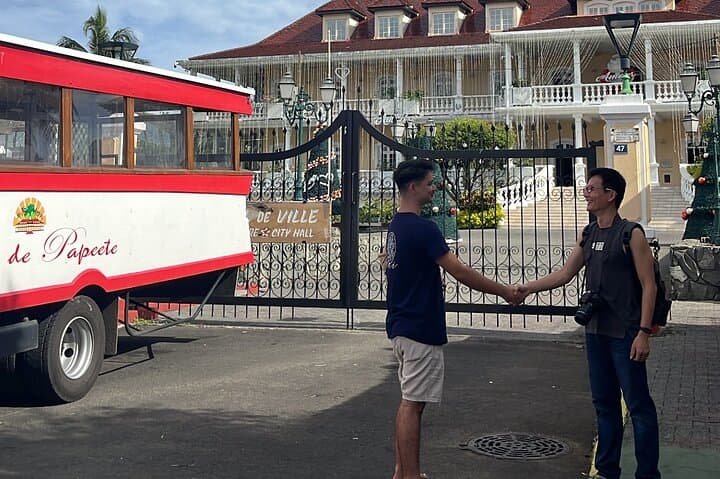
Papeete grew as Tahiti’s primary port, a crossroads of Polynesian navigation and later French colonial trade; its waterfront and market still reflect that practical mix of island sustenance and global influence. Geologically, Tahiti is a volcanic island rimmed by coral reefs, so the city sits where black-lava ridgelines meet lagoon flats — a physical meeting of sea and stone.
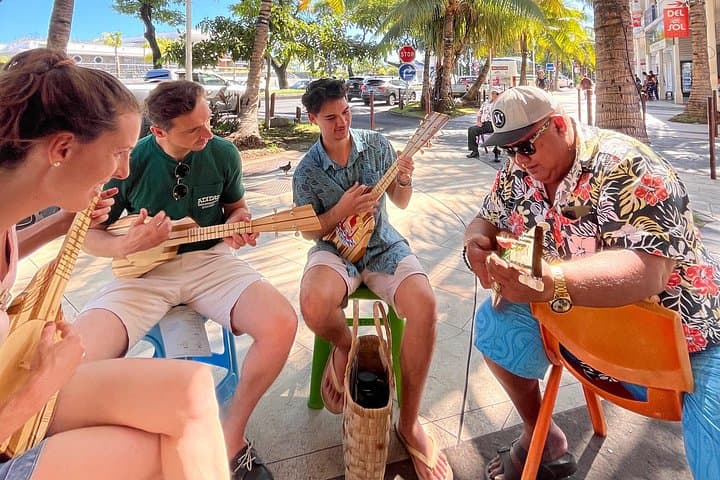
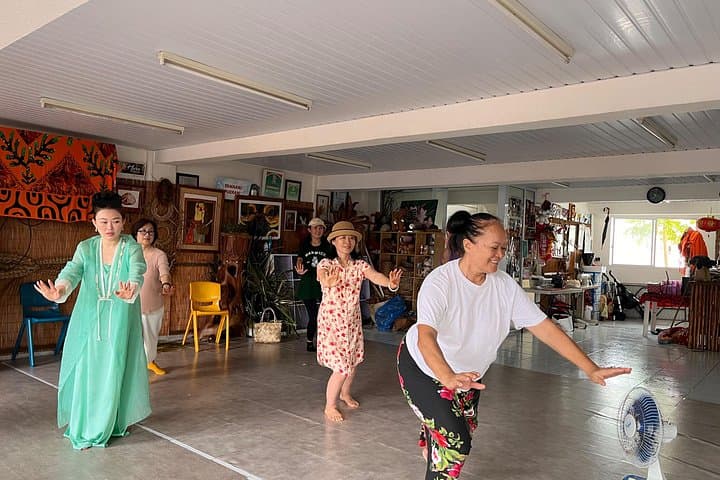
Culturally, expect hands-on moments: pareo draping, a short lesson in ʻori Tahiti (Tahitian dance), and casual ukulele jams with street musicians. Local artisans sell wood carvings and shell jewelry; small snacks—fresh fruit, poisson cru, coconut sweets—are part of the introduction to flavors many visitors miss.
Practically, the tour covers paved streets and market alleys over about three hours with light walking and frequent stops. Mornings bring cooler air and the best market energy; afternoons are warmer and livelier at waterfront cafés. Bring sun protection and comfortable shoes, keep small bills for purchases, and arrive ready to ask questions — locals appreciate curiosity and polite interest. The experience is casual, inclusive, and geared to leave you with names, tastes, and a clearer sense of contemporary Tahitian life rather than a checklist of monuments.
easy.
3 hours.
Suitable for most fitness levels; involves mostly flat, urban walking with several stops
The tour lasts about three hours and moves at a casual pace with frequent stops for tasting and demonstrations.
Yes—activity is light and inclusive; the itinerary includes short walking segments and seated tastings.
Yes—guides can arrange vegetarian or gluten-free snack options if advised at booking.
Tours are typically conducted in French and English; local guides may mix Tahitian words and explain cultural terms.
Papeete developed as Tahiti’s central port in the 19th century, growing into the administrative heart under French influence while maintaining Polynesian cultural practices.
Support local vendors and artisans directly, avoid single-use plastics, and follow guides’ advice to protect fragile reef and shoreline areas.
Nani operates guided outdoor trips and adventures with an emphasis on safety, stewardship, and memorable experiences.
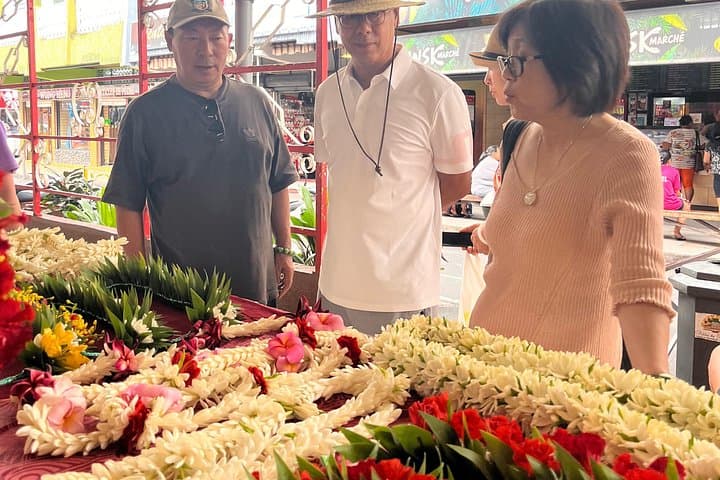
You step off the ferry into Papeete’s market square where the air is thick with citrus and grilled fish, and a ukulele rhythm threads through the crowd. Vendors lift halved coconuts while dancers polish steps nearby; this is a city that greets you with sound and flavor.
You step off the ferry into Papeete’s market square where the air is thick with citrus and grilled fish, and a ukulele rhythm threads through the crowd. Vendors lift halved coconuts while dancers polish steps nearby; this is a city that greets you with sound and flavor.
Papeete grew as Tahiti’s primary port, a crossroads of Polynesian navigation and later French colonial trade; its waterfront and market still reflect that practical mix of island sustenance and global influence. Geologically, Tahiti is a volcanic island rimmed by coral reefs, so the city sits where black-lava ridgelines meet lagoon flats — a physical meeting of sea and stone.
Culturally, expect hands-on moments: pareo draping, a short lesson in ʻori Tahiti (Tahitian dance), and casual ukulele jams with street musicians. Local artisans sell wood carvings and shell jewelry; small snacks—fresh fruit, poisson cru, coconut sweets—are part of the introduction to flavors many visitors miss.
Practically, the tour covers paved streets and market alleys over about three hours with light walking and frequent stops. Mornings bring cooler air and the best market energy; afternoons are warmer and livelier at waterfront cafés. Bring sun protection and comfortable shoes, keep small bills for purchases, and arrive ready to ask questions — locals appreciate curiosity and polite interest. The experience is casual, inclusive, and geared to leave you with names, tastes, and a clearer sense of contemporary Tahitian life rather than a checklist of monuments.