THE ADVENTURE COLLECTIVE® · Independent discovery and booking for outdoor travel

Drive 65 km east of Quito into high páramo and then down into dripping cloud forest on this full-day tour. Expect condors and paramo vistas at Papallacta Pass and hummingbird chaos at Guango, with an optional soak in Papallacta hot springs to finish.
Drive 65 km east of Quito into high páramo and then down into dripping cloud forest on this full-day tour. Expect condors and paramo vistas at Papallacta Pass and hummingbird chaos at Guango, with an optional soak in Papallacta hot springs to finish.
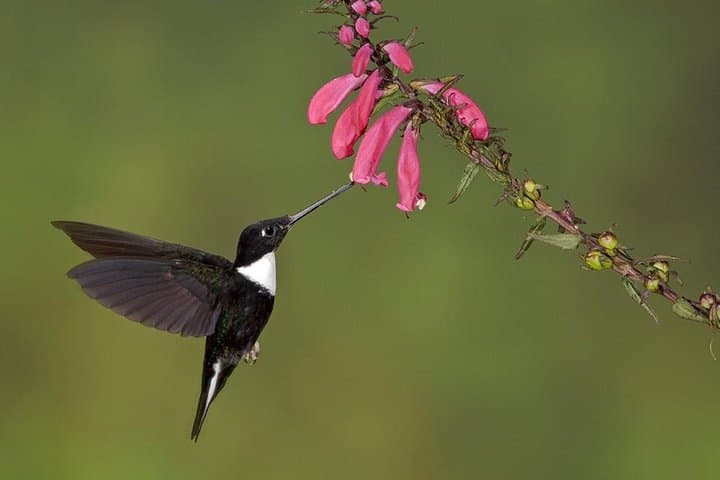
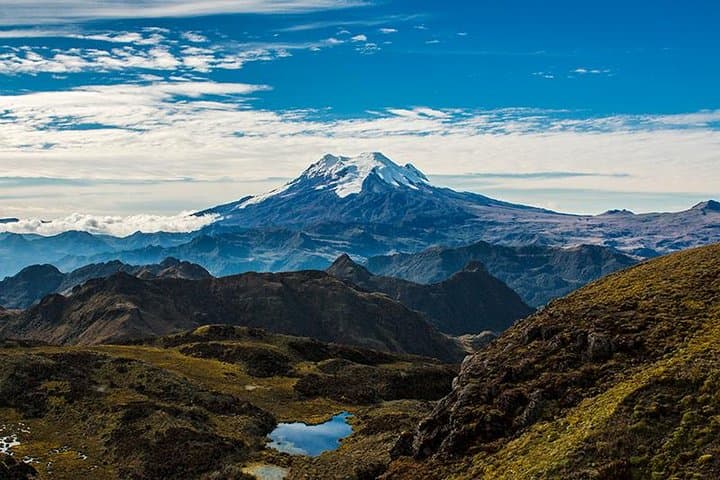
You turn east out of Quito and the asphalt thins to a ribbon through high Andean grasslands; the air sharpens and the skyline rearranges itself into volcanic teeth. At Papallacta Pass the páramo opens—low tussock grasses, peat soils and wind that seems to push you forward—while Antisana and neighboring peaks puncture the clouds. On clear mornings condors and hawks wheel above the pass; below, the road threads down into the green, dripping world of Guango Cloud Forest where hummingbirds claim the understory with frantic, glittering motion.
Verified experiences and guided adventures in the surrounding area.
Operated by Neotropical Nature and Birding Trips · Papallacta, Napo
You turn east out of Quito and the asphalt thins to a ribbon through high Andean grasslands; the air sharpens and the skyline rearranges itself into volcanic teeth. At Papallacta Pass the páramo opens—low tussock grasses, peat soils and wind that seems to push you forward—while Antisana and neighboring peaks puncture the clouds. On clear mornings condors and hawks wheel above the pass; below, the road threads down into the green, dripping world of Guango Cloud Forest where hummingbirds claim the understory with frantic, glittering motion.
Geology here is recent and raw: glaciated volcanoes sculpted the basin, and the páramo is a high-elevation ecosystem that stores water for the lowlands. The route lies at the edge of Cayambe-Coca National Park, an area long used by highland communities for grazing and medicinal plants, now managed for conservation and tourism.
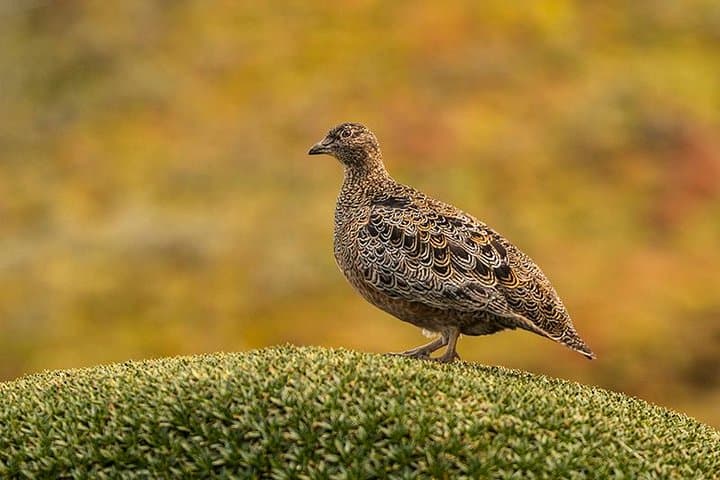
Expect a full day—roughly 8–10 hours including transport—driven on a 65 km (41 mi) route from Quito. At the pass you’ll scan for Andean Condor, Variable Hawk and high-elevation specialists; in Guango short, often muddy trails put you within arm’s reach of many hummingbird species and mixed tanager flocks. Look and listen along the Papallacta River for Torrent Duck.
Practical edge: altitude ranges around 3,300–3,500 m at the pass so hydrate and move slowly—there’s only light hiking but irregular terrain. Bring layered clothing, sun protection and binoculars, and plan the optional late-afternoon soak at the Papallacta hot springs to unwind after a sensory-heavy day.
moderate.
8–10 hours.
Suitable for most fitness levels; short hikes on uneven ground and prolonged time at altitude require steady walking ability and acclimatization.
Round-trip travel time is included in an 8–10 hour day; the pass is about 65 km (41 mi) east of Quito and the total drive takes roughly 1.5–2 hours each way depending on traffic and stops.
The thermal complex is an optional add-on on most itineraries; check your booking and reserve extra time if you plan to use the pools.
Yes—Guango concentrates hummingbird diversity around the lodge while higher elevations at the pass are where you can encounter larger raptors and, occasionally, condors.
Walking is short and not technically difficult, but high altitude can affect children and older adults; consult your provider and allow for a slower pace if needed.
The corridor sits within the Cayambe-Coca protected area and sits on historic highland grazing routes used by indigenous and mestizo communities; the region’s hot springs long served local therapeutic traditions.
The páramo is a key water reservoir and sensitive to overgrazing and climate change—stay on trails, avoid disturbing nesting birds and follow guides’ instructions to minimize impact.
Neotropical Nature and Birding Trips operates guided outdoor trips and adventures with an emphasis on safety, stewardship, and memorable experiences.
You turn east out of Quito and the asphalt thins to a ribbon through high Andean grasslands; the air sharpens and the skyline rearranges itself into volcanic teeth. At Papallacta Pass the páramo opens—low tussock grasses, peat soils and wind that seems to push you forward—while Antisana and neighboring peaks puncture the clouds. On clear mornings condors and hawks wheel above the pass; below, the road threads down into the green, dripping world of Guango Cloud Forest where hummingbirds claim the understory with frantic, glittering motion.
You turn east out of Quito and the asphalt thins to a ribbon through high Andean grasslands; the air sharpens and the skyline rearranges itself into volcanic teeth. At Papallacta Pass the páramo opens—low tussock grasses, peat soils and wind that seems to push you forward—while Antisana and neighboring peaks puncture the clouds. On clear mornings condors and hawks wheel above the pass; below, the road threads down into the green, dripping world of Guango Cloud Forest where hummingbirds claim the understory with frantic, glittering motion.
Geology here is recent and raw: glaciated volcanoes sculpted the basin, and the páramo is a high-elevation ecosystem that stores water for the lowlands. The route lies at the edge of Cayambe-Coca National Park, an area long used by highland communities for grazing and medicinal plants, now managed for conservation and tourism.
Expect a full day—roughly 8–10 hours including transport—driven on a 65 km (41 mi) route from Quito. At the pass you’ll scan for Andean Condor, Variable Hawk and high-elevation specialists; in Guango short, often muddy trails put you within arm’s reach of many hummingbird species and mixed tanager flocks. Look and listen along the Papallacta River for Torrent Duck.
Practical edge: altitude ranges around 3,300–3,500 m at the pass so hydrate and move slowly—there’s only light hiking but irregular terrain. Bring layered clothing, sun protection and binoculars, and plan the optional late-afternoon soak at the Papallacta hot springs to unwind after a sensory-heavy day.