THE ADVENTURE COLLECTIVE® · Independent discovery and booking for outdoor travel

Steam-wreathed pools and sharp Andean air define a restorative day in Papallacta—just two hours from Quito. Enjoy thermal baths, a short hike with lunch, and optional spa treatments against the backdrop of Antisana.
Steam-wreathed pools and sharp Andean air define a restorative day in Papallacta—just two hours from Quito. Enjoy thermal baths, a short hike with lunch, and optional spa treatments against the backdrop of Antisana.
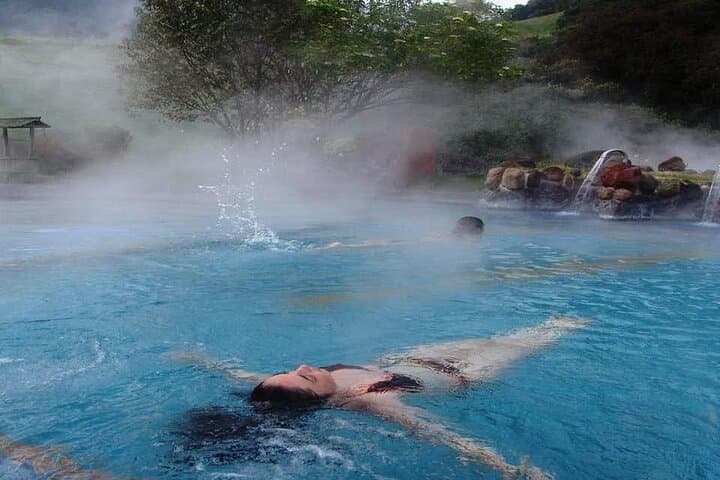
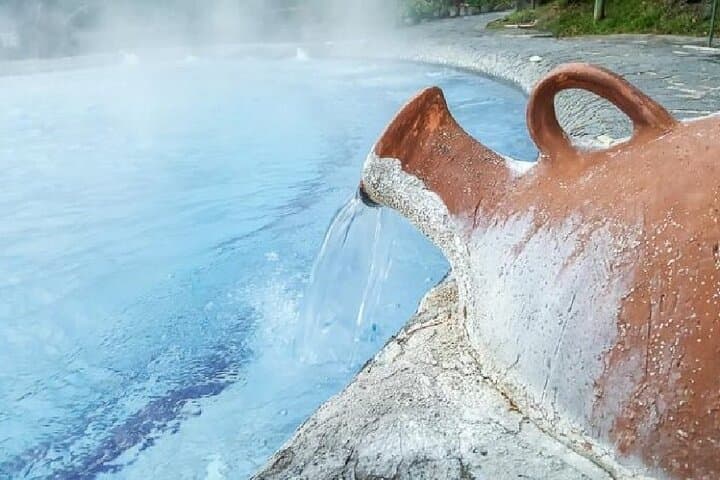
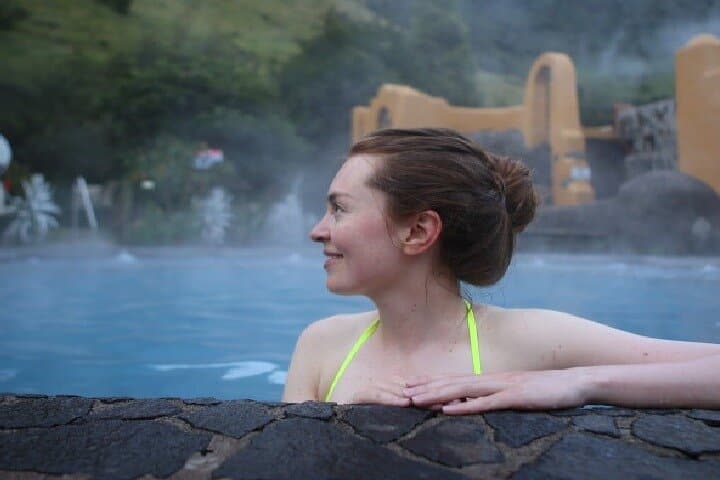
Steam rises from stone pools like a slow exhale as you arrive on the high Andean plain east of Quito, Antisana’s dark cone carving the skyline. The Papallacta hot springs are a study in contrasts: mineral-steeped water that eases muscles, cold paramo air that sharpens your breath, and a short, scrubby trail that pries open views of volcanic ridges.
Verified experiences and guided adventures in the surrounding area.
Operated by CarpeDM Adventures · Papallacta, Napo
Steam rises from stone pools like a slow exhale as you arrive on the high Andean plain east of Quito, Antisana’s dark cone carving the skyline. The Papallacta hot springs are a study in contrasts: mineral-steeped water that eases muscles, cold paramo air that sharpens your breath, and a short, scrubby trail that pries open views of volcanic ridges.
The springs sit along old travel corridors used since pre-Columbian times and later crossed by Spanish explorers such as Francisco de Orellana. Geologically, the waters are warmed by geothermal activity tied to the nearby volcanic axis, and the surrounding páramo is a high-elevation grassland shaped by glaciation and frequent frost.
Local culture mixes Andean agricultural life with small tourism services; bilingual guides often point out grazing llamas, peat bogs, and traditional shepherding practices. Conservation here is active—papallacta’s fragile páramo stores water for lowland communities, and visitors are asked to follow strict waste and water-use rules.
Practical guidance: most day trips run about six hours from Quito with 2–3 hours at the pools and an optional 45-minute hike. Bring swimwear, a warm change of clothes, and sunscreen; temperatures swing fast. Expect paved road access but dress for wind and a chilly return into the highlands. On arrival you can choose free soaking, a paid spa treatment, or a guided walk to viewpoints; pool entry is often paid locally. Because the site sits above 3,200 m, move slowly on the trail and hydrate before and after soaking to reduce altitude effects.
easy.
6 hours.
Suitable for most fitness levels; expect short, mostly gentle walking and time standing in pools; allow for mild altitude effects.
Not always—itinerary notes often list admissions as not included; expect to pay at the site or confirm inclusion when you book.
Yes; the activity is gentle, but children and anyone with cardiovascular or pregnancy concerns should check recommendations and medical restrictions.
About two hours each way, depending on traffic and weather, giving roughly 2–3 hours at the pools within a six-hour tour.
Papallacta sits above 3,200 m; mild symptoms are possible—stay hydrated, eat lightly before soaking, and ascend slowly if you’re coming from a low altitude.
The area sits along old Andean routes; Spanish explorers like Francisco de Orellana passed nearby during 16th-century expeditions.
The páramo is a fragile water-catchment ecosystem—limit water use, avoid soaps, and stick to marked trails to protect peat soils and native plants.
CarpeDM Adventures operates guided outdoor trips and adventures with an emphasis on safety, stewardship, and memorable experiences.
Steam rises from stone pools like a slow exhale as you arrive on the high Andean plain east of Quito, Antisana’s dark cone carving the skyline. The Papallacta hot springs are a study in contrasts: mineral-steeped water that eases muscles, cold paramo air that sharpens your breath, and a short, scrubby trail that pries open views of volcanic ridges.
Steam rises from stone pools like a slow exhale as you arrive on the high Andean plain east of Quito, Antisana’s dark cone carving the skyline. The Papallacta hot springs are a study in contrasts: mineral-steeped water that eases muscles, cold paramo air that sharpens your breath, and a short, scrubby trail that pries open views of volcanic ridges.
The springs sit along old travel corridors used since pre-Columbian times and later crossed by Spanish explorers such as Francisco de Orellana. Geologically, the waters are warmed by geothermal activity tied to the nearby volcanic axis, and the surrounding páramo is a high-elevation grassland shaped by glaciation and frequent frost.
Local culture mixes Andean agricultural life with small tourism services; bilingual guides often point out grazing llamas, peat bogs, and traditional shepherding practices. Conservation here is active—papallacta’s fragile páramo stores water for lowland communities, and visitors are asked to follow strict waste and water-use rules.
Practical guidance: most day trips run about six hours from Quito with 2–3 hours at the pools and an optional 45-minute hike. Bring swimwear, a warm change of clothes, and sunscreen; temperatures swing fast. Expect paved road access but dress for wind and a chilly return into the highlands. On arrival you can choose free soaking, a paid spa treatment, or a guided walk to viewpoints; pool entry is often paid locally. Because the site sits above 3,200 m, move slowly on the trail and hydrate before and after soaking to reduce altitude effects.