THE ADVENTURE COLLECTIVE® · Independent discovery and booking for outdoor travel

Steam lifts off volcanic terraces as you trade Quito’s crisp air for mineral-rich pools at Papallacta. This day trip combines short cloud-forest hikes, birdwatching, and soak time in thermal baths—ideal for travelers seeking a low-effort highland escape.
Steam lifts off volcanic terraces as you trade Quito’s crisp air for mineral-rich pools at Papallacta. This day trip combines short cloud-forest hikes, birdwatching, and soak time in thermal baths—ideal for travelers seeking a low-effort highland escape.
A morning drive east from Quito pulls you up through puna grasslands until the road carves into a cold, wind-scoured páramo. Steam rises from terraces of mineral pools ahead—Papallacta’s thermal complex sits like a warm puzzle against volcanic rock, the smell of sulfur a blunt reminder of the geology beneath your feet.
Verified experiences and guided adventures in the surrounding area.
Operated by Adventure Journeys · Papallacta, Napo
A morning drive east from Quito pulls you up through puna grasslands until the road carves into a cold, wind-scoured páramo. Steam rises from terraces of mineral pools ahead—Papallacta’s thermal complex sits like a warm puzzle against volcanic rock, the smell of sulfur a blunt reminder of the geology beneath your feet.
The springs occupy a volcanic corridor where groundwater meets heat from underground activity; local Kichwa communities and early travelers long favored these waters for healing. Around the resort, cloud-forest edges cling to humid gullies, orchids and epiphytic mosses hanging from stunted trees while colorful tanagers and hummingbirds flicker between branches.
Short guided trails wind through this transitional zone, where you’ll learn about páramo plant adaptations and how volcanic minerals color the pools. Cultural context matters: the hot springs are part of a wider landscape used for grazing, forestry, and now tourism, so infrastructure—bath houses, spa services, and fenced viewpoints—coexists with fragile habitat.
Practical side: expect an 8-hour day with about 90–120 minutes roundtrip driving from Quito depending on traffic. Trails are short and mostly gentle but the altitude (over 3,200 m / 10,500 ft) can make easy walks feel taxing. Bring layered clothing for sharp temperature shifts, a swimsuit for the thermal pools, and water—altitude increases dehydration. Plan for weather change—fog and drizzle are common—and budget time to relax in different-temperature pools or book a massage at the spa.
This is a straightforward day escape: geology, birdlife, and warm water make for an accessible highland adventure that balances education with low-effort enjoyment.
easy.
8 hours.
Suitable for most fitness levels but acclimatization to high altitude is important; expect light walking.
Driving time is typically 1.5–2 hours each way depending on traffic and road conditions; the tour day is about 8 hours total.
The Termas de Papallacta complex has public and private pools; tours usually provide access to the main facilities and optional paid spa services.
Yes—trails are short and the activity is low-impact, but altitude can affect children and seniors more, so proceed with caution and rest as needed.
Yes—massages and body treatments are offered at the resort but typically cost extra and may require advance booking during busy periods.
Locals have used Papallacta’s hot waters for generations; the springs are tied to volcanic activity that shaped the eastern Andean slopes.
The páramo and cloud-forest are ecologically sensitive—stay on trails, avoid soap in the springs, and support local guides to reduce visitor impact.
Adventure Journeys operates guided outdoor trips and adventures with an emphasis on safety, stewardship, and memorable experiences.
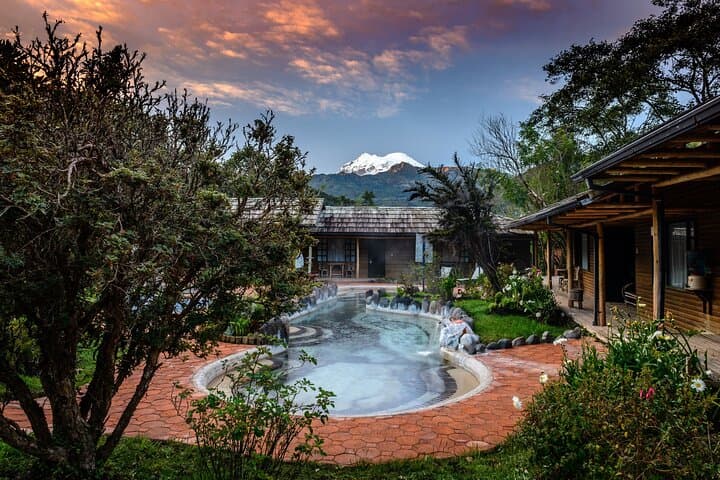
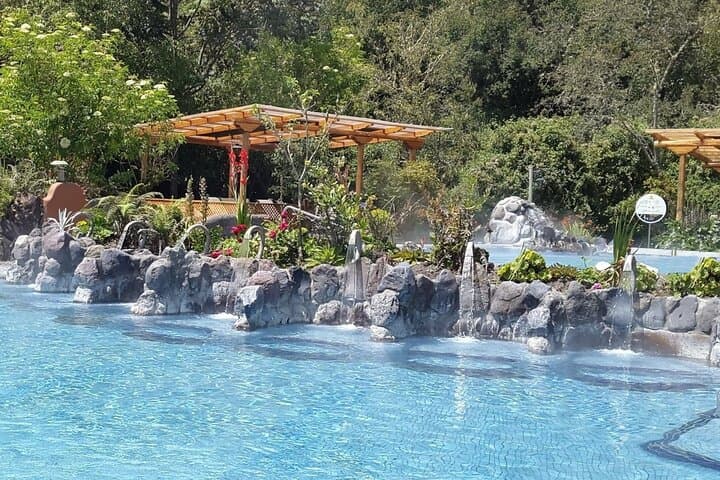
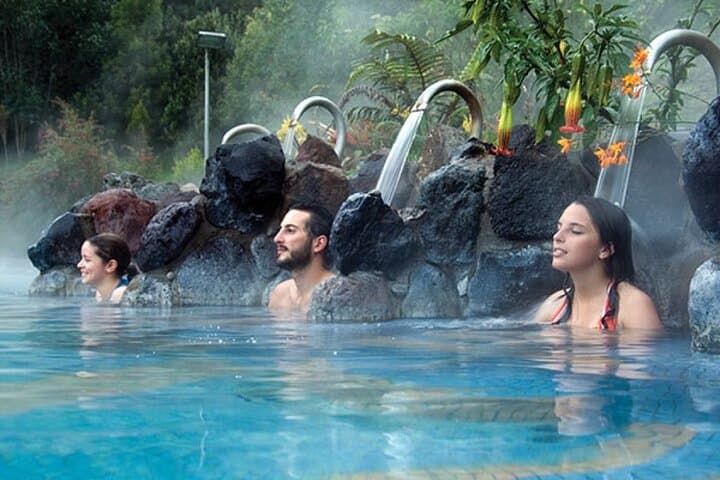
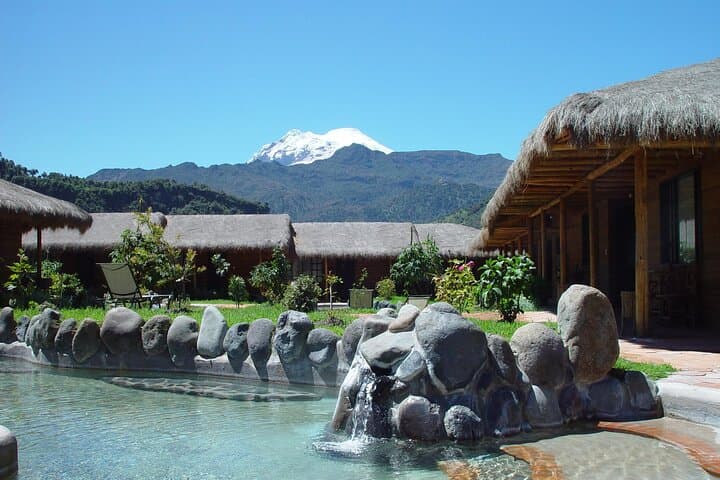
A morning drive east from Quito pulls you up through puna grasslands until the road carves into a cold, wind-scoured páramo. Steam rises from terraces of mineral pools ahead—Papallacta’s thermal complex sits like a warm puzzle against volcanic rock, the smell of sulfur a blunt reminder of the geology beneath your feet.
A morning drive east from Quito pulls you up through puna grasslands until the road carves into a cold, wind-scoured páramo. Steam rises from terraces of mineral pools ahead—Papallacta’s thermal complex sits like a warm puzzle against volcanic rock, the smell of sulfur a blunt reminder of the geology beneath your feet.
The springs occupy a volcanic corridor where groundwater meets heat from underground activity; local Kichwa communities and early travelers long favored these waters for healing. Around the resort, cloud-forest edges cling to humid gullies, orchids and epiphytic mosses hanging from stunted trees while colorful tanagers and hummingbirds flicker between branches.
Short guided trails wind through this transitional zone, where you’ll learn about páramo plant adaptations and how volcanic minerals color the pools. Cultural context matters: the hot springs are part of a wider landscape used for grazing, forestry, and now tourism, so infrastructure—bath houses, spa services, and fenced viewpoints—coexists with fragile habitat.
Practical side: expect an 8-hour day with about 90–120 minutes roundtrip driving from Quito depending on traffic. Trails are short and mostly gentle but the altitude (over 3,200 m / 10,500 ft) can make easy walks feel taxing. Bring layered clothing for sharp temperature shifts, a swimsuit for the thermal pools, and water—altitude increases dehydration. Plan for weather change—fog and drizzle are common—and budget time to relax in different-temperature pools or book a massage at the spa.
This is a straightforward day escape: geology, birdlife, and warm water make for an accessible highland adventure that balances education with low-effort enjoyment.