THE ADVENTURE COLLECTIVE® · Independent discovery and booking for outdoor travel

Escape Quito for a day in Papallacta’s mineral-rich thermal pools—set on an ancient volcanic rim between protected Andean reserves. This practical guide covers what to expect, local geology and culture, and tips to make the most of the high-altitude soak.
Escape Quito for a day in Papallacta’s mineral-rich thermal pools—set on an ancient volcanic rim between protected Andean reserves. This practical guide covers what to expect, local geology and culture, and tips to make the most of the high-altitude soak.
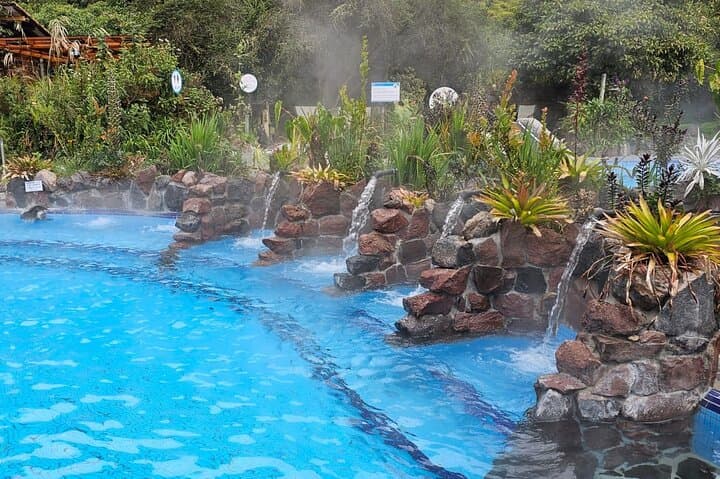
Stepping out of the van, the high Andes open like a workbook of weather: wind turning the grass, clouds drafting up from the valley, and steam rising where water meets cold air. The road from Quito climbs through páramo — stunted grasses and moss-draped rocks — until the caldera around Papallacta narrows into a cluster of thermal pools.
Verified experiences and guided adventures in the surrounding area.
Operated by Galapagos My World · Papallacta, Napo
Stepping out of the van, the high Andes open like a workbook of weather: wind turning the grass, clouds drafting up from the valley, and steam rising where water meets cold air. The road from Quito climbs through páramo — stunted grasses and moss-draped rocks — until the caldera around Papallacta narrows into a cluster of thermal pools.
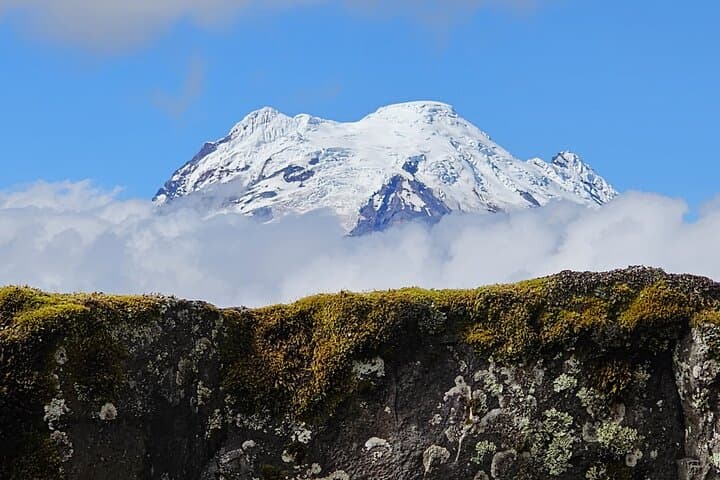
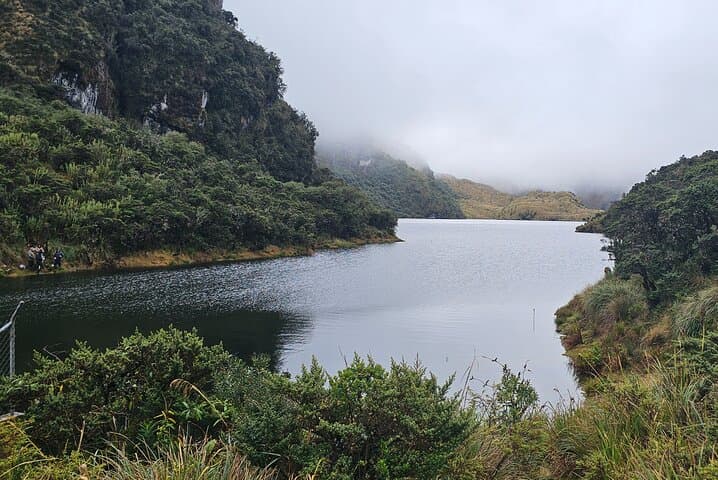
The springs sit on the rim of an ancient volcanic system that feeds mineral-rich waters heated deep below the surface. Indigenous communities and later colonial visitors long prized these baths for therapeutic properties; today the pools share the landscape with conservation areas that protect páramo plants and the headwaters that run toward the Amazon. You’ll be in sight of the Cayambe-Coca and Antisana reserves, with glaciated peaks often dusting the skyline and lagoons reflecting the sky like small, high-altitude mirrors.
Expect a tranquil, accessible visit rather than a rugged trek: pools range from private tubs to larger public basins, and the experience centers on soaking, short walks along boardwalks, and watching the wind shape the grasslands. The thin air at roughly 3,300 m (about 10,800 ft) makes movement feel heavier; take it slow and hydrate.
Practical notes: arrive with layered clothing for rapidly shifting temperatures, a bathing suit and towel, and water-resistant footwear for muddy paths. Avoid long, hot-soak sessions if you have cardiovascular issues or pregnancy. Time your trip for morning or late afternoon for the best light and quieter pools — the water will do the work, the Andes will do the rest.
easy.
6 hours (round trip from Quito).
Suitable for most fitness levels, but expect effects from high altitude—basic mobility is sufficient
Typical transfer time is 1–1.5 hours each way, depending on traffic and road conditions.
Generally yes if they avoid long hot soaks; anyone with cardiovascular issues or pregnancy should consult a physician first.
Private transfers and entrance can be booked ahead, especially during high season; walk-up visits are possible but may have limited availability.
Most developed balneario areas provide changing rooms and snack options, but services vary—check the specific facility before you go.
Papallacta’s springs have been used for centuries by indigenous groups and later became a 20th-century wellness destination as road access improved.
The area feeds important headwaters for Amazon-bound rivers; stick to boardwalks, pack out waste, and respect signage to protect fragile páramo vegetation.
Galapagos My World operates guided outdoor trips and adventures with an emphasis on safety, stewardship, and memorable experiences.
Stepping out of the van, the high Andes open like a workbook of weather: wind turning the grass, clouds drafting up from the valley, and steam rising where water meets cold air. The road from Quito climbs through páramo — stunted grasses and moss-draped rocks — until the caldera around Papallacta narrows into a cluster of thermal pools.
Stepping out of the van, the high Andes open like a workbook of weather: wind turning the grass, clouds drafting up from the valley, and steam rising where water meets cold air. The road from Quito climbs through páramo — stunted grasses and moss-draped rocks — until the caldera around Papallacta narrows into a cluster of thermal pools.
The springs sit on the rim of an ancient volcanic system that feeds mineral-rich waters heated deep below the surface. Indigenous communities and later colonial visitors long prized these baths for therapeutic properties; today the pools share the landscape with conservation areas that protect páramo plants and the headwaters that run toward the Amazon. You’ll be in sight of the Cayambe-Coca and Antisana reserves, with glaciated peaks often dusting the skyline and lagoons reflecting the sky like small, high-altitude mirrors.
Expect a tranquil, accessible visit rather than a rugged trek: pools range from private tubs to larger public basins, and the experience centers on soaking, short walks along boardwalks, and watching the wind shape the grasslands. The thin air at roughly 3,300 m (about 10,800 ft) makes movement feel heavier; take it slow and hydrate.
Practical notes: arrive with layered clothing for rapidly shifting temperatures, a bathing suit and towel, and water-resistant footwear for muddy paths. Avoid long, hot-soak sessions if you have cardiovascular issues or pregnancy. Time your trip for morning or late afternoon for the best light and quieter pools — the water will do the work, the Andes will do the rest.