THE ADVENTURE COLLECTIVE® · Independent discovery and booking for outdoor travel

Explore Pantalica’s UNESCO rock-cut tombs and the Anapo valley on a guided half-day walk. Expect uneven limestone trails, dramatic viewpoints and visits to the anaktoron and medieval rock oratory.
Explore Pantalica’s UNESCO rock-cut tombs and the Anapo valley on a guided half-day walk. Expect uneven limestone trails, dramatic viewpoints and visits to the anaktoron and medieval rock oratory.
Morning light slants across the limestone plateau above the Anapo River as a guide leads a small group onto a ribbon of trail cut into the rock. The air tastes of dust and wild herbs; cliffs drop to the river and the tombs sit like low, geometric windows in the canyon walls. Walking here feels deliberate—every step reveals carved chambers, medieval oratories and distant terraces where the valley opens to scrub and olives.
Verified experiences and guided adventures in the surrounding area.
Operated by Hermes Sicily Tourist guides group · Sortino, Sicily
Morning light slants across the limestone plateau above the Anapo River as a guide leads a small group onto a ribbon of trail cut into the rock. The air tastes of dust and wild herbs; cliffs drop to the river and the tombs sit like low, geometric windows in the canyon walls. Walking here feels deliberate—every step reveals carved chambers, medieval oratories and distant terraces where the valley opens to scrub and olives.
Pantalica is a UNESCO World Heritage site known for thousands of rock-cut tombs dating from the Late Bronze Age through the Iron Age and a medieval rock-village clinging to the plateau. Geologically, the reserve is driven by limestone cliffs and karst erosion; the Anapo river has sculpted deep gorges and small waterfalls that animate the landscape. Culturally the area sits between ancient Sicilian cultures and Byzantine-era devotion — the oratory of San Micidiario and the “anaktoron” or prince’s palace are tangible markers of layered use.
Practical guidance: plan for 2–4 hours on uneven, often steep trails. The guide-led half-day keeps routes flexible—typical highlights include the plateau, the anaktoron, and an optional descent toward the Calcinara creek for a dramatic north necropolis view. Wear grippy hiking shoes, bring 1–2 liters of water and sun protection, and allow extra time for photography and short exploratory sidetracks. Facilities are limited; mobile service is spotty and trails can be slick after rain. A private transfer from Syracuse shortens logistics and leaves more time on the rocks. Respect fragile tomb facades and stay on designated paths to protect both archaeology and fragile soils.
moderate.
2–4 hours.
Moderate fitness required: steady footing, ability to handle steep, uneven terrain and short stair-like scrambles.
Trails are uneven and can be steep; the tour is rated moderate and requires comfortable hiking mobility and sure-footedness.
There is no centralized gated fee for the wider Pantalica reserve, but some access points or services may charge for parking or guided entry—confirm with your operator.
Yes—operators commonly offer private transfer options from Syracuse; public transport exists but is limited and can lengthen the outing.
Not recommended for very young children or those who need a stroller due to steep, uneven trails and exposed drop-offs.
Pantalica holds thousands of chamber tombs carved into limestone cliffs from roughly the 13th to 7th centuries BCE and was later reused in medieval times; it became a UNESCO site for its combined archaeological and natural value.
The site is sensitive to erosion and visitor impact; stay on trails, avoid touching tomb facades and follow local guidance to protect archaeological layers and native vegetation.
Hermes Sicily Tourist guides group operates guided outdoor trips and adventures with an emphasis on safety, stewardship, and memorable experiences.
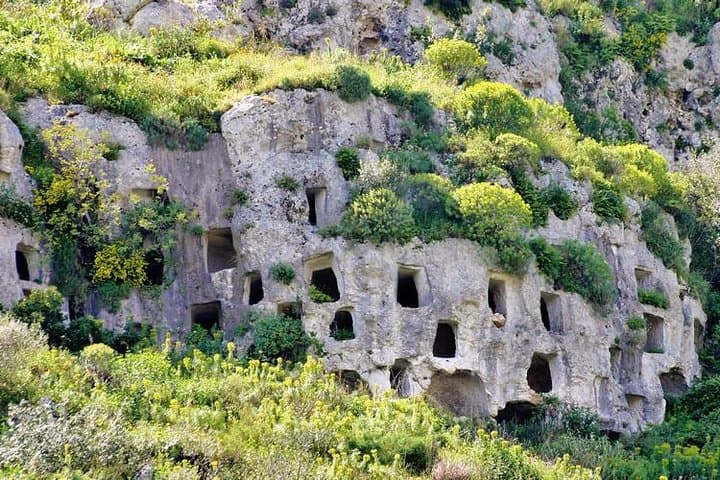


Morning light slants across the limestone plateau above the Anapo River as a guide leads a small group onto a ribbon of trail cut into the rock. The air tastes of dust and wild herbs; cliffs drop to the river and the tombs sit like low, geometric windows in the canyon walls. Walking here feels deliberate—every step reveals carved chambers, medieval oratories and distant terraces where the valley opens to scrub and olives.
Morning light slants across the limestone plateau above the Anapo River as a guide leads a small group onto a ribbon of trail cut into the rock. The air tastes of dust and wild herbs; cliffs drop to the river and the tombs sit like low, geometric windows in the canyon walls. Walking here feels deliberate—every step reveals carved chambers, medieval oratories and distant terraces where the valley opens to scrub and olives.
Pantalica is a UNESCO World Heritage site known for thousands of rock-cut tombs dating from the Late Bronze Age through the Iron Age and a medieval rock-village clinging to the plateau. Geologically, the reserve is driven by limestone cliffs and karst erosion; the Anapo river has sculpted deep gorges and small waterfalls that animate the landscape. Culturally the area sits between ancient Sicilian cultures and Byzantine-era devotion — the oratory of San Micidiario and the “anaktoron” or prince’s palace are tangible markers of layered use.
Practical guidance: plan for 2–4 hours on uneven, often steep trails. The guide-led half-day keeps routes flexible—typical highlights include the plateau, the anaktoron, and an optional descent toward the Calcinara creek for a dramatic north necropolis view. Wear grippy hiking shoes, bring 1–2 liters of water and sun protection, and allow extra time for photography and short exploratory sidetracks. Facilities are limited; mobile service is spotty and trails can be slick after rain. A private transfer from Syracuse shortens logistics and leaves more time on the rocks. Respect fragile tomb facades and stay on designated paths to protect both archaeology and fragile soils.