THE ADVENTURE COLLECTIVE® · Independent discovery and booking for outdoor travel

A brisk 2.5-hour circuit that stitches together Tallinn’s imperial parks, modern museums, wooden districts and repurposed harbors. Ideal for visitors who want a focused, image-rich introduction to the city’s history, culture and coastline.
A brisk 2.5-hour circuit that stitches together Tallinn’s imperial parks, modern museums, wooden districts and repurposed harbors. Ideal for visitors who want a focused, image-rich introduction to the city’s history, culture and coastline.
You slide into an air-conditioned van and the city of Tallinn opens like a series of deliberate scenes: manicured parkland giving way to Soviet-era promenades, then to painted wooden houses that keep a slow, stubborn rhythm along the shoreline. The driver threads through tree-lined Kadriorg where Peter the Great’s palace watches over formal gardens, then points toward KUMU’s modern lines — an art museum that put Estonia on Europe’s cultural map in 2008.
Verified experiences and guided adventures in the surrounding area.
Operated by Estonia4u · Tallinn, Harju County
You slide into an air-conditioned van and the city of Tallinn opens like a series of deliberate scenes: manicured parkland giving way to Soviet-era promenades, then to painted wooden houses that keep a slow, stubborn rhythm along the shoreline. The driver threads through tree-lined Kadriorg where Peter the Great’s palace watches over formal gardens, then points toward KUMU’s modern lines — an art museum that put Estonia on Europe’s cultural map in 2008.
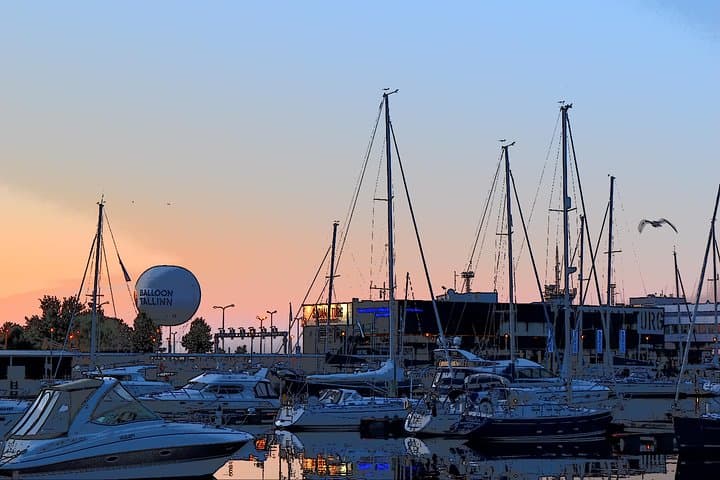
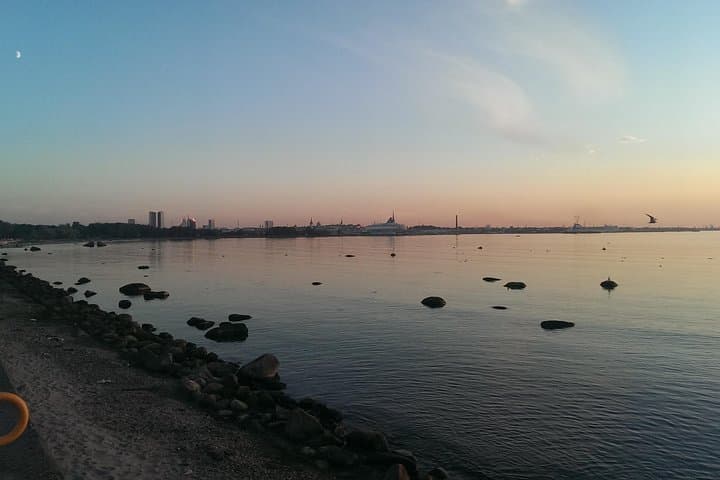
Tallinn’s coastline and bedrock tell a glacial story: low limestone cliffs and post-ice landscapes that shaped the harbor and the location of the old submarine yards now reborn as Noblessner and the Seaplane Harbor museum. Culturally, the Song Festival Grounds stand as a visible echo of national identity; street art in Telliskivi speaks to Tallinn’s youthful, creative economy while Kalamaja’s wooden blocks retain the city’s working-class and bohemian past.
Practical guidance: the tour runs about 2.5 hours with short stops (plan for 10–30 minutes at highlights), small-group format (up to 10), and requires moderate mobility for short walks and stairs in museum areas. Museum admissions may not be included—check opening hours and book KUMU or Lennusadam tickets in advance if you want to enter. Dress in layers; coastal wind can be sharp even on sunny days. Bring a camera and a charged phone; many photo opportunities are roadside. Note the operator recommends moderate fitness and advises against joining if you have serious spinal or heart conditions. Cancellation for a full refund is possible up to 24 hours before departure.
easy.
2–3 hours.
You should be comfortable walking short distances and climbing a few stairs; overall low exertion required.
Some stops are pass-by only; specific museum admissions (KUMU, Seaplane Harbor) are typically not included — check the tour details and prebook if you want to enter.
Pickup logistics are arranged at booking—confirm your pickup location and time with the operator since this tour operates from central Tallinn points.
The vehicle may be accessible, but several stops involve uneven surfaces and stairs; contact the operator to discuss accessibility needs before booking.
Guides commonly speak English; confirm language availability when booking if you require a different language.
Tallinn’s Old Town grew from medieval Hanseatic trade, while Kadriorg was landscaped under Peter the Great; the Song Festival Grounds later became a focal point for Estonian national identity.
Adaptive reuse of former industrial harbors (Noblessner, Seaplane Harbor) is a local focus; visitors are asked to respect fragile wooden houses and shorelines to limit erosion and wear.
Estonia4u operates guided outdoor trips and adventures with an emphasis on safety, stewardship, and memorable experiences.
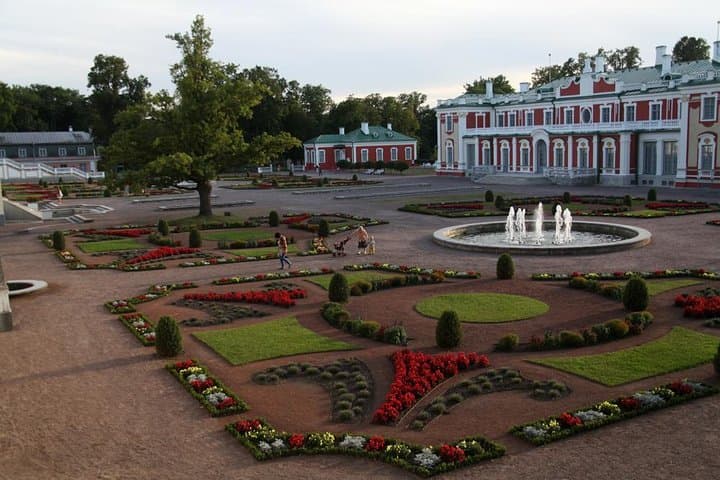
You slide into an air-conditioned van and the city of Tallinn opens like a series of deliberate scenes: manicured parkland giving way to Soviet-era promenades, then to painted wooden houses that keep a slow, stubborn rhythm along the shoreline. The driver threads through tree-lined Kadriorg where Peter the Great’s palace watches over formal gardens, then points toward KUMU’s modern lines — an art museum that put Estonia on Europe’s cultural map in 2008.
You slide into an air-conditioned van and the city of Tallinn opens like a series of deliberate scenes: manicured parkland giving way to Soviet-era promenades, then to painted wooden houses that keep a slow, stubborn rhythm along the shoreline. The driver threads through tree-lined Kadriorg where Peter the Great’s palace watches over formal gardens, then points toward KUMU’s modern lines — an art museum that put Estonia on Europe’s cultural map in 2008.
Tallinn’s coastline and bedrock tell a glacial story: low limestone cliffs and post-ice landscapes that shaped the harbor and the location of the old submarine yards now reborn as Noblessner and the Seaplane Harbor museum. Culturally, the Song Festival Grounds stand as a visible echo of national identity; street art in Telliskivi speaks to Tallinn’s youthful, creative economy while Kalamaja’s wooden blocks retain the city’s working-class and bohemian past.
Practical guidance: the tour runs about 2.5 hours with short stops (plan for 10–30 minutes at highlights), small-group format (up to 10), and requires moderate mobility for short walks and stairs in museum areas. Museum admissions may not be included—check opening hours and book KUMU or Lennusadam tickets in advance if you want to enter. Dress in layers; coastal wind can be sharp even on sunny days. Bring a camera and a charged phone; many photo opportunities are roadside. Note the operator recommends moderate fitness and advises against joining if you have serious spinal or heart conditions. Cancellation for a full refund is possible up to 24 hours before departure.