THE ADVENTURE COLLECTIVE® · Independent discovery and booking for outdoor travel

A 6 km, half-day guided trek above El Calafate that climbs to high viewpoints with sweeping views of Lago Argentino and the Andes. Learn geology, spot local flora and fauna, and enjoy a snack with panoramic vistas.
A 6 km, half-day guided trek above El Calafate that climbs to high viewpoints with sweeping views of Lago Argentino and the Andes. Learn geology, spot local flora and fauna, and enjoy a snack with panoramic vistas.
You step out of the minivan and the wind of southern Patagonia meets you first—sharp, cool, and honest. The trail climbs through scrubby lenga and rocky ledges, and within minutes the floor of the valley drops away to reveal Lago Argentino broad and pale below. The Andes rise like a folded spine across the horizon; here, stone keeps the record of ancient ice and moving earth.
Verified experiences and guided adventures in the surrounding area.
Operated by Patagonia Mountaintrekk · El Calafate, Santa Cruz
You step out of the minivan and the wind of southern Patagonia meets you first—sharp, cool, and honest. The trail climbs through scrubby lenga and rocky ledges, and within minutes the floor of the valley drops away to reveal Lago Argentino broad and pale below. The Andes rise like a folded spine across the horizon; here, stone keeps the record of ancient ice and moving earth.
This half-day, 6 km trek (about 400 m of positive gain to viewpoints near 1,000 m above sea level) threads geological storylines: moraines left by retreating glaciers, wind-polished bedrock, and volcanic intrusions visible in exposed outcrops. Guides explain glacier dynamics, local flora—stunted lenga, coirón grasses—and signs of guanaco or condor activity. The town of El Calafate grew after the late-19th-century ranching era and now serves as the gateway to Los Glaciares National Park; the landscape still bears traces of human adaptation to a cold, relentless climate.
Expect steady climbs, rocky steps, and open ridgelines with wide views. The trail rewards you with a highland snack stop and time to look down the lake’s pale turquoise arms. The guide provides poles, transport, and context—so focus on pacing, breathing, and camera framing.
Practical: wear sturdy boots with good traction, layer for wind and sun, and carry 1–1.5 L water. Start mid-morning for stable weather and clearer light on the lake. If you’re sensitive to altitude or have cardiovascular concerns, consult a guide beforehand—this route requires moderate fitness but no technical climbing. The elements here push you to look up and keep going; the mountain answers with views that make the effort plain.
moderate.
4–5 hours.
Moderate cardiovascular fitness and regular hiking experience; able to sustain steady uphill walking for 400 m elevation gain.
The route covers about 6 km with 400 m of ascent; it’s rated moderate—suitable for hikers who can handle sustained uphill walking and uneven ground.
Yes, private transportation to and from central accommodations is included in the tour price.
A light personal snack and 1–1.5 L of water are recommended; the tour supplies a shared snack at the high viewpoint.
The trek reaches near 1,000 m; not recommended for pregnant travelers or those with serious heart conditions—consult the operator if in doubt.
El Calafate grew in the late 19th and early 20th centuries as a ranching and supply hub; tourism expanded with access to Los Glaciares National Park and Perito Moreno Glacier.
This region is managed to limit footprint—stick to trails to protect fragile alpine vegetation and follow guide instructions to avoid disturbing wildlife.
Patagonia Mountaintrekk operates guided outdoor trips and adventures with an emphasis on safety, stewardship, and memorable experiences.
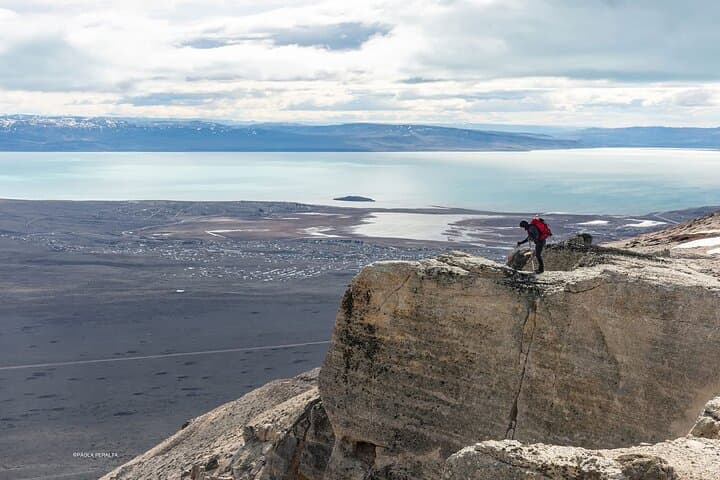
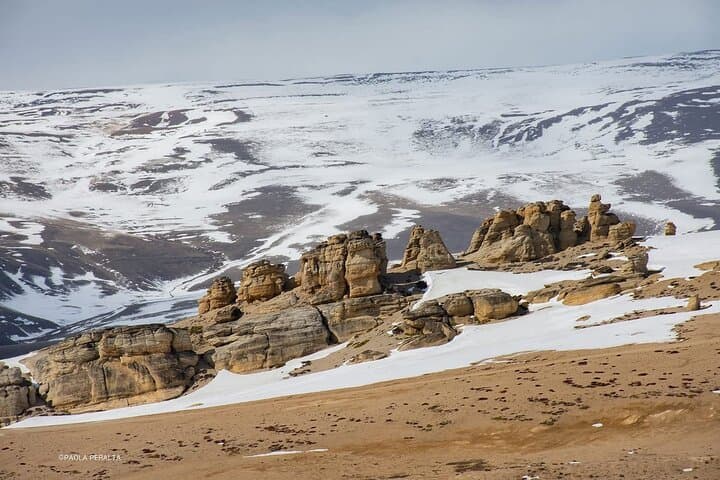
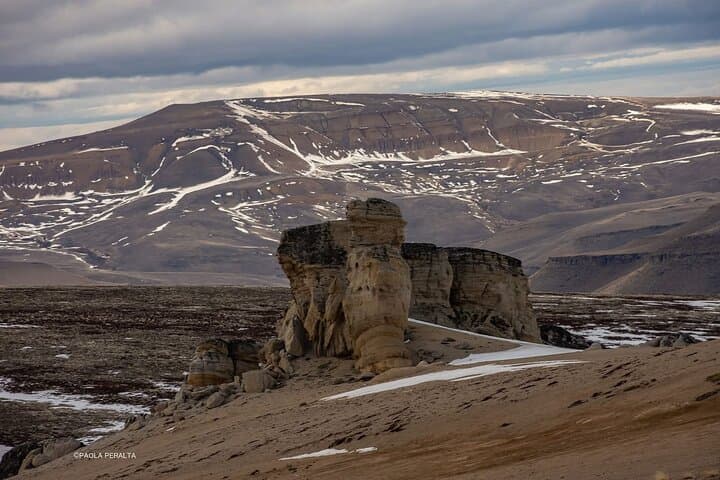
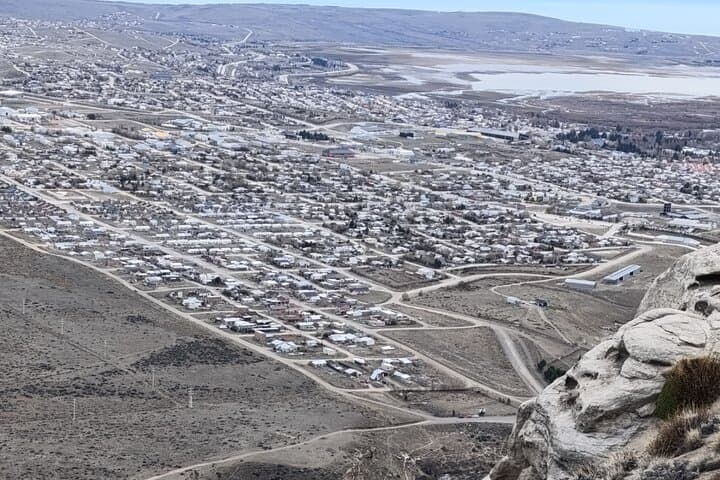
You step out of the minivan and the wind of southern Patagonia meets you first—sharp, cool, and honest. The trail climbs through scrubby lenga and rocky ledges, and within minutes the floor of the valley drops away to reveal Lago Argentino broad and pale below. The Andes rise like a folded spine across the horizon; here, stone keeps the record of ancient ice and moving earth.
You step out of the minivan and the wind of southern Patagonia meets you first—sharp, cool, and honest. The trail climbs through scrubby lenga and rocky ledges, and within minutes the floor of the valley drops away to reveal Lago Argentino broad and pale below. The Andes rise like a folded spine across the horizon; here, stone keeps the record of ancient ice and moving earth.
This half-day, 6 km trek (about 400 m of positive gain to viewpoints near 1,000 m above sea level) threads geological storylines: moraines left by retreating glaciers, wind-polished bedrock, and volcanic intrusions visible in exposed outcrops. Guides explain glacier dynamics, local flora—stunted lenga, coirón grasses—and signs of guanaco or condor activity. The town of El Calafate grew after the late-19th-century ranching era and now serves as the gateway to Los Glaciares National Park; the landscape still bears traces of human adaptation to a cold, relentless climate.
Expect steady climbs, rocky steps, and open ridgelines with wide views. The trail rewards you with a highland snack stop and time to look down the lake’s pale turquoise arms. The guide provides poles, transport, and context—so focus on pacing, breathing, and camera framing.
Practical: wear sturdy boots with good traction, layer for wind and sun, and carry 1–1.5 L water. Start mid-morning for stable weather and clearer light on the lake. If you’re sensitive to altitude or have cardiovascular concerns, consult a guide beforehand—this route requires moderate fitness but no technical climbing. The elements here push you to look up and keep going; the mountain answers with views that make the effort plain.