THE ADVENTURE COLLECTIVE® · Independent discovery and booking for outdoor travel

Make the most of a port stop with a three-hour private tuk-tuk tour that zips through Colombo’s colonial buildings, bustling Pettah Bazaar, and serene Beira Lake temples. Practical tips for timing, dress and what to expect on this half-day shore excursion.
Make the most of a port stop with a three-hour private tuk-tuk tour that zips through Colombo’s colonial buildings, bustling Pettah Bazaar, and serene Beira Lake temples. Practical tips for timing, dress and what to expect on this half-day shore excursion.
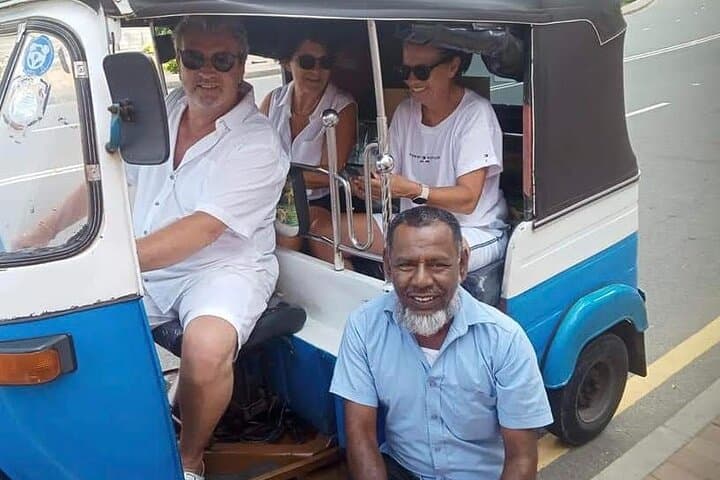
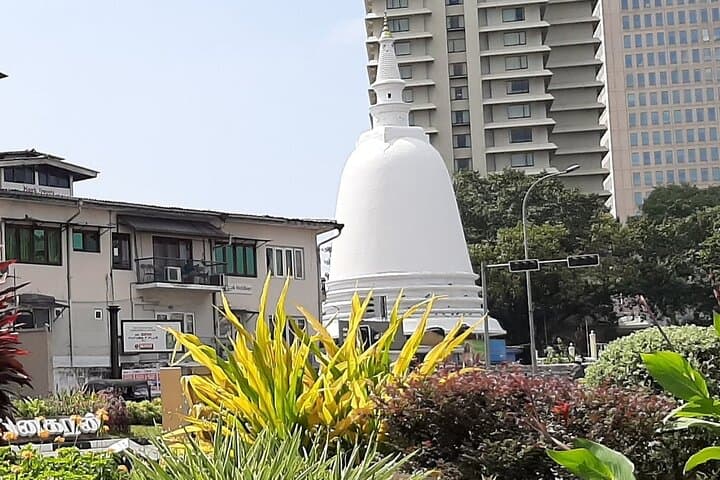
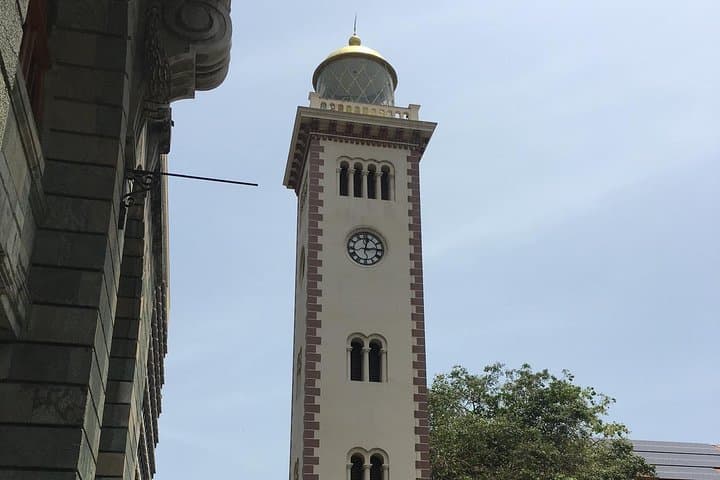
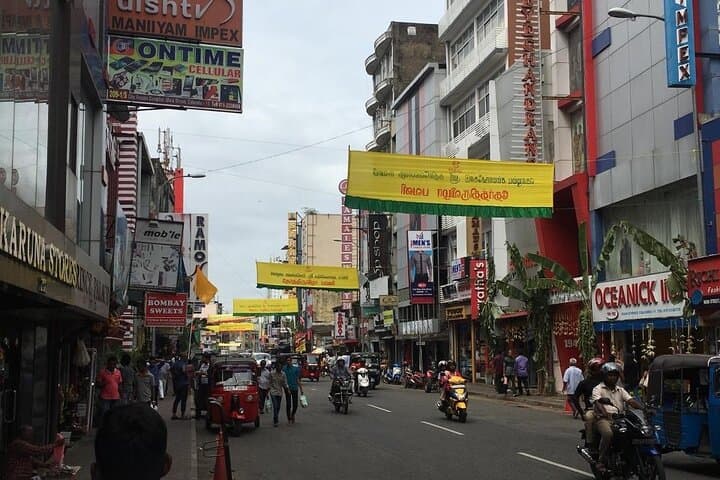
You step off the ship into a humid, salt-sweet air and a motorized rickshaw waits—small, bright, eager to move. The tuk-tuk threads past shipping cranes and the slate-blue Indian Ocean, then dives into streets where shopfronts, colonnades and temple gopurams elbow for space. In three hours you skim the city: colonial clock tower and British-built facades, the red-brick Jami Ul-Alfar Mosque, the crowded lanes of Pettah Bazaar, and the calm wooden platforms of Seema Malaka perched on Beira Lake.
Verified experiences and guided adventures in the surrounding area.
Operated by Colombo City Boy · Colombo, Western Province
You step off the ship into a humid, salt-sweet air and a motorized rickshaw waits—small, bright, eager to move. The tuk-tuk threads past shipping cranes and the slate-blue Indian Ocean, then dives into streets where shopfronts, colonnades and temple gopurams elbow for space. In three hours you skim the city: colonial clock tower and British-built facades, the red-brick Jami Ul-Alfar Mosque, the crowded lanes of Pettah Bazaar, and the calm wooden platforms of Seema Malaka perched on Beira Lake.
Colombo is a coastal alluvial plain shaped by centuries of trade and colonial rule. Dutch and British planning sit beside Buddhist, Hindu and Muslim landmarks—Gangaramaya Temple dates to the late 19th century, while Independence Hall commemorates 1948’s transfer of power. The city’s geology is simple coast and reclaimed lowland; its culture is not—food stalls, tea merchants and tile-roofed temples create a lively urban patchwork.
Practical points: this shore excursion is private and three hours long, running best in the morning to avoid peak traffic and the hottest hours. Dress smart-casual for temple visits (shoulders and knees covered), carry a refillable water bottle, and wear closed shoes for walking through markets. Expect quick stops of 10–30 minutes at key sites; bring small bills for tips and purchases. Tuk-tuks are nimble but bumpy—secure loose items and hold on when the driver weaves. For a compact, sensory introduction to Colombo, this tuk-tuk loop delivers fast-moving city life, layered history and approachable local color in one tidy half-day.
easy.
3 hours.
Suitable for most fitness levels; requires short walks and stepping in/out of tuk-tuks
Drivers typically wait at the ship’s passenger disembarkation point; confirm the exact deck/meeting instructions and your cruise details when booking.
The itinerary includes stops at Gangaramaya and Seema Malaka; Gangaramaya may have a small entry fee while Seema Malaka is often free but donations are welcomed.
Tuk-tuks and many market streets are not wheelchair-friendly; if mobility assistance is needed, request special arrangements prior to booking.
Tipping is customary for good service; small local-currency tips for drivers and guides are appreciated but discretionary.
Colombo’s current layout reflects Dutch and British colonial eras; many Victorian government buildings stand near the old Fort, and the city was central to trade routes across the Indian Ocean.
Beira Lake and urban green spaces are subject to cleanup and restoration efforts—avoid littering and support local vendors to benefit community sustainability.
Colombo City Boy operates guided outdoor trips and adventures with an emphasis on safety, stewardship, and memorable experiences.
You step off the ship into a humid, salt-sweet air and a motorized rickshaw waits—small, bright, eager to move. The tuk-tuk threads past shipping cranes and the slate-blue Indian Ocean, then dives into streets where shopfronts, colonnades and temple gopurams elbow for space. In three hours you skim the city: colonial clock tower and British-built facades, the red-brick Jami Ul-Alfar Mosque, the crowded lanes of Pettah Bazaar, and the calm wooden platforms of Seema Malaka perched on Beira Lake.
You step off the ship into a humid, salt-sweet air and a motorized rickshaw waits—small, bright, eager to move. The tuk-tuk threads past shipping cranes and the slate-blue Indian Ocean, then dives into streets where shopfronts, colonnades and temple gopurams elbow for space. In three hours you skim the city: colonial clock tower and British-built facades, the red-brick Jami Ul-Alfar Mosque, the crowded lanes of Pettah Bazaar, and the calm wooden platforms of Seema Malaka perched on Beira Lake.
Colombo is a coastal alluvial plain shaped by centuries of trade and colonial rule. Dutch and British planning sit beside Buddhist, Hindu and Muslim landmarks—Gangaramaya Temple dates to the late 19th century, while Independence Hall commemorates 1948’s transfer of power. The city’s geology is simple coast and reclaimed lowland; its culture is not—food stalls, tea merchants and tile-roofed temples create a lively urban patchwork.
Practical points: this shore excursion is private and three hours long, running best in the morning to avoid peak traffic and the hottest hours. Dress smart-casual for temple visits (shoulders and knees covered), carry a refillable water bottle, and wear closed shoes for walking through markets. Expect quick stops of 10–30 minutes at key sites; bring small bills for tips and purchases. Tuk-tuks are nimble but bumpy—secure loose items and hold on when the driver weaves. For a compact, sensory introduction to Colombo, this tuk-tuk loop delivers fast-moving city life, layered history and approachable local color in one tidy half-day.