THE ADVENTURE COLLECTIVE® · Independent discovery and booking for outdoor travel

A compact, four-hour loop from Bridgetown to the exposed Atlantic at Bathsheba, this small-group tour packs geology, history, and dramatic coastal views into an easy half-day. Expect short walks, photo stops, and a knowledgeable local guide.
A compact, four-hour loop from Bridgetown to the exposed Atlantic at Bathsheba, this small-group tour packs geology, history, and dramatic coastal views into an easy half-day. Expect short walks, photo stops, and a knowledgeable local guide.
The bus eases away from the roundabout outside Bridgetown Port and the island opens in a single ribbon of blue and green: palms tapping the wind, coastal scrub that leans toward the sea, and the Atlantic already throwing white caps against rock. The driver-threaded route moves from the colonial streets of Bridgetown out to the exposed east coast, each stop a shift in geology and story.
Verified experiences and guided adventures in the surrounding area.
Operated by Ruthann Discovery Tours · Bridgetown, Saint Michael
The bus eases away from the roundabout outside Bridgetown Port and the island opens in a single ribbon of blue and green: palms tapping the wind, coastal scrub that leans toward the sea, and the Atlantic already throwing white caps against rock. The driver-threaded route moves from the colonial streets of Bridgetown out to the exposed east coast, each stop a shift in geology and story.
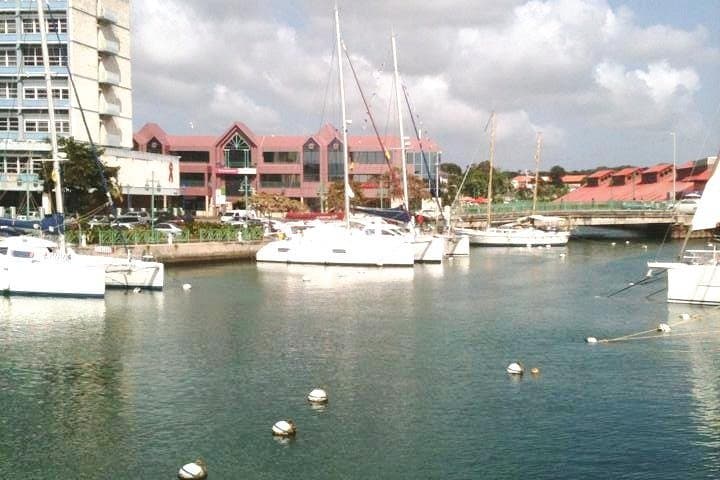
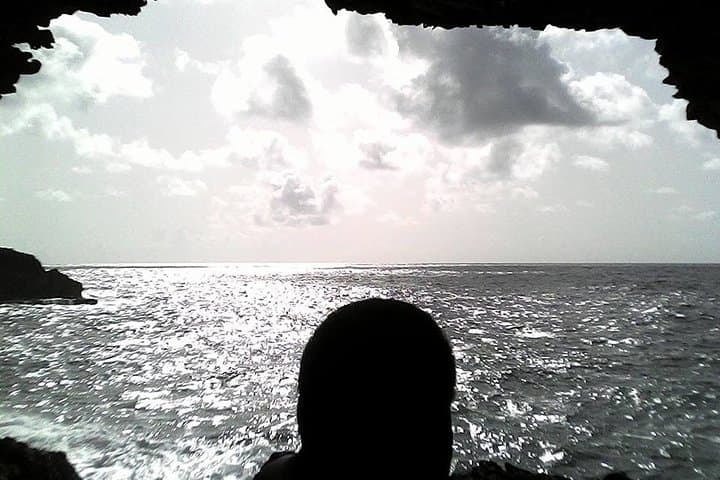
Bridgetown, declared a UNESCO World Heritage site for its 17th‑century layout and colonial architecture, is where Barbados’ maritime and sugar-trade histories meet. Heading northeast, the tour pauses at the Animal Flower Cave — an ancient coral-bluff cave with a coral floor formed over hundreds of thousands of years and a roar of surf that keeps the cavern alive. Cherry Tree Hill follows, 850 feet above the east coast, where the plateau folds into what locals call the Scotland District — a geologically older, craggy landscape prone to erosion and surprising microclimates.
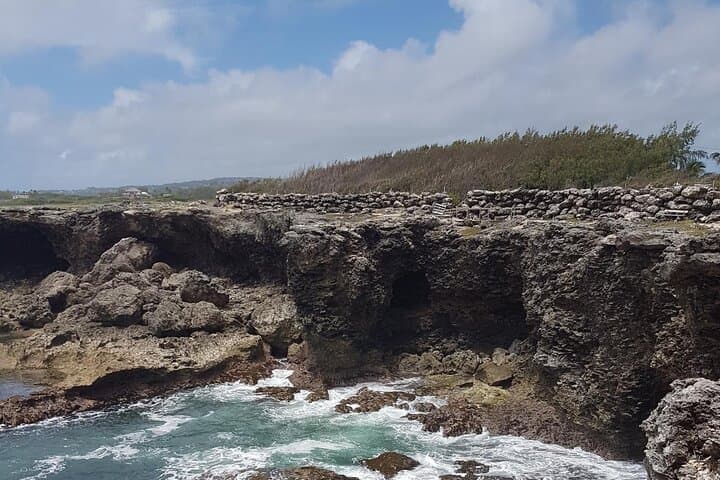
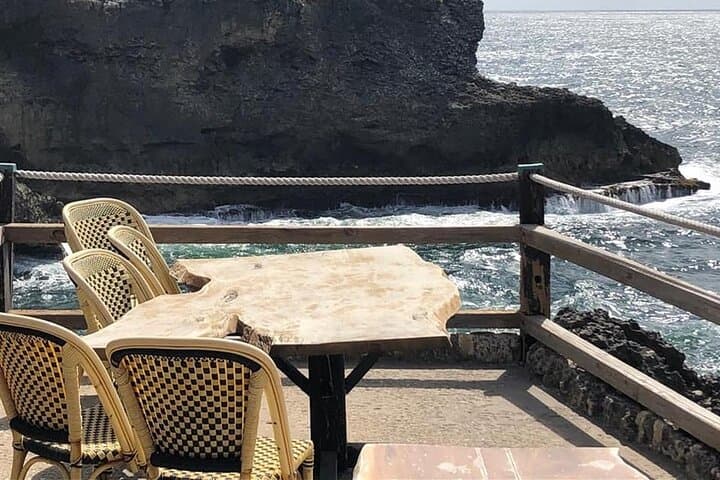
Bathsheba seals the route with pounding Atlantic waves and jagged reef rock; here the sea takes center stage and dares visitors to stay present. The tour threads cultural notes — plantation-era history, fishing-village life, and stories from Bajan guides — into a compact four-hour loop.
Practical edge: expect repeated short stops for photos and walking on uneven rock at coastal viewpoints. Dress for sun and wind, carry water and a light layer, and be ready for traffic and narrow roadside pullouts. The trip is ideal for travelers wanting high-impact views and local context in a short window of time.
easy.
4 hours.
A moderate level of mobility is useful—short walks and stairs at viewpoints; not suitable for those with serious spinal, heart, or pregnancy restrictions.
The guide meets guests at the small roundabout outside Bridgetown Port (signposted 'Welcome to Bridgetown Port') and returns there at the end of the four-hour tour.
The tour stops at lookout points; admission policies can vary — bring cash for any voluntary cave entrance fees if you plan to descend into the cave.
Children and strollers are accommodated, but the tour is not recommended for travelers with serious spinal, heart, or pregnancy restrictions; expect uneven surfaces at stops.
Morning departures often have calmer winds and softer light for photos; late afternoon offers dramatic light but can be windier on the east coast.
Bridgetown served as a major British colonial port from the 17th century; the island’s sugar economy shaped many coastal settlements and plantation estates.
Coastal erosion and coral reef degradation are active concerns; visitors should avoid stepping on coral, respect signage, and support local conservation-minded operators.
Ruthann Discovery Tours operates guided outdoor trips and adventures with an emphasis on safety, stewardship, and memorable experiences.
The bus eases away from the roundabout outside Bridgetown Port and the island opens in a single ribbon of blue and green: palms tapping the wind, coastal scrub that leans toward the sea, and the Atlantic already throwing white caps against rock. The driver-threaded route moves from the colonial streets of Bridgetown out to the exposed east coast, each stop a shift in geology and story.
The bus eases away from the roundabout outside Bridgetown Port and the island opens in a single ribbon of blue and green: palms tapping the wind, coastal scrub that leans toward the sea, and the Atlantic already throwing white caps against rock. The driver-threaded route moves from the colonial streets of Bridgetown out to the exposed east coast, each stop a shift in geology and story.
Bridgetown, declared a UNESCO World Heritage site for its 17th‑century layout and colonial architecture, is where Barbados’ maritime and sugar-trade histories meet. Heading northeast, the tour pauses at the Animal Flower Cave — an ancient coral-bluff cave with a coral floor formed over hundreds of thousands of years and a roar of surf that keeps the cavern alive. Cherry Tree Hill follows, 850 feet above the east coast, where the plateau folds into what locals call the Scotland District — a geologically older, craggy landscape prone to erosion and surprising microclimates.
Bathsheba seals the route with pounding Atlantic waves and jagged reef rock; here the sea takes center stage and dares visitors to stay present. The tour threads cultural notes — plantation-era history, fishing-village life, and stories from Bajan guides — into a compact four-hour loop.
Practical edge: expect repeated short stops for photos and walking on uneven rock at coastal viewpoints. Dress for sun and wind, carry water and a light layer, and be ready for traffic and narrow roadside pullouts. The trip is ideal for travelers wanting high-impact views and local context in a short window of time.