THE ADVENTURE COLLECTIVE® · Independent discovery and booking for outdoor travel

Drive a private, guided loop through the Panorama Route: Blyde River Canyon spans, Three Rondavels, Bourke’s Luck Potholes and God's Window with a picnic breakfast and local insights. This full-day tour pairs short hikes with cultural stops and optional adrenaline activities.
Drive a private, guided loop through the Panorama Route: Blyde River Canyon spans, Three Rondavels, Bourke’s Luck Potholes and God's Window with a picnic breakfast and local insights. This full-day tour pairs short hikes with cultural stops and optional adrenaline activities.
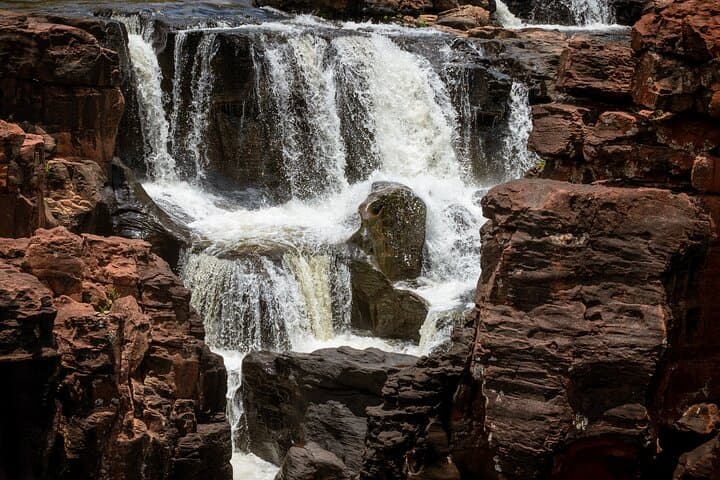
A sliver of sun burns through the mist along the rim of Blyde River Canyon, turning the lowveld into a patchwork of gold and green. You step into a grey safari vehicle branded with an orange Dyambu Ngala logo and the guide hands you a steaming mug — a simple ritual that marks the day. For the next ten hours the road unfurls like a geological map: plunging river gorges, red-rock waterfalls, and ridgelines crowned with fynbos and rare afromontane forest.
Verified experiences and guided adventures in the surrounding area.
Operated by Dyambu Ngala · Graskop, Mpumalanga
A sliver of sun burns through the mist along the rim of Blyde River Canyon, turning the lowveld into a patchwork of gold and green. You step into a grey safari vehicle branded with an orange Dyambu Ngala logo and the guide hands you a steaming mug — a simple ritual that marks the day. For the next ten hours the road unfurls like a geological map: plunging river gorges, red-rock waterfalls, and ridgelines crowned with fynbos and rare afromontane forest.
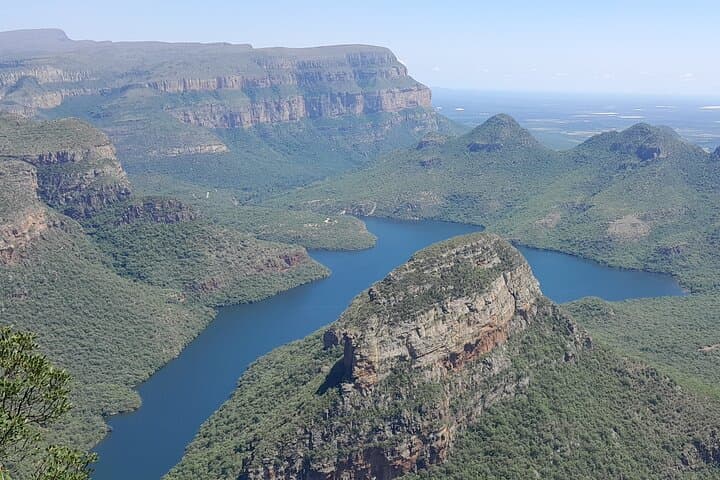
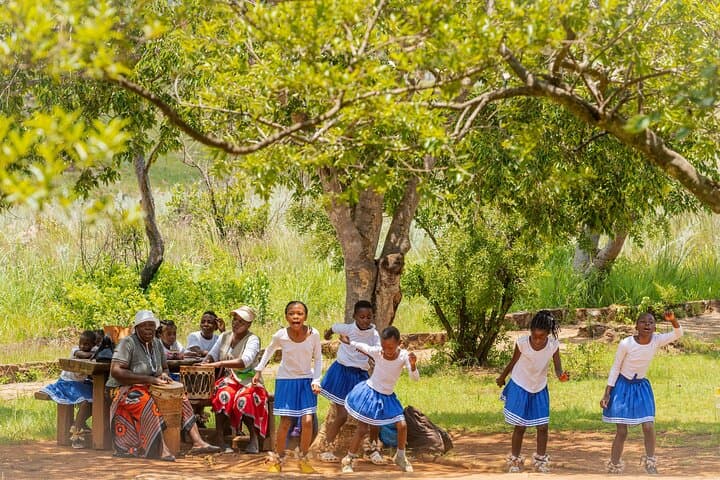
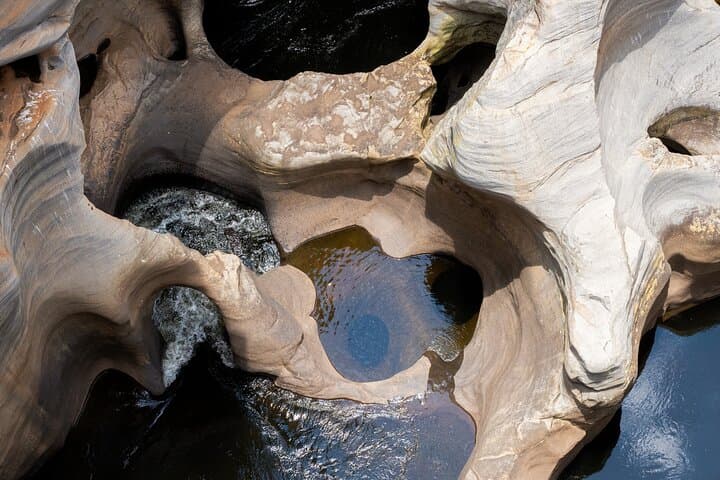
The Panorama Route reads like a field guide to southern Africa’s forces. The Three Rondavels — three rounded, cliff-backed domes — were sculpted by water and time and stand like old roof tiles above the canyon; Bourke’s Luck Potholes are millennia-old whirlpools bored into basalt and quartzite where silty torrents still whisper their work. God’s Window rewards a short, lively pull uphill with a view across the Lowveld that historically guided ivory hunters and later, prospectors during the late-19th-century gold rush. Scattered along the route are centuries of human habit: smallholdings, trading posts, and the craft tables where Zulu and Swazi artisans still hand-carve wooden spoons and beadwork for sale.
Your private guide threads history and natural science into each stop — explaining how the canyon shelters endemic plant communities, why the streams are jade green, and which birds to watch for. You’ll pause for a picnic-style breakfast of muffins, fruit and coffee, then take short walks on boardwalks and viewpoints where forest shade cools the air and vervet monkeys monitor your food packs with casual interest.
Practicalities are clear: the tour is private, runs about 9–10 hours with roughly five hours at sights and four hours on the road, and uses an air-conditioned vehicle. Entrance fees to major attractions are included in the itinerary; optional activities like zip-lining, bungee or the glass lift into the gorge are pay-as-you-go. The tour suits most fitness levels — viewpoints require short, uneven climbs — but it’s not recommended for travelers with serious spinal, cardiovascular issues, or pregnancy.
Timing matters: early starts avoid the midday heat and bring cleaner light for photos; late afternoons cool quickly. Wear sturdy walking shoes for short hikes, bring layers and sunscreen, and keep a refillable water bottle in hand — the lowveld sun can surprise you. If you want a quieter visit, ask for a custom itinerary that shifts busier stops outside peak hours. The tour is not just a checklist of sites; it’s a guided conversation with landscape, geology and local culture — one that leaves you with the kind of panoramic memory that feels as wide as the canyon itself.
easy.
9–10 hours.
Suitable for most fitness levels; expect short uphill walks to viewpoints and uneven boardwalks.
The private tour runs about 9–10 hours total with roughly five hours spent at sights and four hours driving between stops.
Yes — admission to the main Panorama Route attractions listed in the itinerary is included; optional activities like zip-lining or bungee are extra.
Pickup is available from specified hotels and meeting points (Hoedspruit and nearby lodges); confirm your pickup location at booking.
Yes — the tour is family-friendly with short walks; supervise children near cliffs and note it’s not recommended for travelers with serious spine or heart conditions.
Wear layered clothing, sturdy walking shoes, sun protection and bring a light rain jacket in summer.
Yes — the private format allows for adjustments; ask your guide to alter the order of stops or add extra time at a favorite viewpoint.
The Panorama Route reflects both deep geology—rivers carving canyons over millions of years—and human history shaped by 19th-century prospecting and local communities that traded along the lowveld edge.
The canyon and surrounding forests are sensitive habitats; stick to trails, respect signage and support local guides and community-run craft stalls to help preserve the area.
Dyambu Ngala operates guided outdoor trips and adventures with an emphasis on safety, stewardship, and memorable experiences.
A sliver of sun burns through the mist along the rim of Blyde River Canyon, turning the lowveld into a patchwork of gold and green. You step into a grey safari vehicle branded with an orange Dyambu Ngala logo and the guide hands you a steaming mug — a simple ritual that marks the day. For the next ten hours the road unfurls like a geological map: plunging river gorges, red-rock waterfalls, and ridgelines crowned with fynbos and rare afromontane forest.
A sliver of sun burns through the mist along the rim of Blyde River Canyon, turning the lowveld into a patchwork of gold and green. You step into a grey safari vehicle branded with an orange Dyambu Ngala logo and the guide hands you a steaming mug — a simple ritual that marks the day. For the next ten hours the road unfurls like a geological map: plunging river gorges, red-rock waterfalls, and ridgelines crowned with fynbos and rare afromontane forest.
The Panorama Route reads like a field guide to southern Africa’s forces. The Three Rondavels — three rounded, cliff-backed domes — were sculpted by water and time and stand like old roof tiles above the canyon; Bourke’s Luck Potholes are millennia-old whirlpools bored into basalt and quartzite where silty torrents still whisper their work. God’s Window rewards a short, lively pull uphill with a view across the Lowveld that historically guided ivory hunters and later, prospectors during the late-19th-century gold rush. Scattered along the route are centuries of human habit: smallholdings, trading posts, and the craft tables where Zulu and Swazi artisans still hand-carve wooden spoons and beadwork for sale.
Your private guide threads history and natural science into each stop — explaining how the canyon shelters endemic plant communities, why the streams are jade green, and which birds to watch for. You’ll pause for a picnic-style breakfast of muffins, fruit and coffee, then take short walks on boardwalks and viewpoints where forest shade cools the air and vervet monkeys monitor your food packs with casual interest.
Practicalities are clear: the tour is private, runs about 9–10 hours with roughly five hours at sights and four hours on the road, and uses an air-conditioned vehicle. Entrance fees to major attractions are included in the itinerary; optional activities like zip-lining, bungee or the glass lift into the gorge are pay-as-you-go. The tour suits most fitness levels — viewpoints require short, uneven climbs — but it’s not recommended for travelers with serious spinal, cardiovascular issues, or pregnancy.
Timing matters: early starts avoid the midday heat and bring cleaner light for photos; late afternoons cool quickly. Wear sturdy walking shoes for short hikes, bring layers and sunscreen, and keep a refillable water bottle in hand — the lowveld sun can surprise you. If you want a quieter visit, ask for a custom itinerary that shifts busier stops outside peak hours. The tour is not just a checklist of sites; it’s a guided conversation with landscape, geology and local culture — one that leaves you with the kind of panoramic memory that feels as wide as the canyon itself.