THE ADVENTURE COLLECTIVE® · Independent discovery and booking for outdoor travel

A full day that stitches together God’s Window, Blyde River viewpoints and waterfalls into a 5–8 hour panorama hike. Expect steep viewpoints, short scrambles, and optional adrenaline activities at stops.
A full day that stitches together God’s Window, Blyde River viewpoints and waterfalls into a 5–8 hour panorama hike. Expect steep viewpoints, short scrambles, and optional adrenaline activities at stops.
You step out of the minivan just as the valley exhales—a wide, green breath that pushes mist across the edge of the escarpment. The guide points uphill, and the path narrows into a foottrack that clings to ferns and rock. Below, the Blyde River threads the canyon like a ribbon daring you to follow; above, the low cloud drifts through the windows cut into the cliff. This is a day designed to open senses: long viewpoints, sudden waterfalls, and geological sculptures shaped by water and time.
Verified experiences and guided adventures in the surrounding area.
Operated by Kruger Via Canyon Safaris · Hazyview, Mpumalanga
You step out of the minivan just as the valley exhales—a wide, green breath that pushes mist across the edge of the escarpment. The guide points uphill, and the path narrows into a foottrack that clings to ferns and rock. Below, the Blyde River threads the canyon like a ribbon daring you to follow; above, the low cloud drifts through the windows cut into the cliff. This is a day designed to open senses: long viewpoints, sudden waterfalls, and geological sculptures shaped by water and time.
The route threads together Mpumalanga’s most famous panoramas. At God’s Window the viewpoint offers a near-vertical glance into the Lowveld; the highveld’s sandstone cliffs here are the weathered remains of an ancient plateau. Downriver, the Blyde River Canyon—one of the world’s largest green canyons—was carved by persistent flow into rounded cliffs and potholes. Local Tsonga and Swazi communities have lived in this landscape for generations; their homesteads and ways of reading the land still influence how trails and viewpoint access are managed today.
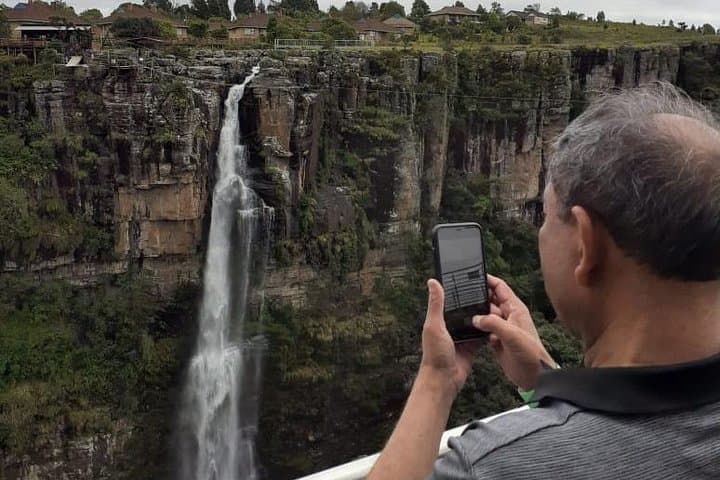
On trail, basalt and sandstone alternate, forcing a varied step: slabs that hold lichen and wet roots, then gravelly switchbacks that make the legs work a little harder. Waterfalls punctuate the walk; some pool in quiet basins while others spill loudly into fern-lined gorges. Those with an eye for geology will notice how the softer layers have been eaten away where water concentrates, leaving pronounced ledges and the bridges that visitors cross.
Practical guidance: the tour runs 5–8 hours and suits travelers with a moderate fitness level. Start early to catch the cooler air and clearer views—late afternoon haze can soften the panoramas. Footwear should be sturdy, with good grip for muddy sections and short rock scrambles. Bring 2–3 liters of water, sunscreen, and a lightweight rain layer: Mpumalanga’s weather can flip from sun to shower in an hour, especially in summer.
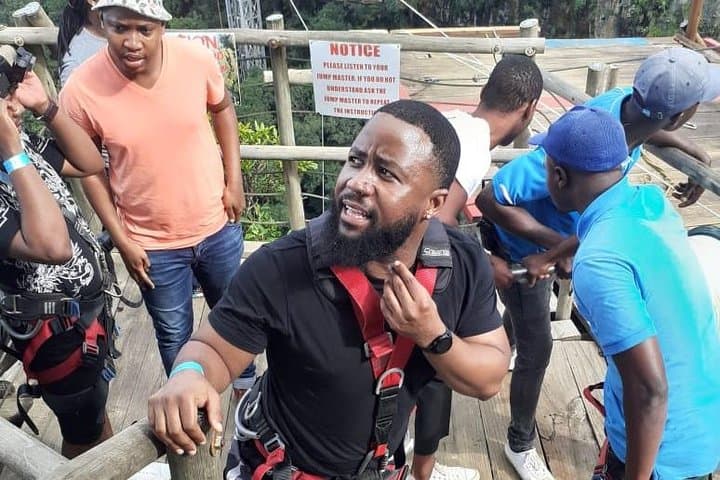
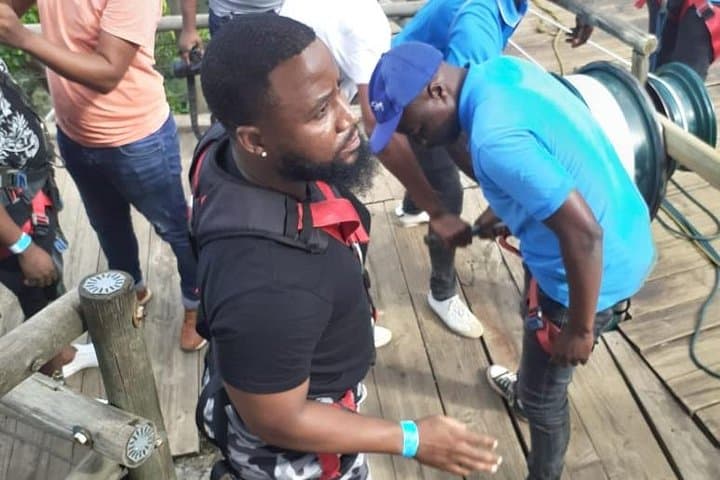
Expect a mix of easy boardwalks and short uphill sections; the guide can adapt timing if you want more time at a viewpoint or waterfall. Activities such as the zipline, bungee jump, or scenic lift are available at stops but are paid on-site. Photography rewards patience: wait for the cloud to move through the gorge and you’ll get depth, not just a flat panorama.
Leave no trace: stick to marked paths to protect fragile montane vegetation and avoid climbing on pothole formations. With a bit of preparation—good shoes, layered clothing and an early start—this full-day panorama loop delivers both quiet, leafy hikes and grand, cinematic views of one of South Africa’s most dramatic escarpments.
moderate.
5–8 hours.
Suitable for hikers with moderate fitness—capable of sustained walking and short uphill sections.
The full-day tour runs approximately 5–8 hours depending on stops and group pace.
Standard site admissions listed in the itinerary are included; optional activities like zipline, bungee and scenic lift require separate payment on-site.
Children and fit seniors can join, but the tour is recommended for those with moderate fitness; infants should sit on an adult’s lap in transport.
Pickup is available from Hazyview locations noted in booking details—confirm your pickup point at least 30 minutes before departure time.
Layered clothing with sturdy footwear and a rain shell is advised—temperatures and weather can change quickly on the escarpment.
Yes—customers can request more time at preferred stops when booking, subject to group size and timing constraints.
The escarpment and Lowveld have long been home to Tsonga and Swazi communities; European mapping and tourism developed in the 19th–20th centuries, turning viewpoints into formal stops.
Trails cross sensitive montane grasslands; stick to marked paths and avoid disturbing river edges to help prevent erosion and protect endemic plants.
Kruger Via Canyon Safaris operates guided outdoor trips and adventures with an emphasis on safety, stewardship, and memorable experiences.
You step out of the minivan just as the valley exhales—a wide, green breath that pushes mist across the edge of the escarpment. The guide points uphill, and the path narrows into a foottrack that clings to ferns and rock. Below, the Blyde River threads the canyon like a ribbon daring you to follow; above, the low cloud drifts through the windows cut into the cliff. This is a day designed to open senses: long viewpoints, sudden waterfalls, and geological sculptures shaped by water and time.
You step out of the minivan just as the valley exhales—a wide, green breath that pushes mist across the edge of the escarpment. The guide points uphill, and the path narrows into a foottrack that clings to ferns and rock. Below, the Blyde River threads the canyon like a ribbon daring you to follow; above, the low cloud drifts through the windows cut into the cliff. This is a day designed to open senses: long viewpoints, sudden waterfalls, and geological sculptures shaped by water and time.
The route threads together Mpumalanga’s most famous panoramas. At God’s Window the viewpoint offers a near-vertical glance into the Lowveld; the highveld’s sandstone cliffs here are the weathered remains of an ancient plateau. Downriver, the Blyde River Canyon—one of the world’s largest green canyons—was carved by persistent flow into rounded cliffs and potholes. Local Tsonga and Swazi communities have lived in this landscape for generations; their homesteads and ways of reading the land still influence how trails and viewpoint access are managed today.
On trail, basalt and sandstone alternate, forcing a varied step: slabs that hold lichen and wet roots, then gravelly switchbacks that make the legs work a little harder. Waterfalls punctuate the walk; some pool in quiet basins while others spill loudly into fern-lined gorges. Those with an eye for geology will notice how the softer layers have been eaten away where water concentrates, leaving pronounced ledges and the bridges that visitors cross.
Practical guidance: the tour runs 5–8 hours and suits travelers with a moderate fitness level. Start early to catch the cooler air and clearer views—late afternoon haze can soften the panoramas. Footwear should be sturdy, with good grip for muddy sections and short rock scrambles. Bring 2–3 liters of water, sunscreen, and a lightweight rain layer: Mpumalanga’s weather can flip from sun to shower in an hour, especially in summer.
Expect a mix of easy boardwalks and short uphill sections; the guide can adapt timing if you want more time at a viewpoint or waterfall. Activities such as the zipline, bungee jump, or scenic lift are available at stops but are paid on-site. Photography rewards patience: wait for the cloud to move through the gorge and you’ll get depth, not just a flat panorama.
Leave no trace: stick to marked paths to protect fragile montane vegetation and avoid climbing on pothole formations. With a bit of preparation—good shoes, layered clothing and an early start—this full-day panorama loop delivers both quiet, leafy hikes and grand, cinematic views of one of South Africa’s most dramatic escarpments.