THE ADVENTURE COLLECTIVE® · Independent discovery and booking for outdoor travel

Spend a full day exploring Pannila’s limestone caverns and a forested waterfall on this challenging guided outing from Mount Lavinia. Expect narrow passages, climbing, and close encounters with stalactites, bats and damp rock passages.
Spend a full day exploring Pannila’s limestone caverns and a forested waterfall on this challenging guided outing from Mount Lavinia. Expect narrow passages, climbing, and close encounters with stalactites, bats and damp rock passages.
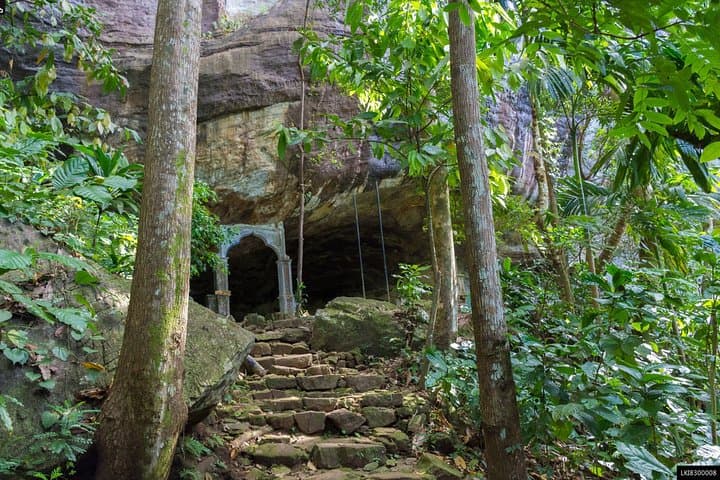
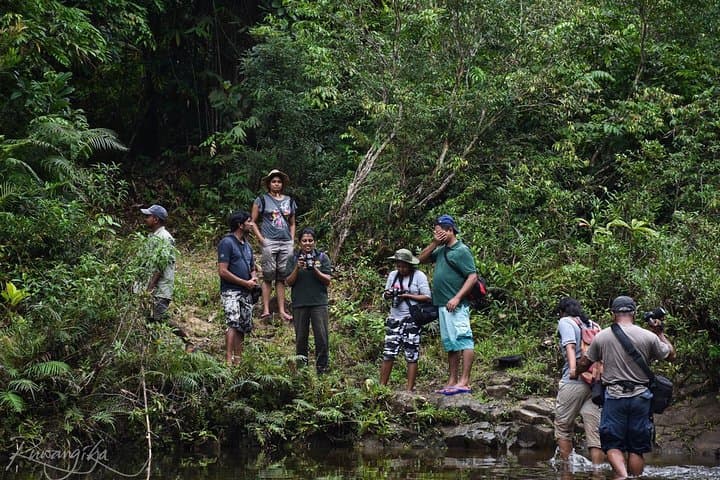
You step out of the air‑conditioned vehicle and into a humid, green corridor where the trail narrows and the forest leans in like a guide. The sound of water ahead quickens; the path drops toward a small waterfall that invites a quick pause before the cave mouth swallows daylight.
Verified experiences and guided adventures in the surrounding area.
Operated by Lakpura LLC · Mount Lavinia, Western Province
You step out of the air‑conditioned vehicle and into a humid, green corridor where the trail narrows and the forest leans in like a guide. The sound of water ahead quickens; the path drops toward a small waterfall that invites a quick pause before the cave mouth swallows daylight.
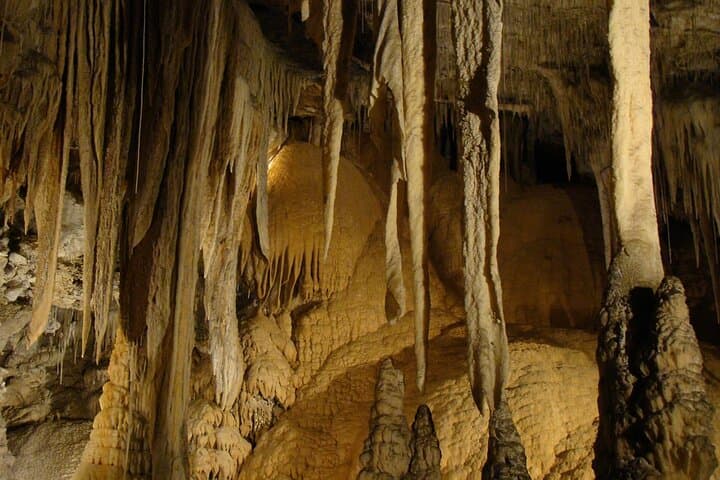
The Pannila caves are carved from ancient limestone and calciferous rock that began forming hundreds of millions of years ago. Over long millennia, dripping water built stalactites and stalagmites you’ll pass within arm’s reach. Local guides point out signs of human use and folklore—these caverns have sheltered wildlife and, at times, attracted villagers curious about their subterranean chambers.
Geologically, expect narrow passages that widen into vaulted chambers; biologically, the caves host bats, frogs, water monitors and troglophilic insects adapted to low light. Culturally the trip leaves from Mount Lavinia, a seaside suburb of Colombo known for its colonial-era hotel and coastal cuisine—the contrast between beach and cave is part of the draw.
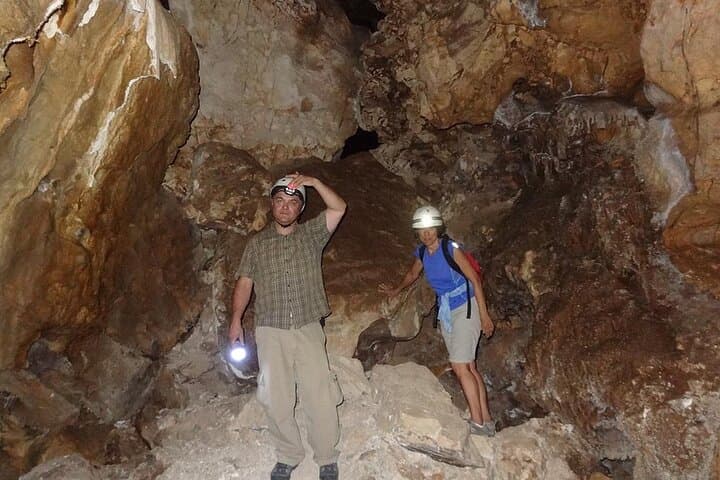
Practically: the tour is a full day (roughly 12–13 hours with transfers), requires moderate to strong fitness, and includes climbs, crawling and slippery rock. Wear sturdy, grippy footwear, bring a headlamp, and pack layers—the cave interior is cooler but damp. Hydrate before you enter and follow your guide’s instructions on route choices; many passages require mindful footwork and occasional hand‑over‑hand scrambling. Respect formations—do not touch fragile speleothems—and leave no trace. With planning, the Pannila cave walk is an immersive, physically engaging day that pairs coastal Sri Lankan culture with deep‑time geology.
challenging.
12–13 hours.
Should be in good physical condition with experience on uneven terrain, comfortable scrambling, and ability to climb short sections; not suitable for small children.
The route includes narrow passages and short climbs; it’s physically demanding and best for those used to uneven terrain and some crawling.
Many guided tours provide basic safety gear; confirm with the operator ahead of time and request a helmet if you prefer one.
This tour is not recommended for children under 12 due to climbs, long duration and confined spaces; check operator policy for age limits.
Yes—limestone caves are damp. Expect wet rock and small pools; wear grippy shoes and watch your footing.
The cave complex sits in ancient limestone formations—locally known features have been shaped over hundreds of millions of years and contain speleothems that record long geological history.
Visitors should avoid touching formations and carry out all waste; guided groups help minimize impact by staying on established routes and limiting disturbance to wildlife.
Lakpura LLC operates guided outdoor trips and adventures with an emphasis on safety, stewardship, and memorable experiences.
You step out of the air‑conditioned vehicle and into a humid, green corridor where the trail narrows and the forest leans in like a guide. The sound of water ahead quickens; the path drops toward a small waterfall that invites a quick pause before the cave mouth swallows daylight.
You step out of the air‑conditioned vehicle and into a humid, green corridor where the trail narrows and the forest leans in like a guide. The sound of water ahead quickens; the path drops toward a small waterfall that invites a quick pause before the cave mouth swallows daylight.
The Pannila caves are carved from ancient limestone and calciferous rock that began forming hundreds of millions of years ago. Over long millennia, dripping water built stalactites and stalagmites you’ll pass within arm’s reach. Local guides point out signs of human use and folklore—these caverns have sheltered wildlife and, at times, attracted villagers curious about their subterranean chambers.
Geologically, expect narrow passages that widen into vaulted chambers; biologically, the caves host bats, frogs, water monitors and troglophilic insects adapted to low light. Culturally the trip leaves from Mount Lavinia, a seaside suburb of Colombo known for its colonial-era hotel and coastal cuisine—the contrast between beach and cave is part of the draw.
Practically: the tour is a full day (roughly 12–13 hours with transfers), requires moderate to strong fitness, and includes climbs, crawling and slippery rock. Wear sturdy, grippy footwear, bring a headlamp, and pack layers—the cave interior is cooler but damp. Hydrate before you enter and follow your guide’s instructions on route choices; many passages require mindful footwork and occasional hand‑over‑hand scrambling. Respect formations—do not touch fragile speleothems—and leave no trace. With planning, the Pannila cave walk is an immersive, physically engaging day that pairs coastal Sri Lankan culture with deep‑time geology.