THE ADVENTURE COLLECTIVE® · Independent discovery and booking for outdoor travel

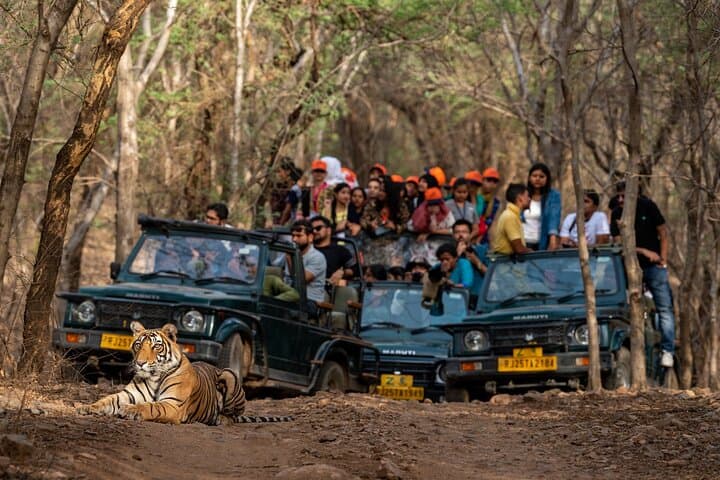
Head into Panna Tiger Reserve on a half-day jeep safari that follows dusty tracks, river gorges and open plateaus for tiger, sloth bear and leopard sightings. With guided routes into core zones, this trip balances landscape photography with focused wildlife watching.
Head into Panna Tiger Reserve on a half-day jeep safari that follows dusty tracks, river gorges and open plateaus for tiger, sloth bear and leopard sightings. With guided routes into core zones, this trip balances landscape photography with focused wildlife watching.
Early light spills across scrubby plateaus and the Ken River flashes like a fault line as a jeep rumbles toward the forest edge. You step from the village road onto sandy tracks where sal and teak give way to open grasslands; birds stutter and vanish, and the guide narrows his eyes along a game trail. The reserve feels alive and alert — every bend holds the possibility of a tiger slipping between rocks or a sloth bear moving with surprising purpose.
Verified experiences and guided adventures in the surrounding area.
Operated by Jee Tours · Panna, Madhya Pradesh
Early light spills across scrubby plateaus and the Ken River flashes like a fault line as a jeep rumbles toward the forest edge. You step from the village road onto sandy tracks where sal and teak give way to open grasslands; birds stutter and vanish, and the guide narrows his eyes along a game trail. The reserve feels alive and alert — every bend holds the possibility of a tiger slipping between rocks or a sloth bear moving with surprising purpose.
Panna sits on the Vindhya’s eastern flank, carved by the Ken River into gorges and waterfalls; its geology is granite and sandstone, cut into abrupt cliffs and wide river terraces. The area has a long human history — Panna district is known for historic diamond mines — and the park became a focal point of India’s tiger conservation efforts after notable local population declines and recoveries over recent decades.
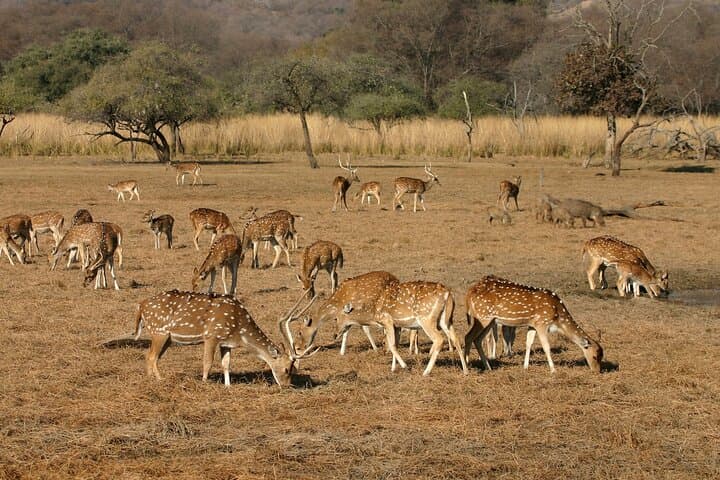
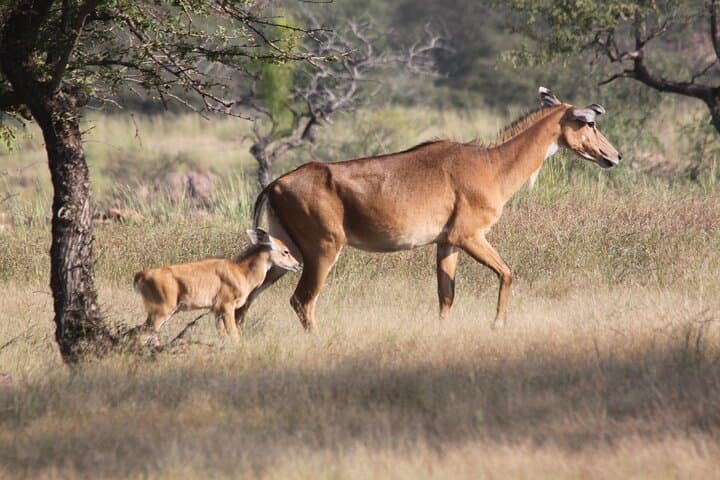
Practically, expect dry-deciduous terrain, dusty tracks, and elevation around 250–400 m. Safaris typically run in morning or afternoon shifts; morning light and cooler air improve chances for big-cat encounters, while late afternoons bring active herbivores to river edges. Sightings aren’t guaranteed, but a skilled guide, patience, and a quiet jeep increase odds.
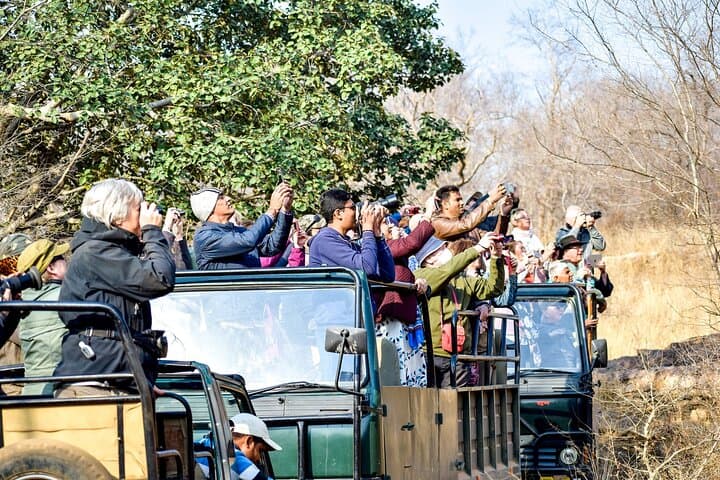
Bring binoculars, a telephoto lens, layered clothing, water, and respect for park rules — remain seated, keep noise low, and follow your guide. Plan pickups from Khajuraho or Panna, book permits in advance, and aim for the shoulder seasons when heat and insects are reduced. The ride is equal parts landscape and stakeout: a wildlife watch tempered by rugged central-Indian terrain and the real possibility that, at any moment, the forest will reveal something unforgettable.
moderate.
5–6 hours.
Moderate fitness: able to sit on bumpy jeep rides for several hours and walk short distances at entry points
No—tigers roam freely and sightings depend on animal movement, time of day, and luck; guides increase odds but cannot promise sightings.
Book online through the official park reservation system or authorized operators in advance, and confirm pickup times with your tour provider.
Neutral, low-contrast clothing in breathable fabrics; a light jacket for early mornings and sturdy closed-toe shoes.
Photography from the jeep is allowed; drones are strictly prohibited inside the reserve and can result in fines and confiscation.
Panna’s landscape has long been shaped by the Ken River and a history of diamond mining; the reserve was later designated to protect central-Indian dry-deciduous ecosystems and tigers.
The reserve is part of targeted tiger recovery and anti-poaching initiatives; visitors support conservation by following rules, avoiding plastics, and using authorized operators.
Jee Tours operates guided outdoor trips and adventures with an emphasis on safety, stewardship, and memorable experiences.
Early light spills across scrubby plateaus and the Ken River flashes like a fault line as a jeep rumbles toward the forest edge. You step from the village road onto sandy tracks where sal and teak give way to open grasslands; birds stutter and vanish, and the guide narrows his eyes along a game trail. The reserve feels alive and alert — every bend holds the possibility of a tiger slipping between rocks or a sloth bear moving with surprising purpose.
Early light spills across scrubby plateaus and the Ken River flashes like a fault line as a jeep rumbles toward the forest edge. You step from the village road onto sandy tracks where sal and teak give way to open grasslands; birds stutter and vanish, and the guide narrows his eyes along a game trail. The reserve feels alive and alert — every bend holds the possibility of a tiger slipping between rocks or a sloth bear moving with surprising purpose.
Panna sits on the Vindhya’s eastern flank, carved by the Ken River into gorges and waterfalls; its geology is granite and sandstone, cut into abrupt cliffs and wide river terraces. The area has a long human history — Panna district is known for historic diamond mines — and the park became a focal point of India’s tiger conservation efforts after notable local population declines and recoveries over recent decades.
Practically, expect dry-deciduous terrain, dusty tracks, and elevation around 250–400 m. Safaris typically run in morning or afternoon shifts; morning light and cooler air improve chances for big-cat encounters, while late afternoons bring active herbivores to river edges. Sightings aren’t guaranteed, but a skilled guide, patience, and a quiet jeep increase odds.
Bring binoculars, a telephoto lens, layered clothing, water, and respect for park rules — remain seated, keep noise low, and follow your guide. Plan pickups from Khajuraho or Panna, book permits in advance, and aim for the shoulder seasons when heat and insects are reduced. The ride is equal parts landscape and stakeout: a wildlife watch tempered by rugged central-Indian terrain and the real possibility that, at any moment, the forest will reveal something unforgettable.