THE ADVENTURE COLLECTIVE® · Independent discovery and booking for outdoor travel

See diamonds being handpicked from crushed ore, picnic beside a crater-formed pool, and visit Panna’s cutting workshops on this full-day tour from Khajuraho. Expect long drives, practical demonstrations, and a mix of geology and local culture.
See diamonds being handpicked from crushed ore, picnic beside a crater-formed pool, and visit Panna’s cutting workshops on this full-day tour from Khajuraho. Expect long drives, practical demonstrations, and a mix of geology and local culture.
A dust-silvered road unwinds from Khajuraho and, after about two hours, opens onto low hills where the earth keeps a quiet, valuable secret: Panna’s diamond belt. Visitors step down from the coach into a working landscape—screens clatter, sluices jostle ore, and concentrates are spread on a secure patch of ground while hands move with practiced patience to pick out stones that have spent millennia hidden beneath rock.
Verified experiences and guided adventures in the surrounding area.
Operated by City Tours India · Panna, Madhya Pradesh
A dust-silvered road unwinds from Khajuraho and, after about two hours, opens onto low hills where the earth keeps a quiet, valuable secret: Panna’s diamond belt. Visitors step down from the coach into a working landscape—screens clatter, sluices jostle ore, and concentrates are spread on a secure patch of ground while hands move with practiced patience to pick out stones that have spent millennia hidden beneath rock.
This is not a glamorized mine but a practical show of the Australian-influenced lamproite pipe method. Geology here is straightforward—olivine lamproite pipes hosting dispersed diamonds across an 80 km by 30 km belt—and local miners have adapted techniques to this terrain for decades. Cultural threads run nearby: Brihaspati Kund, a crater-like pool and small waterfall, carries folk memory and some Neolithic rock paintings; fairs and pilgrim visits keep the site alive with local rhythms.
Practicalities are direct. Expect a full 9–10 hour day with long drives, a guided demonstration at the mine, a packed vegetarian lunch at Brihaspati Kund, and time in Panna town to see cutting and identification techniques. Wear comfortable walking shoes, sun protection, and bring extra water and any personal meds—shade is limited at the mine and the Kund can be slippery after rain. Photography is usually allowed, but follow the guide near secure areas. The visit balances hands-on observation, natural scenery, and cultural context—a compact field lesson in how geology, industry, and village life intersect.
moderate.
9–10 hours.
Suitable for travelers in average physical condition; involves walking on uneven ground and a full day of travel.
The tour lasts about 9–10 hours from Khajuraho, including roughly two hours each way for driving, visits to the mine, Brihaspati Kund, and a stop in Panna town.
Guides demonstrate the processing flow and concentrate inspection; workers often show how tiny diamonds are handpicked, but guests should not handle secure samples unless guided.
A vegetarian packed lunch and drinking water are included; note dietary restrictions when booking so the operator can accommodate when possible.
The tour is generally family-friendly but involves walking on uneven ground; it’s not recommended for travelers with serious back, heart, or mobility limitations.
Panna’s diamond mining history dates to colonial surveys and modern exploitation of olivine lamproite pipes; small-scale and larger operations have coexisted across the district.
Visitors should minimize disturbance to processing sites and avoid littering at Brihaspati Kund; responsible tourism helps protect both archaeological markings and local water sources.
City Tours India operates guided outdoor trips and adventures with an emphasis on safety, stewardship, and memorable experiences.
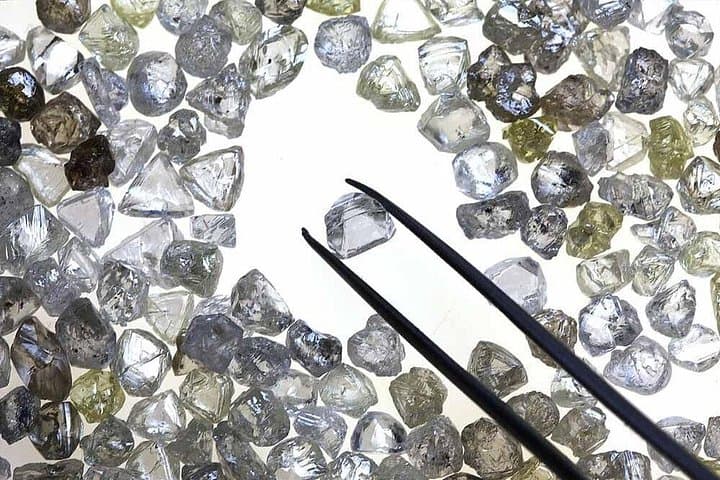
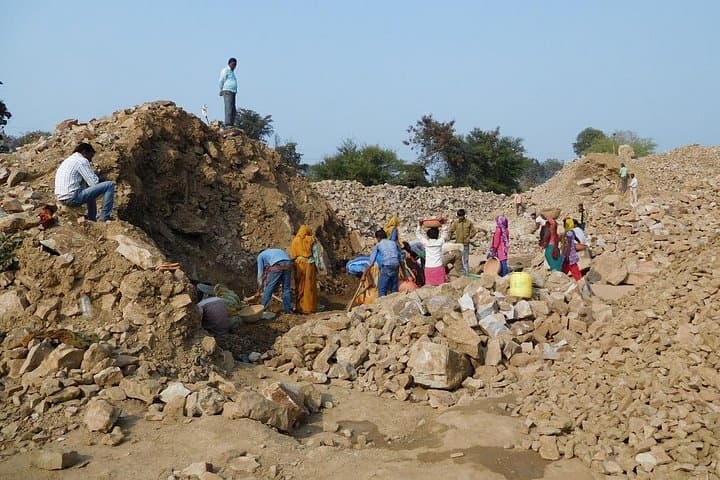
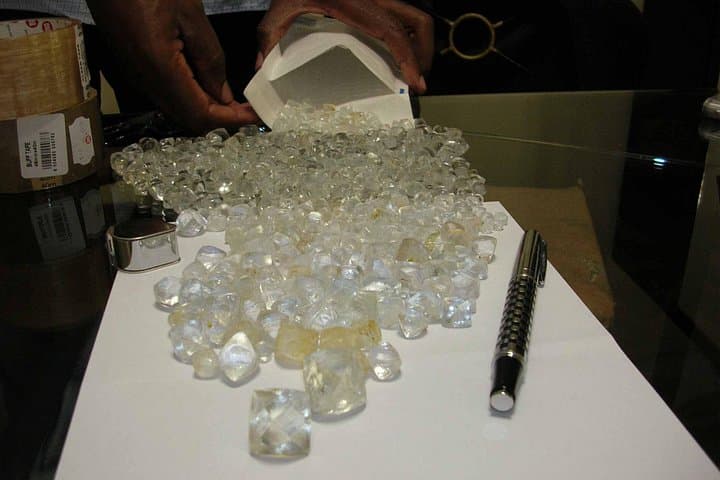
A dust-silvered road unwinds from Khajuraho and, after about two hours, opens onto low hills where the earth keeps a quiet, valuable secret: Panna’s diamond belt. Visitors step down from the coach into a working landscape—screens clatter, sluices jostle ore, and concentrates are spread on a secure patch of ground while hands move with practiced patience to pick out stones that have spent millennia hidden beneath rock.
A dust-silvered road unwinds from Khajuraho and, after about two hours, opens onto low hills where the earth keeps a quiet, valuable secret: Panna’s diamond belt. Visitors step down from the coach into a working landscape—screens clatter, sluices jostle ore, and concentrates are spread on a secure patch of ground while hands move with practiced patience to pick out stones that have spent millennia hidden beneath rock.
This is not a glamorized mine but a practical show of the Australian-influenced lamproite pipe method. Geology here is straightforward—olivine lamproite pipes hosting dispersed diamonds across an 80 km by 30 km belt—and local miners have adapted techniques to this terrain for decades. Cultural threads run nearby: Brihaspati Kund, a crater-like pool and small waterfall, carries folk memory and some Neolithic rock paintings; fairs and pilgrim visits keep the site alive with local rhythms.
Practicalities are direct. Expect a full 9–10 hour day with long drives, a guided demonstration at the mine, a packed vegetarian lunch at Brihaspati Kund, and time in Panna town to see cutting and identification techniques. Wear comfortable walking shoes, sun protection, and bring extra water and any personal meds—shade is limited at the mine and the Kund can be slippery after rain. Photography is usually allowed, but follow the guide near secure areas. The visit balances hands-on observation, natural scenery, and cultural context—a compact field lesson in how geology, industry, and village life intersect.