THE ADVENTURE COLLECTIVE® · Independent discovery and booking for outdoor travel

Explore Panga ya Saidi just outside Kilifi—a rarely opened limestone cave where archaeology reveals a 78,000-year-old child burial. This intimate, two-hour guided tour combines geology, Mijikenda cultural history and on-site excavation insights with strict limits to protect the fragile site.
Explore Panga ya Saidi just outside Kilifi—a rarely opened limestone cave where archaeology reveals a 78,000-year-old child burial. This intimate, two-hour guided tour combines geology, Mijikenda cultural history and on-site excavation insights with strict limits to protect the fragile site.
You step off the coastal road into Msitu wa Ndoto and the air changes—humid, shaded, threaded with the scent of leaf litter and limestone. A narrow path leads to an open cave mouth where light pools on ancient stone; inside, the ground settles underfoot and the guide's voice lowers as if the cave itself is listening.
Verified experiences and guided adventures in the surrounding area.
Operated by Msitu wa Ndoto · Kilifi, Kilifi County
You step off the coastal road into Msitu wa Ndoto and the air changes—humid, shaded, threaded with the scent of leaf litter and limestone. A narrow path leads to an open cave mouth where light pools on ancient stone; inside, the ground settles underfoot and the guide's voice lowers as if the cave itself is listening.
Panga ya Saidi is one of Kenya's most important prehistoric sites: limestone chambers with archaeological layers dating back roughly 78,000 years, including the burial of a young child locally called 'Mbitsi.' The cave's geology—karstic limestone carved by rainwater—preserves compacted sediments, artifacts and beads that chronicle Stone Age life on the East African coast. Local Mijikenda traditions and more recent histories intersect here too; the cave provided refuge in tumultuous times and remains culturally significant to descendant communities who act as guides and guardians.
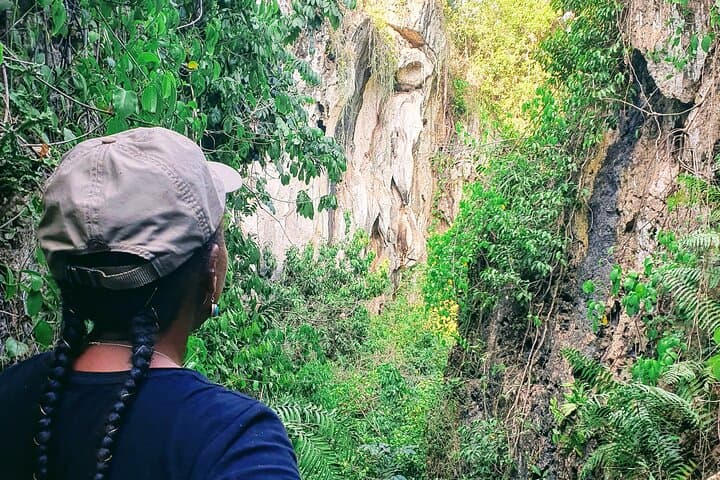
The experience balances quiet reflection and hands-on learning: guides point out excavation sections, show recovered tool types, and explain stratigraphy in plain terms. Biodiversity is tangible—endemic plants and small forest animals occupy the cave margins—and the operator limits groups to preserve the site.
Practicalities: tours run about two hours, require moderate fitness, and include short crawls (about 1.5 m) to reach inner chambers. Wear solid, grippy shoes and clothing you can move in; avoid perfumes to protect delicate flora. Book early—only two tours daily and a 15-person cap—and plan around Kenya's coastal rainy seasons to maximize accessibility.
moderate.
2 hours.
Moderate fitness and mobility required; able to crouch/crawl briefly and walk uneven terrain.
The guided visit lasts about two hours including time inside the cave and interpretive stops.
Not recommended for children under 8 due to tight crawl sections and fragile surroundings.
Travelers should have moderate fitness; short, low crouches and brief crawling are required to access some chambers.
Photography is generally allowed but avoid touching excavation areas or artifacts; follow guide instructions to protect the site.
Panga ya Saidi preserves stratified archaeological deposits spanning tens of thousands of years and includes human burials and artifacts that inform the region's Stone Age occupation.
Access is tightly limited to protect fragile sediments, endemic plants and ongoing research; follow Leave No Trace practices and respect local guardianship.
Msitu wa Ndoto operates guided outdoor trips and adventures with an emphasis on safety, stewardship, and memorable experiences.
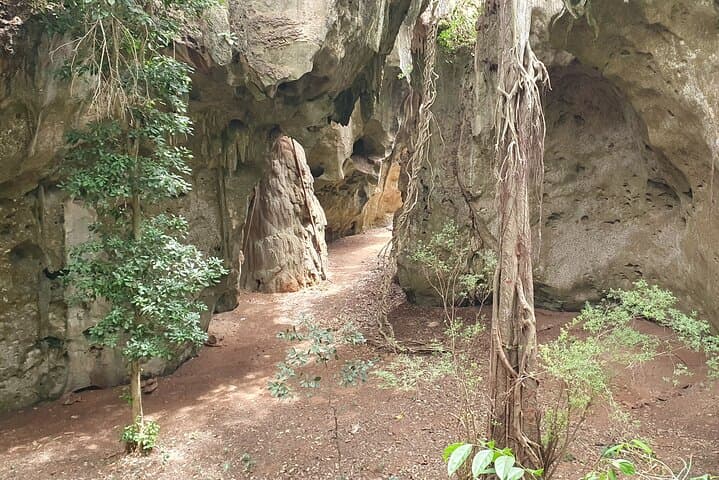
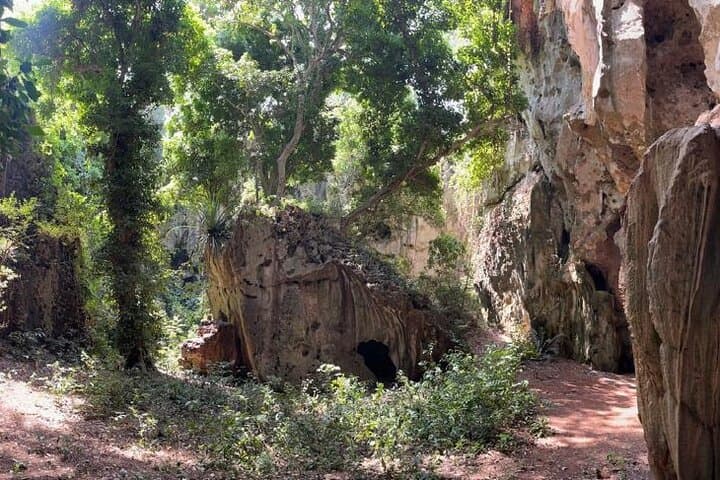
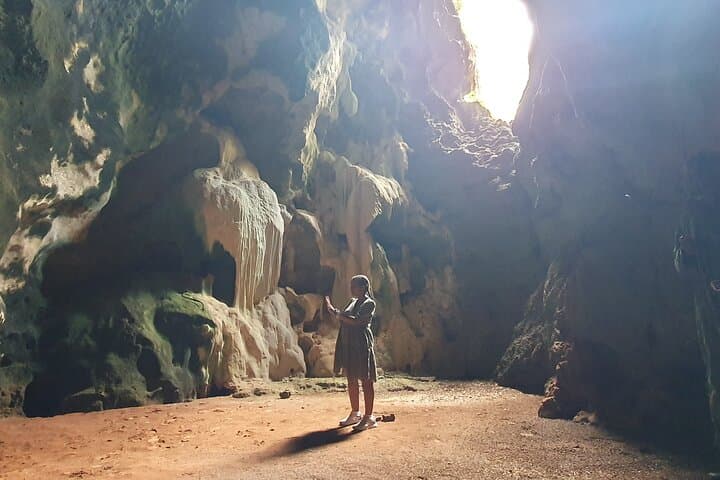
You step off the coastal road into Msitu wa Ndoto and the air changes—humid, shaded, threaded with the scent of leaf litter and limestone. A narrow path leads to an open cave mouth where light pools on ancient stone; inside, the ground settles underfoot and the guide's voice lowers as if the cave itself is listening.
You step off the coastal road into Msitu wa Ndoto and the air changes—humid, shaded, threaded with the scent of leaf litter and limestone. A narrow path leads to an open cave mouth where light pools on ancient stone; inside, the ground settles underfoot and the guide's voice lowers as if the cave itself is listening.
Panga ya Saidi is one of Kenya's most important prehistoric sites: limestone chambers with archaeological layers dating back roughly 78,000 years, including the burial of a young child locally called 'Mbitsi.' The cave's geology—karstic limestone carved by rainwater—preserves compacted sediments, artifacts and beads that chronicle Stone Age life on the East African coast. Local Mijikenda traditions and more recent histories intersect here too; the cave provided refuge in tumultuous times and remains culturally significant to descendant communities who act as guides and guardians.
The experience balances quiet reflection and hands-on learning: guides point out excavation sections, show recovered tool types, and explain stratigraphy in plain terms. Biodiversity is tangible—endemic plants and small forest animals occupy the cave margins—and the operator limits groups to preserve the site.
Practicalities: tours run about two hours, require moderate fitness, and include short crawls (about 1.5 m) to reach inner chambers. Wear solid, grippy shoes and clothing you can move in; avoid perfumes to protect delicate flora. Book early—only two tours daily and a 15-person cap—and plan around Kenya's coastal rainy seasons to maximize accessibility.